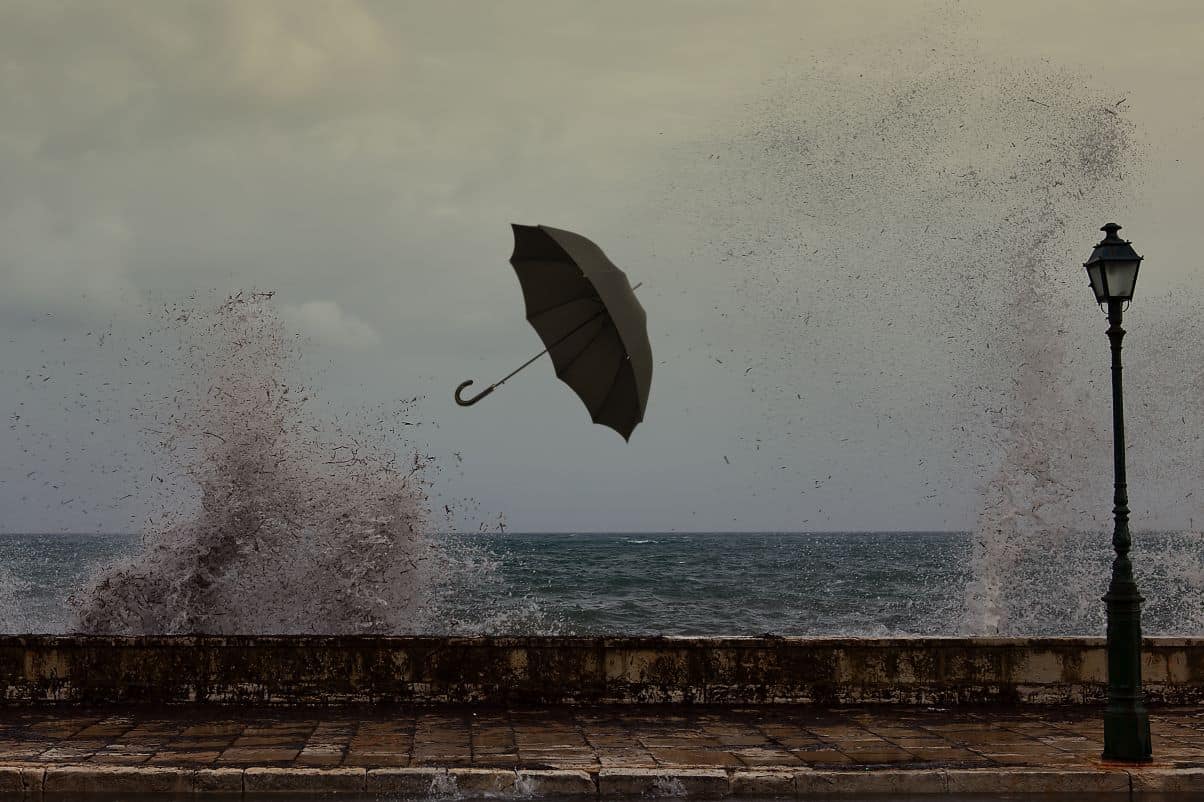
Storm Amy is set to batter Cumbria this weekend.
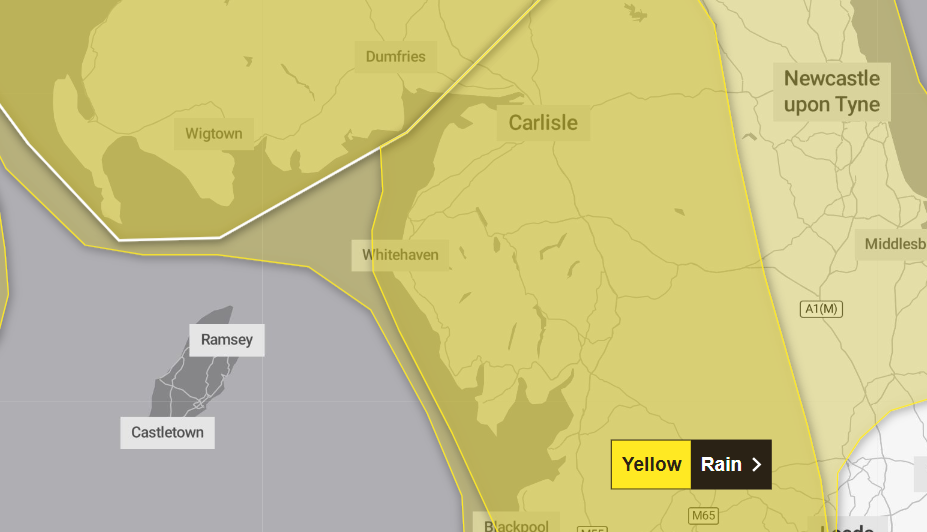
The Met Office has issued yellow weather warnings for very strong winds from 3pm on Friday October 3 until midnight on Saturday as well as heavy rain from 3pm Friday until midnight.
It said the storm is expected to develop rapidly as it approaches the UK on Friday, and will bring very strong winds and heavy rain to northern and western areas.
The weather forecaster said gusts of up to 60mph are likely for many areas and may reach up to 70mph in some places for a time, while exposed coasts and hills will see the highest gusts, which could exceed 80mph.
The strong winds will also be accompanied by spells of heavy rain, which it said is likely to lead to travel disruption and some flooding.
Driving conditions across the country are also expected to be difficult for high sided vehicles on prone routes such as cross winds or on exposed high level routes.
The winds will ease for most areas on Saturday afternoon but will continue to be very strong for the Northern Isles and parts of the far north of Scotland through to the end of the day before slowly easing overnight.
Heavy rain will arrive from the west on Friday afternoon, and continue into the evening, with the potential for a short period of very heavy rainfall in the evening.
During this time 10 to 20mm of rain will fall widely, with 40 to 70mm over areas of high ground exposed to the southwesterly winds. Around 15 to 20mm could fall within one hour in some places.
Drier conditions will follow in the early hours of Saturday, although a few short-lived heavy showers will remain in parts.
Storm Amy is the first named storm of the 2025/26 season and the Met Office said its evolution is being closely monitored.
It added that the storm’s development is being influenced by the remnants of Hurricanes Humberto and Imelda over the tropical Atlantic.
The forecaster said these systems have accelerated the jet stream, contributing to the formation and intensification of Storm Amy.
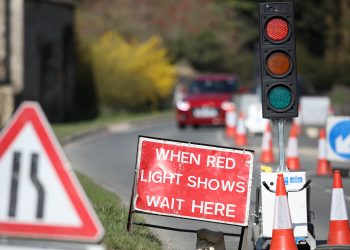
Westmorland and Furness’ highways teams are preparing for potential wind-blown trees and other debris which may affect roads across the authority.
Highways emergencies that require immediate attention such as fallen trees or flooding can be reported via the Highways Hotline on 0300 373 3306.
For less serious issues, a highways online reporting form found here for Westmorland and Furness.
What should I expect?
- Some damage to buildings, such as tiles blown from roofs, could happen
- Power cuts may occur, with the potential to affect other services, such as mobile phone coverage
- Injuries and danger to life from flying debris are possible
- Injuries and danger to life could occur from large waves and beach material being thrown onto sea fronts, coastal roads and properties
- Some roads and bridges may close
- Road, rail, air and ferry services may be affected, with longer journey times and cancellations possible
- Bus and train services probably affected with journey times taking longer
- Spray and flooding on roads probably making journey times longer
- Flooding of a few homes and businesses is likely
- Some interruption to power supplies and other services likely
Why should I care about weather warnings?
Weather warnings are issued to let people know what weather is in store for their area and what its impact could be.The Met Office is the UK’s official weather service and is responsible for issuing weather warnings to the public.
There are three main levels of weather warning:
- Yellow – which asks people to be prepared for disruption
- Amber – which asks people to change plans that could be impacted by the weather and take action to protect themselves and their property
- Red – which is issued for weather that poses a danger to life and asks people to immediately take direct action to keep themselves and others safe from impacts of the weather
Yellow and amber warnings represent a range of impact levels and likelihoods. This means it is important to read each warning to know what level of impact to expect in your local area – and how likely those impacts are to occur.
The Met Office began issuing impact-based warnings in 2011 – which means that warnings are issued when the weather may have an impact on people’s day to day lives.
Previous to this, warnings were issued to the public when certain weather thresholds or levels were reached.
Impact-based warnings take multiple factors into account – these include time of day, if it may impact traffic, time of year, if the weather is unusual, if there are any seasonal events taking place and if the area is well equipped to deal with the weather.
Each warning level is designed to help people take steps to minimise the chances of disruption in their lives.
Why do the Met Office name storms in the UK now?
The Met Office started naming storms in 2015 as part of its storm naming protocol, which aims to improve public awareness and readiness for impactful weather.
Storms are named in the UK when it has the potential to cause disruption or damage which could result in an amber or red warning.
The naming is combined with the Met Office’s severe weather warning service, which combines the impact the weather may have and the likelihood of that impact occurring.
Storms are usually named on the basis of the impact from strong winds, but other weather types like rain or snow, are considered, as they can lead to flooding.
The Met Office complies a list of storm names from public suggestions and from Met Éireann and KNMI. It chooses some of the more popular names and names that reflect the diversity of the UK, Ireland and the Netherlands.
choosing some of the more popular names and names that reflect the diversity of the UK, Ireland and the Netherlands.