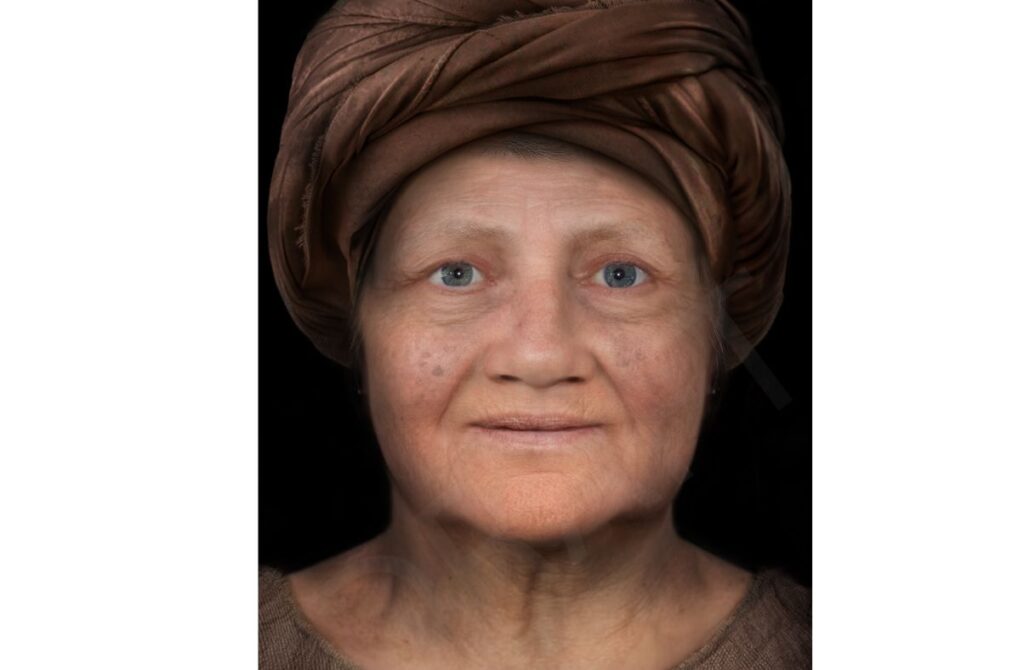
A full-length image of a 12th century woman, whose remains were found in Kendal, will be unveiled for the first time later this month.
Dubbed Kendal Woman, the reconstruction is based on the remains discovered by archaeologists during construction of the town’s new flood defences at a presentation, Kendal’s Journey Through Time on Tuesday November 25.
The event at Holy Trinity Kendal Parish Church will include a presentation by Wardell Armstrong archaeologist on the significant finds from the Kendal Flood Risk Management Scheme, followed by a special naming ceremony where the reconstruction will be revealed and her chosen name announced following a public vote.
The remains were discovered during construction of the Kendal and Upper Kent Catchment Flood Risk Management scheme, which when complete will better protect over 1,920 homes and 2,250 businesses from the impacts of flooding.
A total of 15 articulated skeletons were lifted off site during construction of the flood defences around the parish church.
The work also revealed the remains of a further 13 individuals at the site.
Because the bodies were beneath the churchyard wall for centuries, most of the skeletons had been crushed.
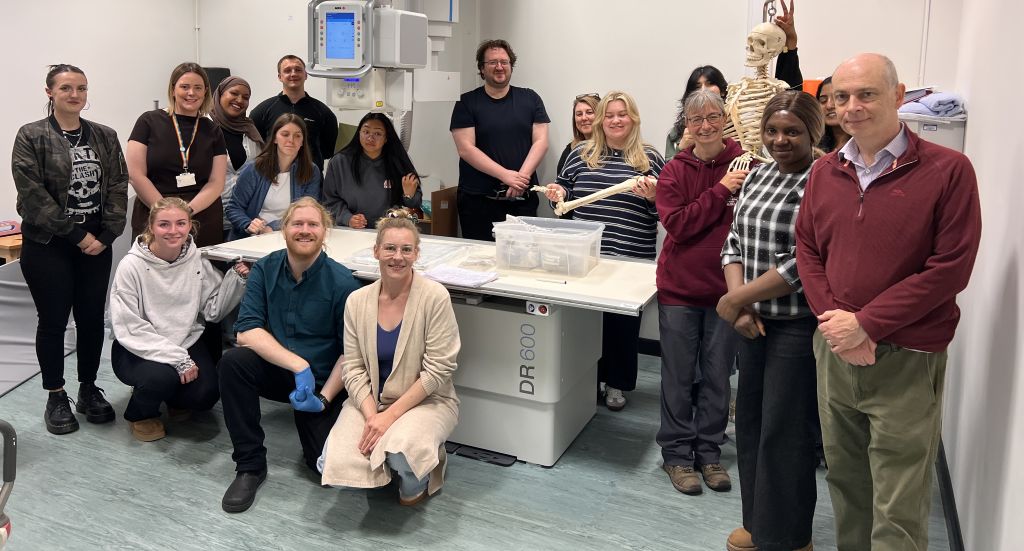
However, one woman’s skull survived in good enough condition for scientists at Liverpool John Moores University’s forensic arts unit to rebuild it and, using computer technology, reconstruct an image of what she looked like.
While her real name will never be known, her teeth and bones can tell part of her story.
The Kendal Woman was roughly 50 years of age. Ancient DNA extracted from her bones, and isotope analysis of her teeth suggest she had been born and probably spent her whole life living inland.
Archaeologists believe it was likely that she was born in or around Kirkby in Kendal – Kendal’s name in the 1200s – and spent most, if not all, of her life in and around the town. She could have relatives still living in the area.
Senior archaeologist at the Environment Agency Stephen Dean said: “The findings have provided evidence that there has been a settlement on this site prior to the existing parish church built in 1232 AD.
“This is significant as it has been argued by historians that a settlement did exist earlier but has never been proven until now.
“This event is an opportunity for the people of Kendal to discover more about their history, and about the discoveries we made during the dig at the parish church, from one of the archaeologists involved.”
The presentation takes place at Holy Trinity Kendal Parish Church on Tuesday November 25, starting at 6.30pm.