Pupils at a Cumbrian school are set to benefit from unique teaching based on their local landscape.
Dallam School in Milnthorpe is working with Lancaster University to develop the geography curriculum to connect it to Morecambe Bay.
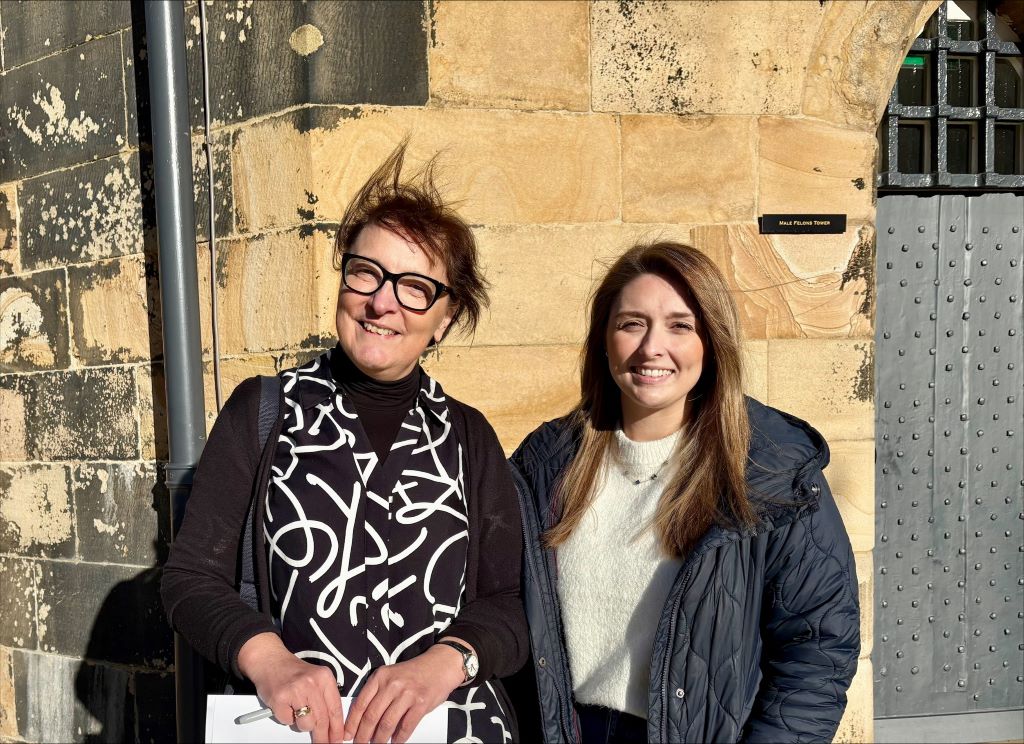
Its geography teacher Becky Shanley is one of eight lead teachers chosen across the region and is working with Dr Suzana Ilic, a leading oceanographer at Lancaster University.
The Morecambe Bay Curriculum partnership is funded by Lancaster University and Our Future Coast.
Ms Shanley will focus on helping young people explore coastal landscapes, sustainability, and the impact of climate change using Morecambe Bay, which is the UK’s largest expanse of intertidal mudflats and sand.
Until May, Ms Shanley will work alongside Dr Ilic and university researchers to co-create engaging resources that bring classroom learning to life.
Together, they will design practical, place-based activities that help students understand complex coastal processes, erosion, tides, and human interaction with the environment.
The university’s team said: “We had an overwhelming response to this initiative. Becky Shanley’s application showed experience, enthusiasm and drive to ensure young people have high-quality education in sustainability, their locality and in forming a response to the climate crisis.”
Ms Shanley said: “Morecambe Bay offers so many fascinating geographical landforms and processes, yet many young people living nearby rarely get the chance to explore it.
“I’m passionate about creating resources that make geography real – where students can study the effects of tides, currents and coastal change using a landscape on their own doorstep.
“Working with Dr Ilic and Lancaster University is an incredible opportunity to develop learning materials that connect curriculum to community and inspire environmental responsibility.”
The completed resources will be shared with schools across the region as part of the Morecambe Bay Curriculum, helping raise awareness of this unique environment and supporting pupils in developing skills, curiosity and climate literacy.