
Seven health research projects – backed by a £1.2m award – are set to be launched in Cumbria.
Pears Cumbria School of Medicine Research Hub, based within the University of Cumbria’s Institute of Health, and in partnership with North Cumbria Integrated Care NHS Foundation Trust, is driving forward innovation in healthcare.
The projects, led by University of Cumbria researchers and health trust staff, are tackling some of Cumbria’s most pressing healthcare challenges.
The two-year projects have been awarded £1.2m by the NIHR Imperial Biomedical Research Centre.
Their aim is to generate new evidence, improve care pathways, and lay the foundations for future research funding.
Alongside the initiatives, our new research-training fellowships are building capacity and nurturing the next generation of clinical researchers – helping Cumbria remain at the forefront of health innovation.
The first funded projects are due to be launched next month.
They include:
- A research project exploring whether exercise-based interventions prior to major cancer surgery can improve outcomes – especially for patients from remote and coastal communities where access to care can be challenging.
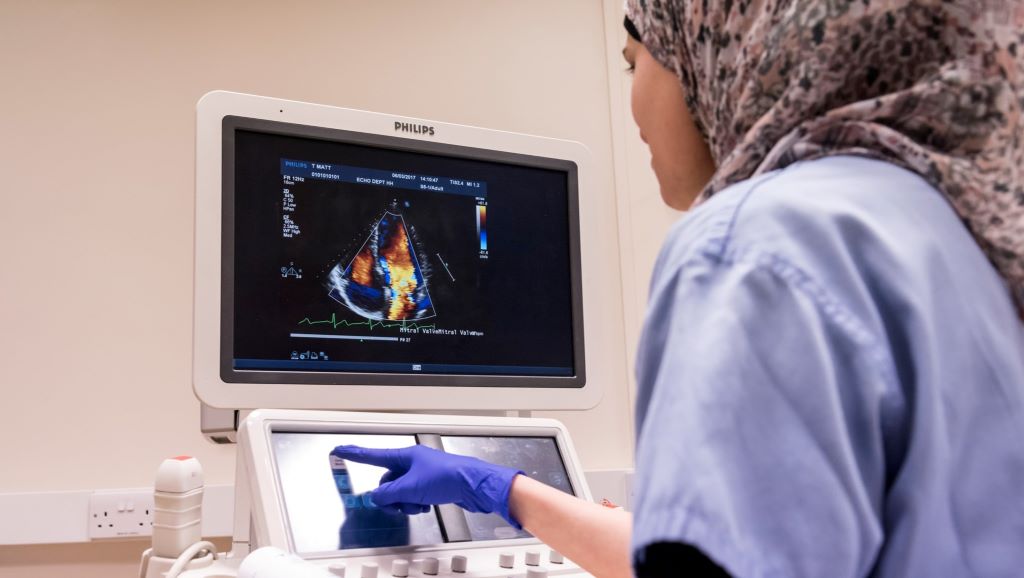
- An investigation into potential under-diagnosis of heart failure in older populations – a feasibility study to assess screening among those of 65 years and above in Cumbria.
- A youth-led co-research project enabling young people across Cumbria to help shape future healthcare services.
- Other studies include research into rural cancer inequalities, maternity care and maternal health inequalities, improved surgical planning through 3D-printed anatomy models, and evaluation of radiotherapy planning in urological care.
The PCSM Research Hub has also awarded a range of fellowships (MRes, Pre-Doctoral and PhD) to health professionals in Cumbria in order to support research capacity at the University of Cumbria and the health trust while fellows continue NHS practice.
Professor Jonathan Weber CBE, co-director of the PCSM Research Hub, said: “This initiative will bring world-class health research directly to the communities we serve.
“By supporting collaborative projects between the university and the NHS, we are bridging the gap between academic discovery and public benefit – ensuring that the research we do is shaped by and responds to the needs of patients and other members of the public in Cumbria.”
Professor Karen Stansfield, Dean, Institute of Health, University of Cumbria, added: “Our partnership with NCIC is critical to building the pipeline of well-trained clinical staff and other health researchers who are the future of high-quality care in the NHS in Cumbria.”