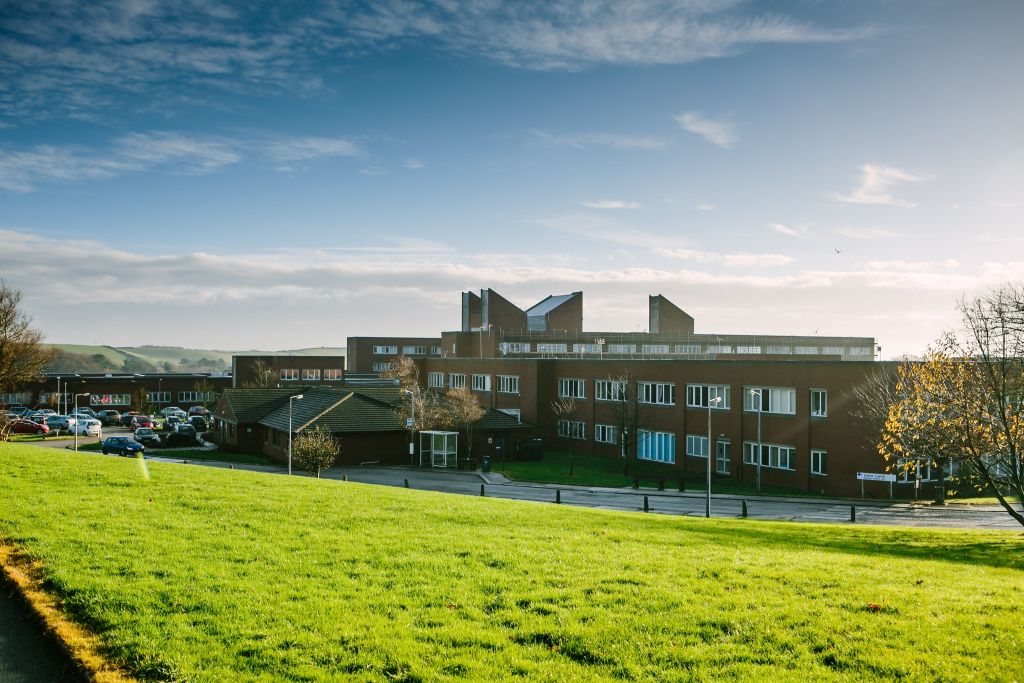
Government officials will investigate concerns over plans to remove high-level critical care from a South Cumbrian hospital.
In July last year, health bosses said Level 3 intensive care would not return to Furness General Hospital in Barrow.
It had been suspended since September 2024 due to recruitment issues.
The plan caused outrage and 13,000 people signed a petition against the move.
Barrow and Furness MP Michelle Scrogham urged the Lancashire and South Cumbria Integrated Care Board, which commissions NHS services, to pause their decision in August.
Members of Westmorland & Furness Council’s Health and Adults Scrutiny Committee said the move should go out to a full public consultation.
The board, which said a full consultation was a complex and regulated process, held a series of public engagement sessions in October.
Today, Mrs Scrogham said she had received a letter from the Minister of State for Health Karin Smyth.
Ms Smyth said she had asked her officials to look into the issues that have been raised and to provide advice to the Secretary of State Wes Streeting on whether he should use powers to call in the proposal by Lancashire and South Cumbria Integrated Care Board.
Mrs Scrogham raised concerns including:
- the safety implications for an isolated patient population,
- the long‑term sustainability of Furness General Hospital, and
- the potential impact on the UK’s defence nuclear enterprise.
A decision about calling in the proposal will be informed by whether the change meets at least one of the following criteria:
- There are concerns with the process that has been followed by the NHS commissioning body or NHS provider, or
- A decision has been made and there are concerns that a proposal is not in the best interests of the health service in the area.
Ministers may consider whether the reconfiguration proposal was considered to be substantial, as well as looking at the regional or national significance of an NHS service reconfiguration and the impact on the quality, safety or effectiveness of services.
Mrs Scrogham said: “I would like to thank the minister for confirming that the Department for Health and Social Care will be looking at whether this decision should be called in.
“I have been clear that removing Level 3 critical care from Furness General Hospital raises serious questions about patient safety, the resilience of our local NHS, and the wider national implications for the defence sector. I welcome the Department’s decision to examine these concerns in detail.”
What does the plan mean for Furness General Hospital mean?
Level 3 intensive care was suspended at the hospital in September due to issues with recruiting qualified and experienced staff. It had only three permanent consultants in post against a national guidance requirement of eight.
The three levels of adult intensive care are defined by the intensity of organ support and monitoring required.
Level 1 is for patients at risk of their condition deteriorating, requiring additional support and monitoring on a regular ward.
Level 2, also known as high dependency, provides support for a single failing organ system or post-operative care.
Level 3, the most intensive level, involves support for two or more failing organ systems, including mechanical ventilation
While the temporary change has been in place, patients who require Level 3 critical care were transferred to Royal Lancaster Infirmary, once stabilised.
Patients who needed levels 1 and 2 critical care continued to be treated and cared for at the hospital in Barrow.
In July, Lancashire and South Cumbria Integrated Care Board said since the suspension of Level 3 at the hospital, there had been 30 patients over a six-month period who have been transferred to a different provider, 10 of whom would have been transferred even if there had been a Level 3 unit at Furness General Hospital due to their clinical needs, and there had been no adverse outcomes.
The board asked the Clinical Senate to carry out an independent review to advise on the safety and sustainability of the service going forward – taking into account the recruitment efforts since the temporary change was made.
Experts within the Lancashire and South Cumbria Critical Care Network were also asked to ensure the work done to date meets the national safety standards required.
Following the publication of this review, the board decided that the preferred option is to make this temporary suspension permanent.