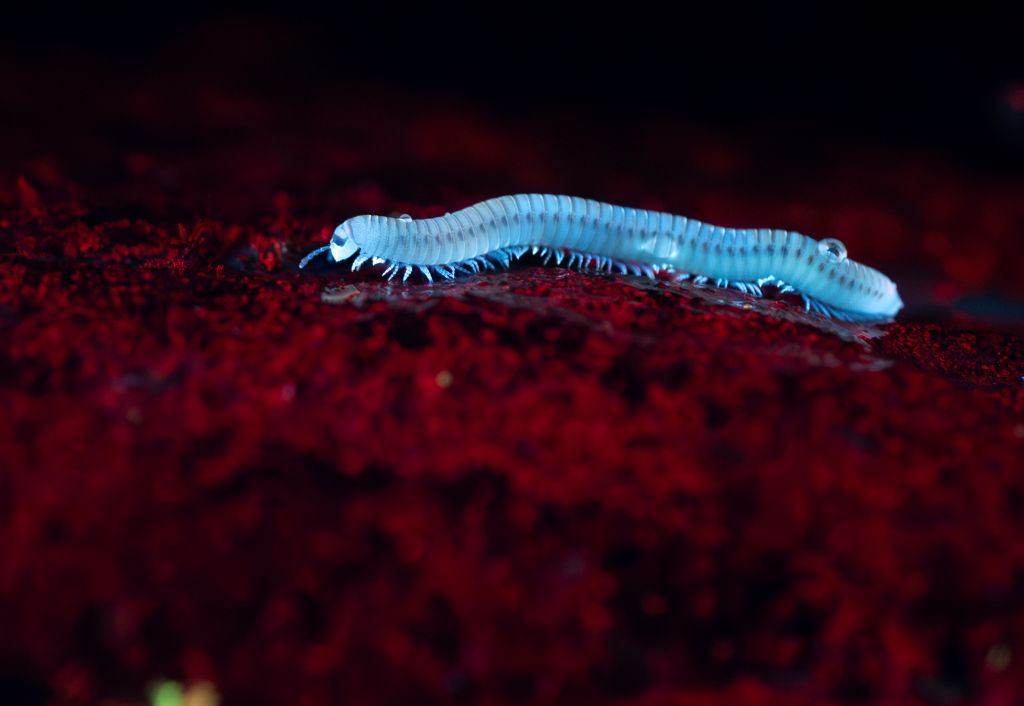
Hidden beneath the Lake District’s usual rolling green hills and moss covered forests sits a world of vibrant neon colour.
It might look like something straight from science fiction, but biofluorescence is a real natural light phenomenon, that can be found in all kinds organisms including animals, plants and flowers all across Cumbria.
Revealing this hidden world is naturalist David Atthowe, 36, of Norfolk, who has been running special guided night walks to help people see these colours – with the help of UV light – in Cumbria for the past two years.
Biofluorescence is the absorption of light by living organisms that reemit it as a glowing neon display of colour, while it isn’t visible to the naked eye, humans can see it with the help of UV light.
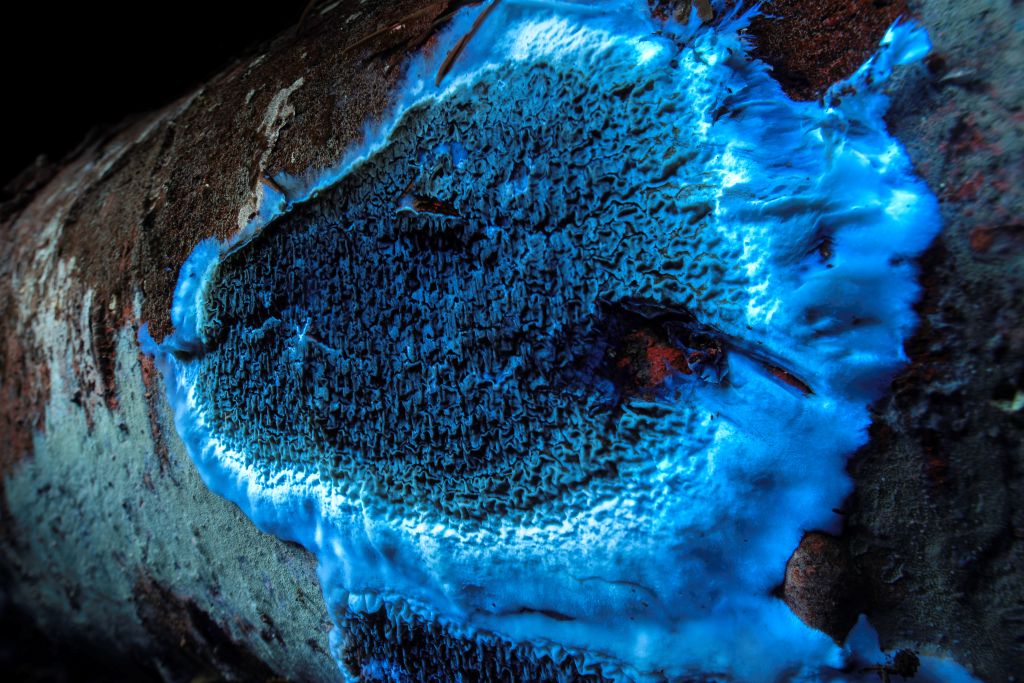
It is not to be confused with bioluminescence, which is when an organism emits its own light. But luminous marine plankton were spotted in St Bees in 2024.
David said: “You shine one wavelength of light on a subject and it re-emits back in a different wavelength, usually in response to UV light, in these different colours we don’t normally see.
“But essentially, it’s like a parallel dimension.”
David holds organised walks to see biofluorescence across the UK at different locations of interest and in Cumbria, his main point of interest is the temperate rainforest.
The temperate rainforest is one of the world’s rarest habitats and Cumbria is home to a handful of these rainforests, which can be found in places including Borrowdale and Haweswater.
David said that the temperate rainforest is one of the most colourful habitats in the world for biofluorescence.
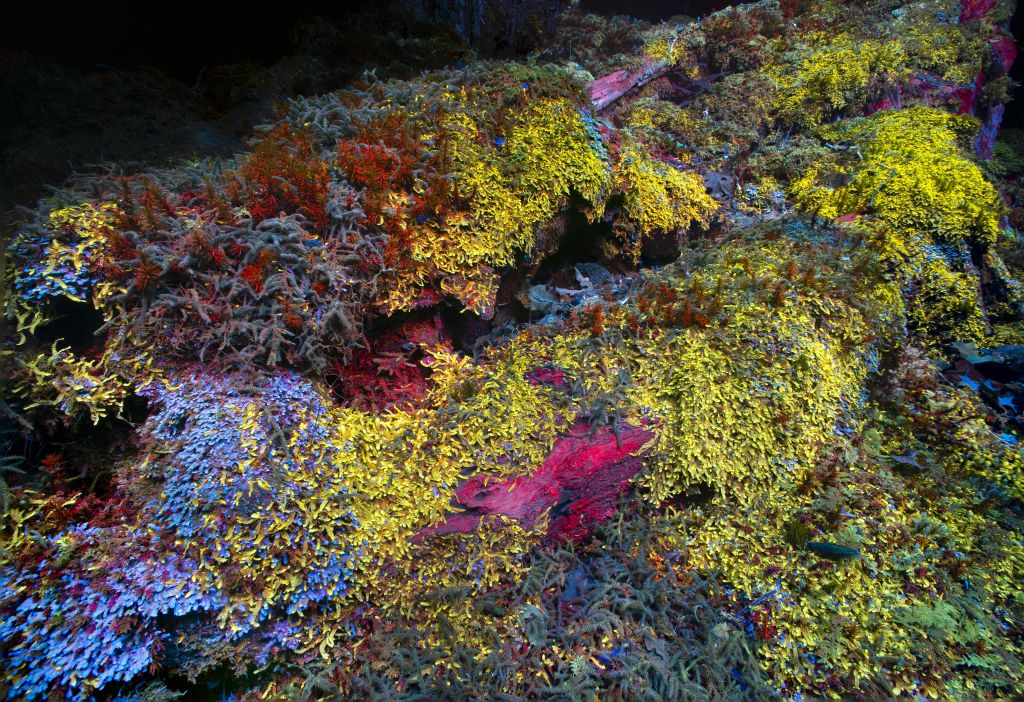
He added: “It has incredible diversity and richness of colour, if we’re talking about the world of James Cameron’s Avatar, the temperate rainforest and the cloud forest in the Tropics are the two worlds that are closest.
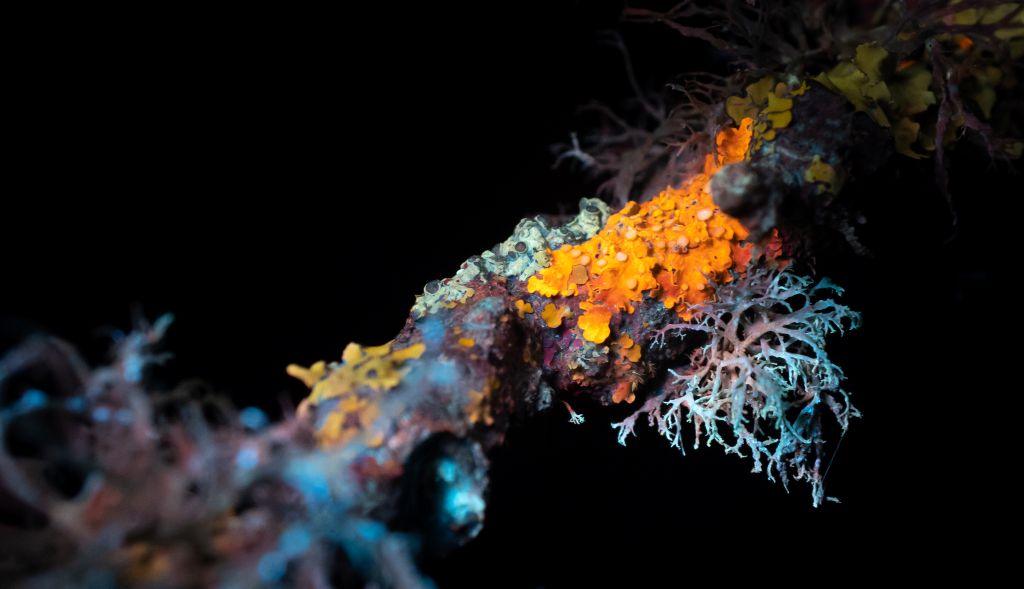
“There are some very beautiful blue fluorescent lichens in Haweswater amongst other things like liverworts which are ancient plants and they really bring the colour.
“The rainforest is a really special place and that’s what really draws me in. Most people maybe aren’t aware of it in the UK, but it’s globally rare and threatened and we’ve got some really precious bits in the UK.
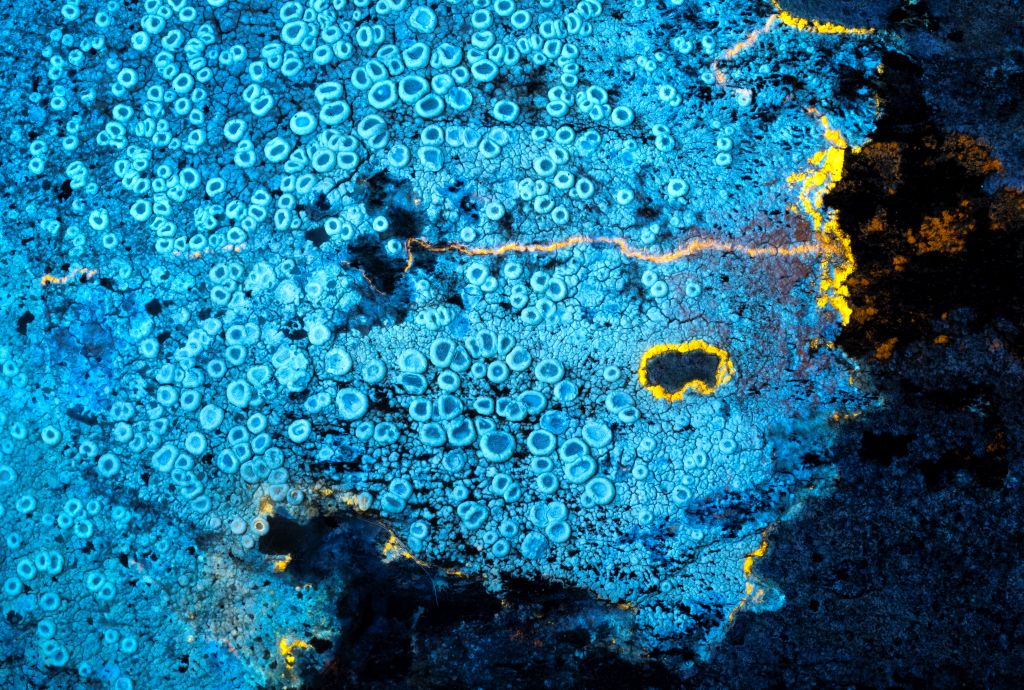
“There are species of plants, lichens and fungi that are unique to those areas and it’s beautiful and green in the daytime, but under UV light, it becomes really special.
“I would put it up there with the Great Barrier Reef and the Amazon Rainforest to give you an idea of the level of beauty.”
Scientists are still learning about biofluorescence and little is known about its function in the natural world.
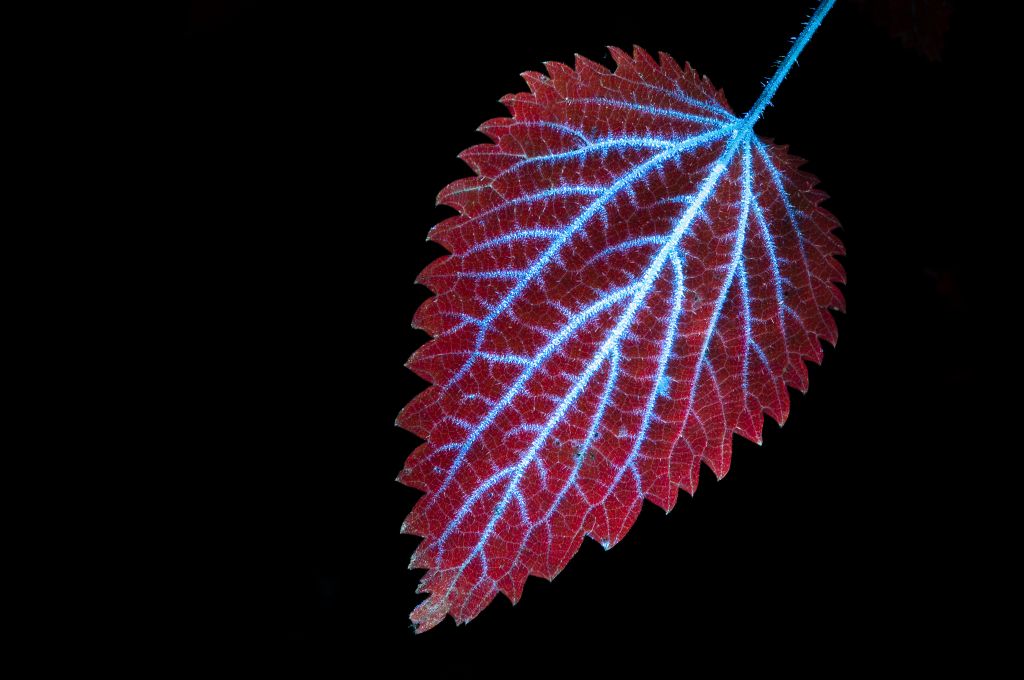
It is believed to mostly be a by-product of an organisms internal chemistry – so if a plant or animal is unwell in some way, it may glow a different colour under UV light.
While humans cannot see biofluorescence without the help of a UV torch, some animals can see it, and researchers have suggested it may be a tool for visual communication amongst organisms.
David said there are all kinds of everyday animals, insects, fungi, plants and flowers that glow under UV light in Cumbria.
David also hosts night walks at John Ruskin’s former home Brantwood and added that private gardens can also be great sources of the phenomenon, thanks to their array of different flowers.
He said: “People always get excited over a hedgehog, they glow bright pink. But they can be anywhere from bright pink to blue, it depends on then hedgehog and their lifestyle.
“Lots of furry animals will glow too, the white parts of a badger are blue and there are some species of deer that are blue too.
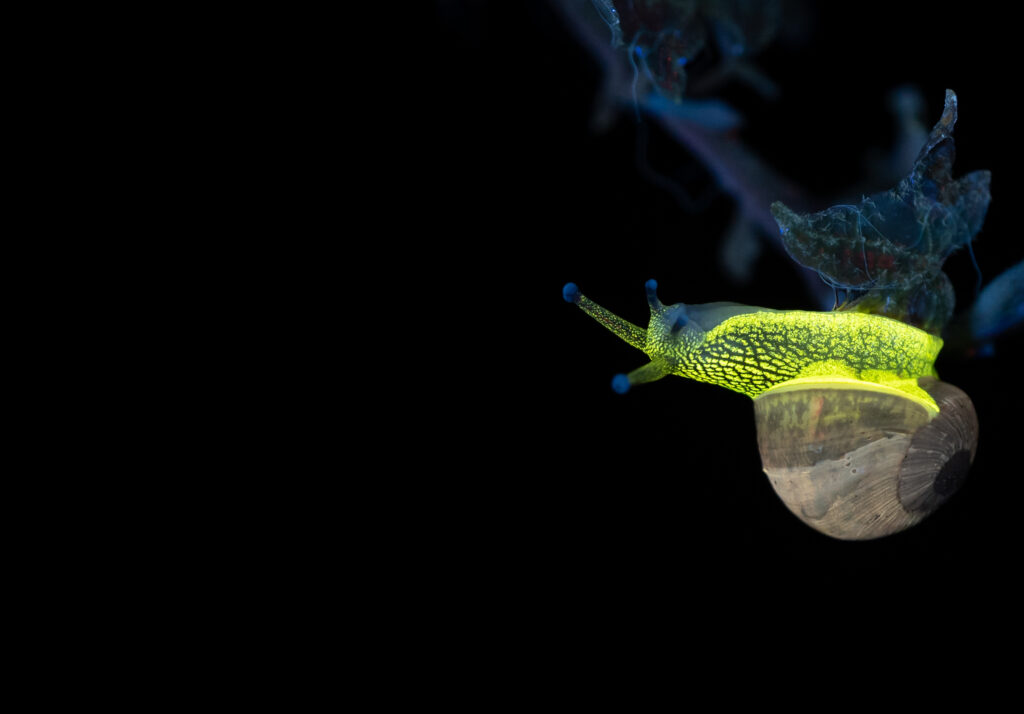
“Woodlice are bright blue and common garden snails are super yellow and there is a whole bunch of slugs and caterpillars that glow in Cumbria as well.
“Stinging nettles will glow four different colours depending on the health of the plant and in the autumn there is loads of fungi as well.
“All of which have stories and tell us information about the world we don’t normally see.
“But I think what is nice is that it’s not necessarily found in something specific or rare, it’s actually just what is around us everyday.”
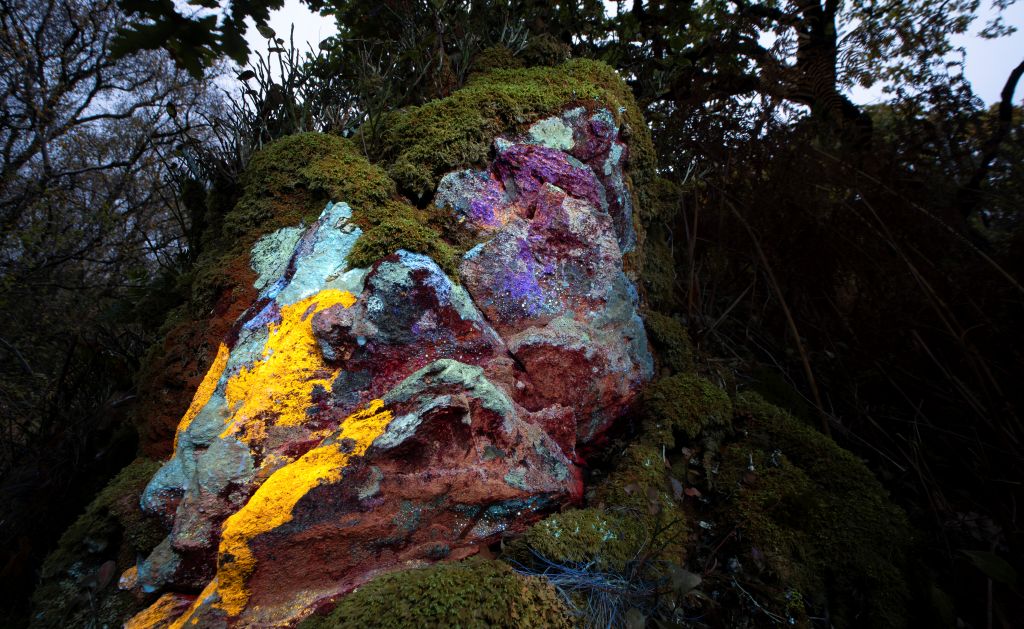
David added that in Cumbria, one of the most striking displays of biofluorescence can be found in one of our most common Lake District farmland features.
He said: “It’s quite specific to Haweswater and it might sound funny, but it’s the walls.
“There are these really old stone walls that are just encrusted with life. You have so many different colourful lichens and liverworts and after a good rain it’s really multicoloured and looks quite special.
“There’s also a small worm called a pot worm and it glows a very bright turquoise cyan colour. They’re particularly abundant after a heavy rain and they get people really excited.
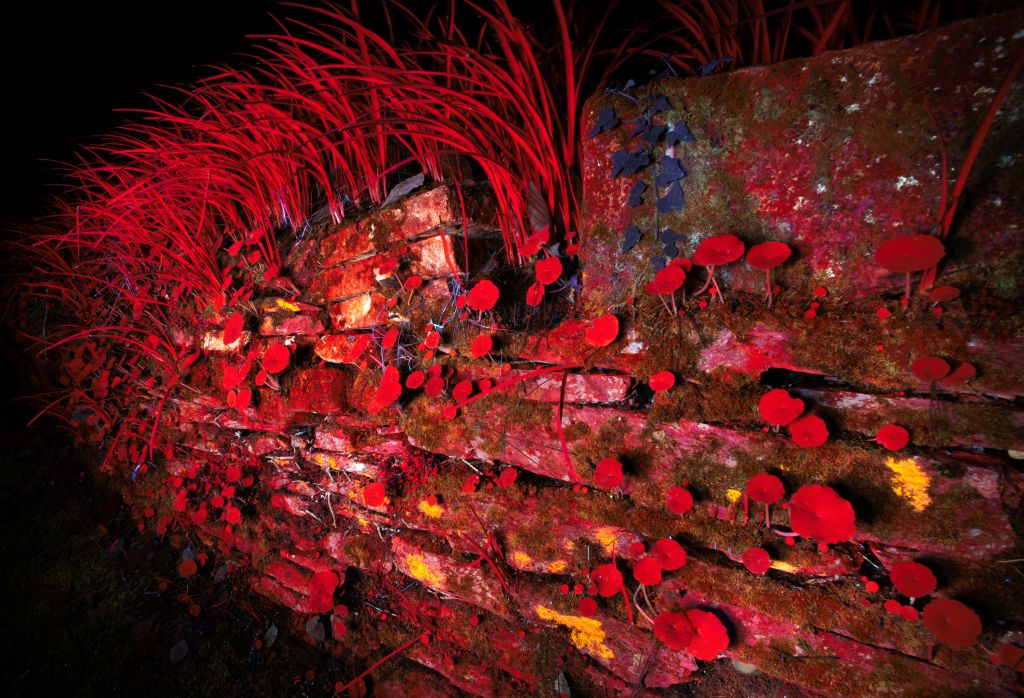
“One thing I really like about the rainforest is that it is green and unless you’re really into lichens and liverworts, it’s hard to really appreciate what’s there.
“But when you shine a UV torch on it and everything starts lighting up in different colours, it really brings it all to life and you really feel that magic in everyday things.”
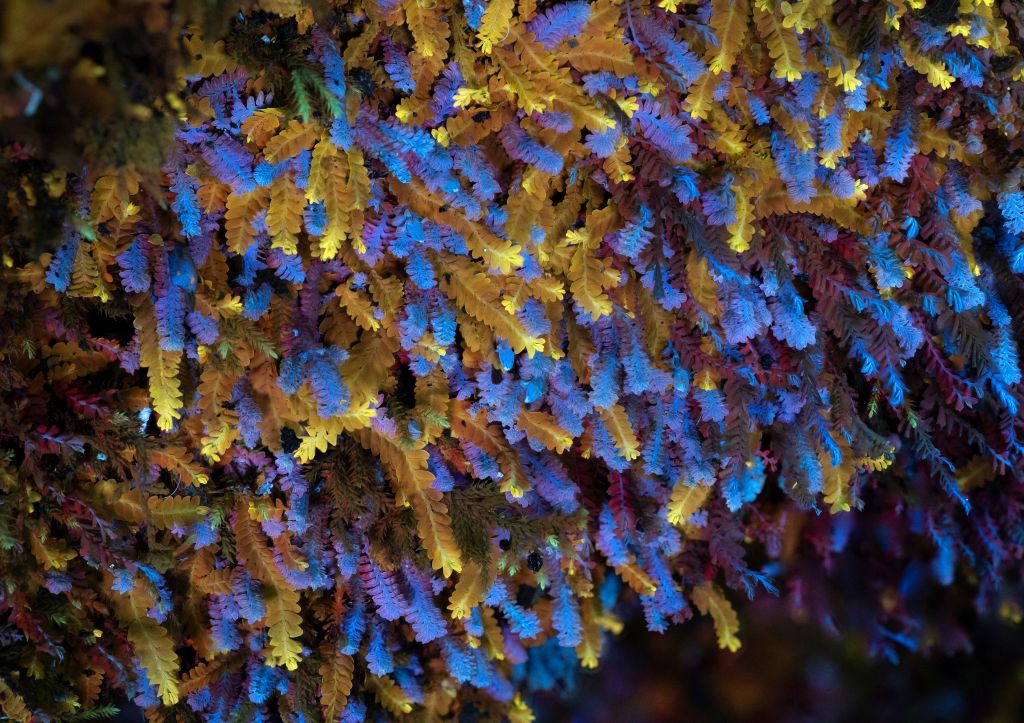
David said that while there is no one perfect time to see biofluorescence, that each season offers a chances to see different things.
He said: “In the same way you have a seasonal calendar of nature in reflective light, you have a parallel version in fluorescence as well.
“I don’t think anyone has mapped this and it’s something that as a keen photographer I have all my photos time stamped, so the first two years of being in the UK and really going around each season, I built up a seasonal fluorescent calendar.
“It’s very similar to the normal calendar it’s just a different version with different Spring flowers and insects coming out.
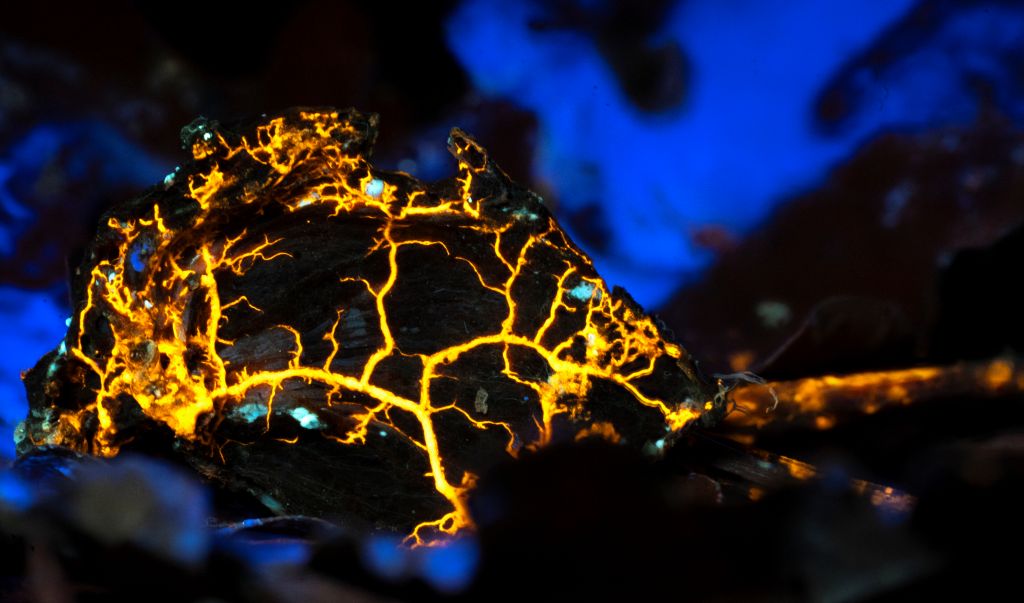
“Rain also enhances fluorescence in the rain forest particularly, because it brings certain animals up and out that you’re otherwise unlikely to see.
“It also can change the colour of some lichens and liverworts.”
David first stumbled across the world of biofluorescence while watching a Ted Talk on preying mantis’.
He has since gone on to photograph and study it across the world and is currently working on a first of its kind book mapping the world of biofluorescence.
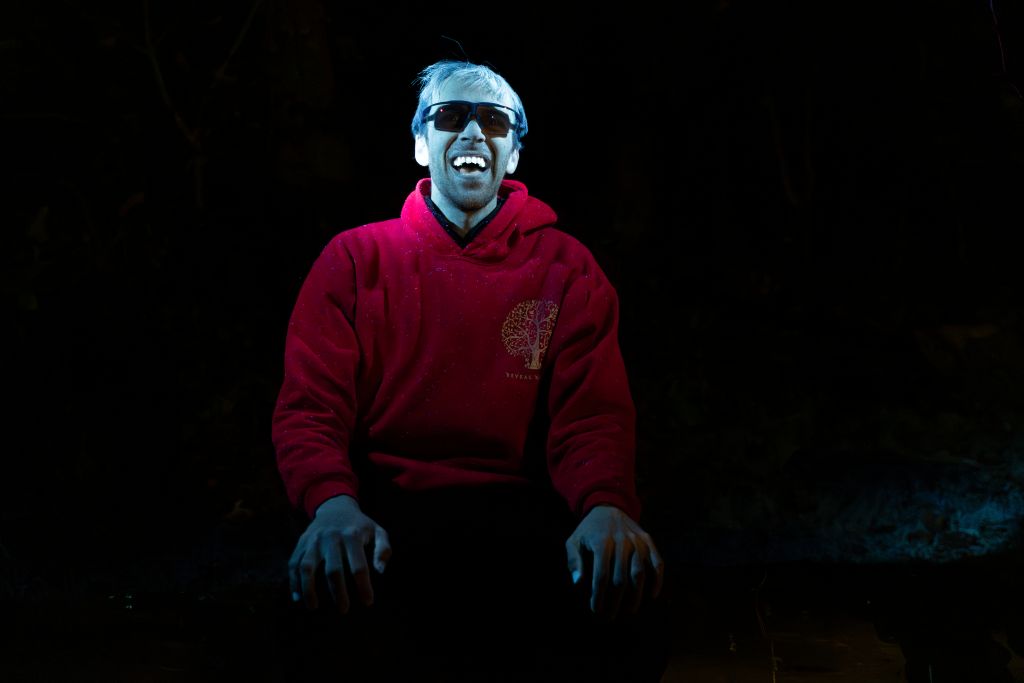
David added that hosting the night walks is a way for him to share the magic he feels from exploring the phenomenon.
He said: “It’s so new and novel for most people the first time they see it that it inevitably leads itself to awe and wonder led experiences, and that’s generally then normal reaction on the walks.
“I think the things we look at day to day might seem mundane and to make them magical in this way is really such a shift.
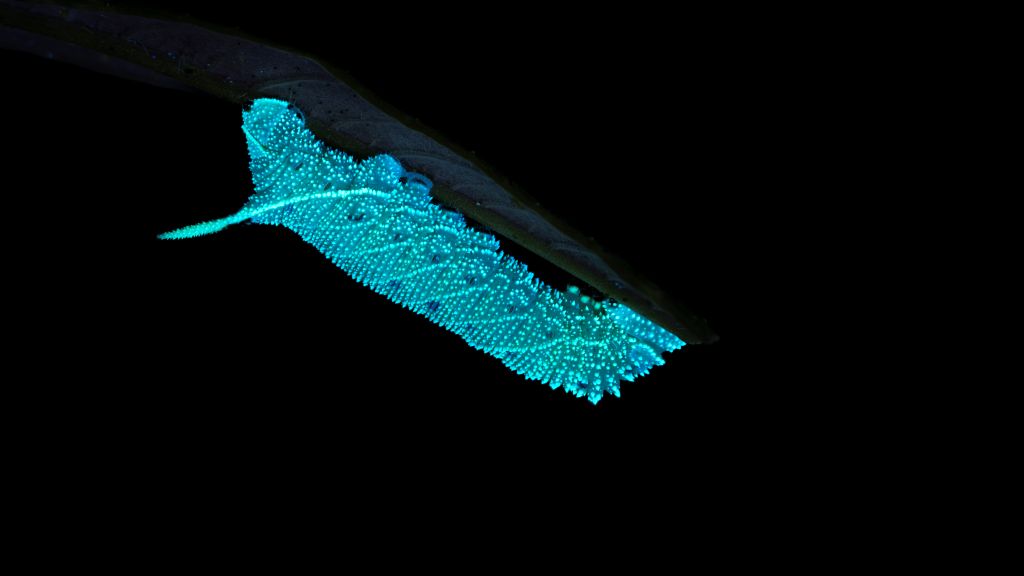
“There’s a lot of value in that, because those every day things like garden snails that we take for granted are suddenly glowing in wonderful colours.
“It really makes you stop and think about them and their place in the landscape.”
David is hosting biofluorescent night walks in the Lake District in Haweswater and at Brantwood this year.
Information on the walks can be found on his website Reveal Nature.