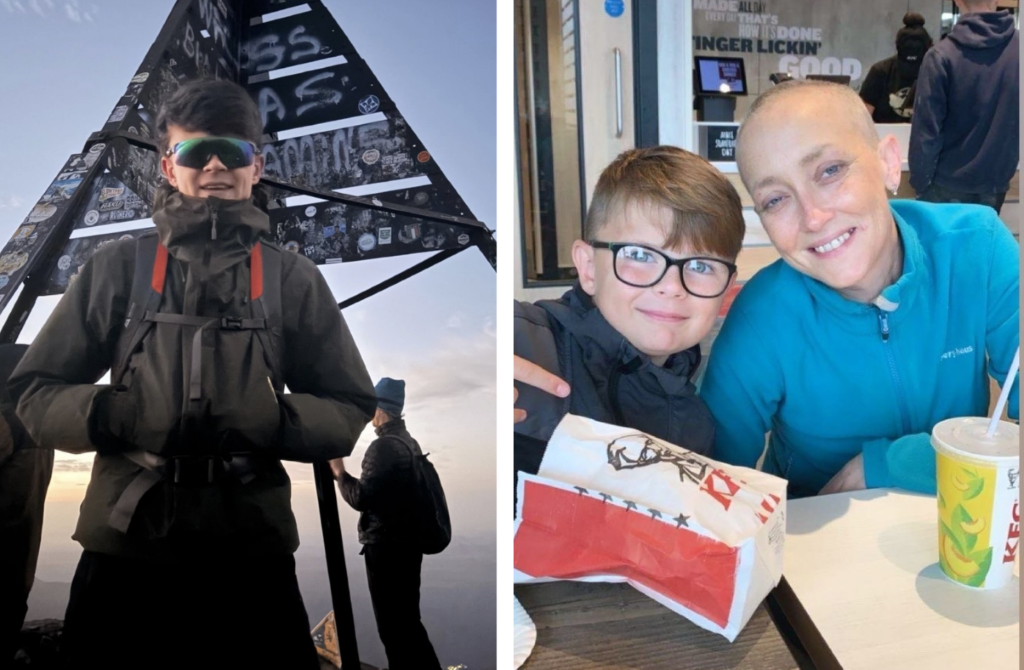
A grandmother who wanted to build camping pods for disabled and disadvantaged children said she planned to appeal the decision to turn the plans down.
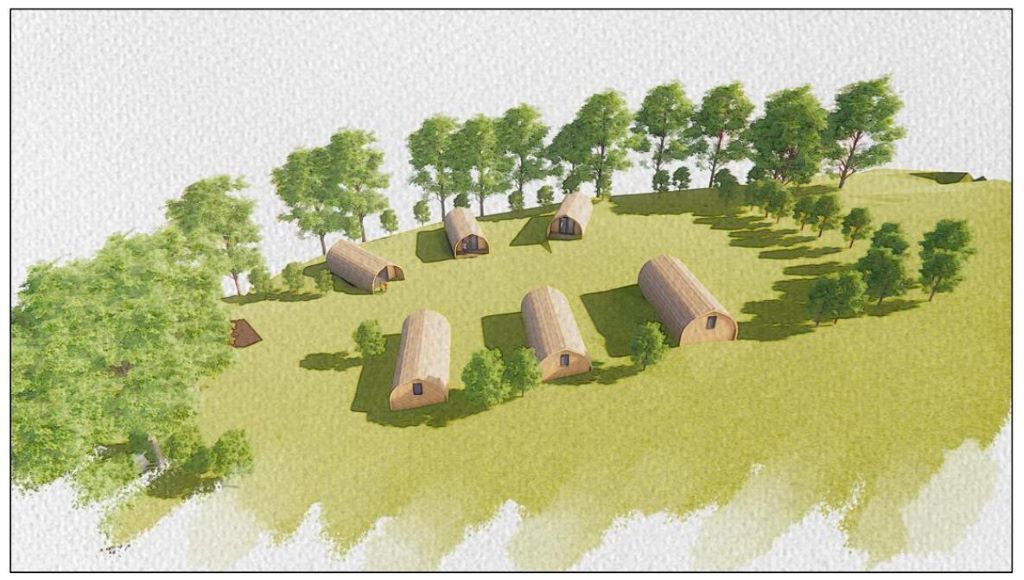
Julie Eve, 62, wanted to build the six pods on Alma’s Meadow near Bowness-on-Windermere, for youngsters who were disadvantaged or had special needs to help connect them with nature.
It also said there was a failure to demonstrate road access would be safe, and no legal backing to make sure that only disabled and disadvantaged children would use the site if built.
Mrs Eve said she planned to appeal the decision.
She said: “Throughout this process, I have remained respectful and open, and I am incredibly grateful for the strong support received from the community and beyond.
“This included encouragement from individuals in positions of public responsibility, who recognised the value of what Alma’s Meadow was seeking to offer as an inclusive and much-needed space.
“This leads me to ask a simple but important question: How does this decision align with the Lake District National Park’s own commitments to accessibility, inclusion, and equality?
“The Lake District is often described as a place for everyone. If that is truly the case, then projects designed to support those who face the greatest barriers to access, including disabled and disadvantaged children, should be given meaningful consideration, not set aside.
“It felt unfair, what happened, and how it happened.”
She added using the Windermere Villas conservation area as a reason to deny the application – despite it not currently being in place – was unfair.
She added she was willing to enter into legal assurances so that the land would only be used with the intentions set out, and said it was ‘difficult’ to understand why that was not explored further.
She said: “There is a need for it. I am quite aware that there are lots of residential places for disadvantaged children, but there isn’t one on Bowness Bay, and the others don’t have animals and the gardening aspect of it, which is so important for mental health.
“I grew up surrounded by animals, so why not let another child experience that?”
Julie added that the meadow, which was part of the Old Belfield estate, also has an overlooked historical connection to Rasselas Belfield, a young man who was brought to England as part of the transatlantic slave trade.
She said she would like to teach the children about him.
Andrew Smith, the authority’s head of development management, said: “This application attracted substantial, and near equal, representations of support and objection from the public.
“At its meeting on April 1, committee considered the application, taking into account relevant planning considerations.
“They found that the application’s stated benefits (which were asserted but not legally secured) did not outweigh its adverse impacts, specifically: harm to the character of the area by building on undeveloped land; harm to the setting of nearby listed buildings; harm to the significance of the proposed conservation area; harm to the significance of the world heritage site; likely harm to protected trees and woodland; failure to demonstrate that the proposed road access would be safe; and failure to demonstrate an adequate sewage disposal solution.
“The applicant has a right of appeal to the Secretary of State.”