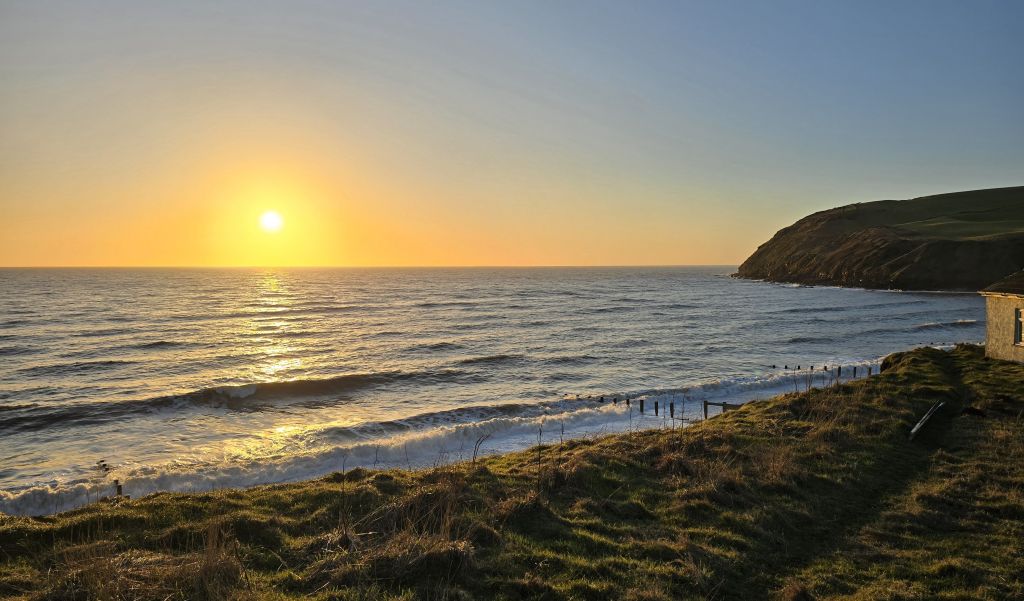
Hot weather moving in across the county has resulted in a health alert being issued.
A yellow alert has been issued for the North West and all other regions of England by the UK Health and Security Agency and the Met Office.
Temperatures are predicted to hit up to a maximum of 28°C across Cumbria this week.
The alert means that it is possible the weather’s impact will be felt across the whole health service and non-health sectors may also start to see impacts.
It is in place from today Wednesday July 8 and will remain in place until 9pm on Sunday July 12.
The alert means that there is a risk of a rise in deaths, particularly among those aged 65 and over or with health conditions, and there may also be impacts on younger age groups.
The Met Office said that the weather will turn increasingly hot and sunny throughout the week across the North West.
Today will see temperatures reach a maximum of up to 29°C with light winds.
Thursday morning fog patches will clear quickly and leave a very warm day, with plenty of sunshine. Some cloud is likely to return to parts of Cumbria at times.
Across the North West, a maximum temperature of 30 °C is likely.
From Friday to Sunday, high pressure will keep the weather dry and settled.
Some overnight low cloud and fog will form each night but will quickly clear during the early mornings.
Temperatures across Cumbria will vary from 24°C to 28°C over the course of the week – which just falls shy of the UK threshold to classify as a heatwave.
The threshold heatwave temperature in Cumbria is 25°C recorded for at least three days in a row.
Safety tips for coping with hot weather
- Stay hydrated: Drink plenty of cold fluids, such as water, to prevent dehydration. Avoid alcohol and caffeinated drinks, which can lead to dehydration.
- Stay cool: Wear light, breathable clothing, stay in the shade or indoors during the hottest parts of the day, and use fans or open windows at night to cool your living space.
- Look after vulnerable people: Check in on elderly neighbours, those with chronic health conditions, and anyone without air conditioning. Ensure they have access to adequate hydration and a cool environment.
- Avoid strenuous activity: Reduce physical activity during peak heat, especially outdoors. If exercise is necessary, do it early in the morning or late in the evening when temperatures are cooler.
- Try to avoid direct sunlight, especially between 11am and 3pm when UV levels are highest
- If you are going out during this time, cover up with suitable clothing, wear a wide-brimmed hat and sunglasses, seek shade and apply sunscreen liberally and re-apply frequently
There is a difference between heat stroke, which is a medical emergency, and heat exhaustion.
Symptoms of heat exhaustion may include heavy sweating, weakness, dizziness, nausea, and headache. People usually feel better after drinking water and cooling down for 30 minutes.
Heat exhaustion can develop into heatstroke if no action is taken. If someone starts to experience symptoms including confusion, high body temperature, and loss of consciousness, call 999 immediately for emergency help.
If you feel unwell, get medical help as soon as possible. Pharmacists are experts in medicine and can provide treatment for a range of mild illnesses.
Alternatively, speak to a GP or use the NHS 111 service online or call 111 if it’s a more urgent problem.
In a life-threatening emergency always visit A&E or call 999.
Water safety
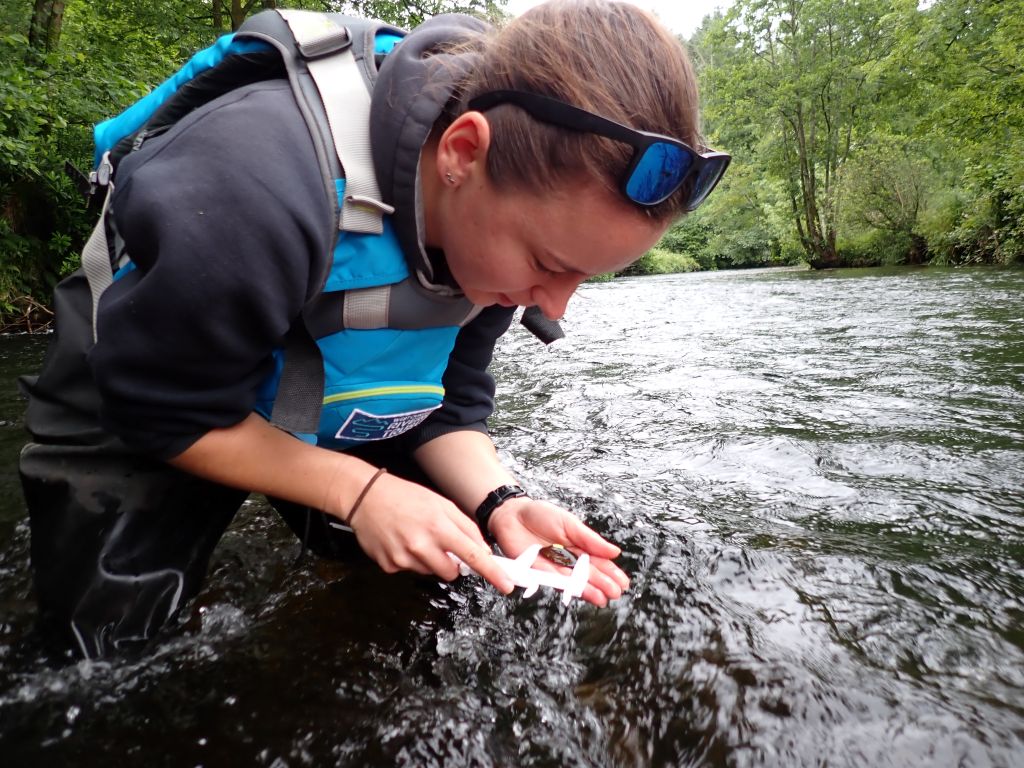
People are also urged to be safe around Cumbria’s open waters.
Tips for staying safe include:
- If you fall in open water, don’t panic. Turn to float on your back, then call out for help or, if possible, swim to safety
- Do not enter the water if you have consumed alcohol and avoid walking on routes that are near water to prevent falling in
- Never enter the water to try and help another person or animal – call 999 and use any rescue equipment if it is available.
- Read up on the local safety information – every body of water is different and may pose different risks
- Ensure children are always actively supervised
If you get into difficulty in water remember – float to live:
- Tilt your head back, submerging your ears
- Relax and control your breathing
- Move your hands and legs to help you stay afloat
- Your legs may sink – that’s okay, everyone floats differently
- You can practise floating at a supervised location like a swimming pool
Cold water shock is the body’s natural physical reaction to sudden immersion in cold water. It triggers an involuntary gasp reflex, causing the person to inhale sharply. This can lead to water entering the lungs, increasing the risk of drowning.
Even on a hot day water can be cold, and anyone who suddenly enters cold water is at risk, regardless of swimming ability.
The effects of cold water shock pass quite quickly and usually last between one and two minutes – float to live saves lives in these moments.
Pet safety
Pet owners are advised to stick to early morning and late evening walks for dogs and avoid exercising them in the hottest parts of the day to prevent potentially fatal heat-related illnesses.
The British Veterinary Association said even a very short walk in the middle of the day or being locked in a car for a few minutes can be fatal.
Flat-faced breeds such as English or French bulldogs and pugs are at even greater risk, as their short muzzles can make breathing difficult and they struggle to cool down through panting, which is a dog’s main way to cool its body temperature.
Overweight animals and densely coated animals are also at increased risk.
Safety tips include:
- Make sure all pets always have access to fresh water to drink, adequate ventilation and shade from direct sunlight at all times. Provide them with a cool mat and fan indoors
- For rabbits and guinea pigs, you can provide extra shade by covering the top of wire mesh runs with damp towels. Lightly misting rabbits’ ears with cold water is also an effective way to help cool them, as long as this doesn’t stress them
- Don’t exercise dogs in the hottest parts of the day: especially older dogs, overweight dogs, flat-faced breeds or dogs that you know have heart or lung problems. Stick to early morning or late evening walks or skip walks altogether
- Do the five-second tarmac test before taking a dog out for a walk- put your palm flat on the tarmac for five seconds, and if it feels too hot for you, it’s too hot for your dog’s paws
- Never leave dogs in vehicles. If you see a dog in distress inside a hot car, call 999
- Watch out for early signs of heatstroke, such as heavy panting, drooling, restlessness, bright red or very pale gums, and lack of coordination.
- Signs of heatstroke in rabbits include drooling, salivating, lethargy, short and shallow breaths, red and warm ears, wet nose and seizures. If you suspect your dog has heatstroke or any other heat-related condition, take it to a cool, well-ventilated place, give it small amounts of cold water to drink, and pour cold water over it to cool it down. Seek immediate advice from your vet.