Heroic exploits of Wigton soldiers during one of the most brutal campaigns of World War Two are to feature in a new exhibition in their home town.
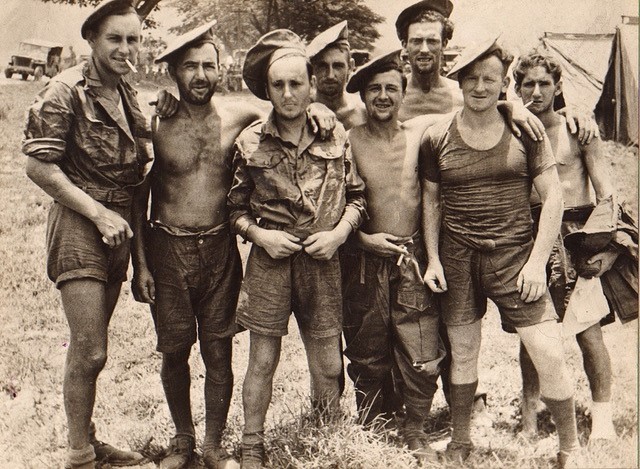
Known as the Forgotten War, the Burma Campaign of 1941-45 saw British and Allied troops fight a desperate rearguard action against the invading Japanese army in harsh jungle conditions.
These included men from towns and villages across Cumbria who found themselves recruited to outfits as diverse as the Border Regiment, the Navy, the Indian Army and long-range special forces units known as Chindits.
To commemorate the 80th anniversary of the conflict members of the Wigton War History Research Group set about researching stories of men from the town who fought or were involved in the war in the Far East.
The result of their two-year effort is Wigton’s Forgotten War, a poignant display of photos and personal histories which will go on display at the market hall this weekend.
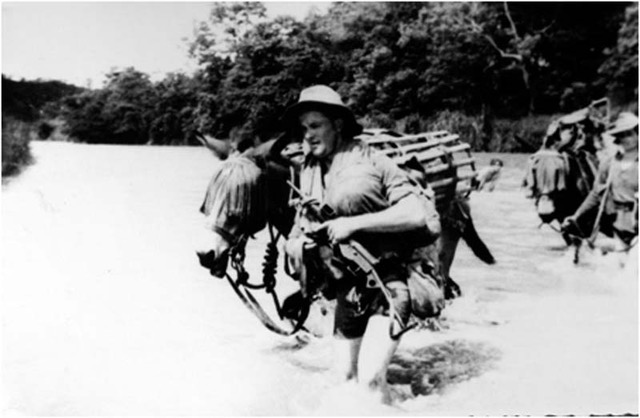
“Most of these lads hadn’t set foot out of Wigton prior to the war, and yet there they were fighting the Japanese on the other side of the world in unimaginably harsh conditions,” says Dennis Graham, who has organised the exhibition with fellow researcher Isabel Scott.
“Almost all of them are dead now, but thanks to relatives and documentation we have uncovered their stories live on.”
‘I swam the River Kwai, dodging bullets, to get an egg for breakfast’
Among the remarkable Wigtonians featured are Darryl Batey, who was part of an intelligence unit which came under enemy fire while conducting covert operations on the River Kwai.
“He volunteered to swim across the river in a hail of bullets to fix a rope to the far side, enabling the rest of the men to get across,” Dennis says.
“Later, when they asked him why he’d done it, Darryl said ‘Because it meant I got an egg for breakfast’!”

Another Wigton soldier whose exploits were reported in the newspapers back home was Tommy Watson, who was photographed next to a Japanese sniper he had just captured.
“What the folk at home didn’t realise was that as soon as the picture was taken, the sniper was most likely run through with a bayonet,” Dennis says.
“After what these lads had been through, they weren’t interested in taking prisoners.
Burma campaign was brutal
“But it was a brutal war and a lot of things went on that, even now, are embargoed by the Ministry of Defence because they are regarded as too sensitive to release to the public.”
After a four-year war of attrition, often fighting hand-to-hand in unforgiving terrain, the British and allied forces were ultimately responsible for driving the Japanese out and liberating Burma.
However thousands were taken prisoner and subjected to inhuman treatment by their captors.
Around 12,000 perished while building a 250-mile railway through the jungle, an ordeal immortalised in the 1957 film Bridge On The River Kwai.
The centrepiece of the free-to-enter exhibition, which runs from Saturday until August 21, is a full-sized replica of a Japanese POW camp, specially built by a film props company.

Family members of those who fought have been invited to a formal opening night on Friday, where the guest speaker will be Stuart Eastwood, former curator of Military Life Museum, who will give a short talk on the Border Regiment.
Another guest is actor Tim Barker, who will read a passage from George McDonald Fraser’s Burma memoir Quartered Safe Out Here.