In the run up to COP26 in Glasgow, Cumbria Wildlife Trust said it was was the time to tackle climate change and the nature crisis together.
Cumbria Wildlife Trust is calling on the UK Presidency of the global climate conference COP26 to tackle them together – or it said neither will be solved.
Stephen Trotter, chief executive of Cumbria Wildlife Trust, said: “It’s vital that Cumbria is resilient to the climate of the future – but sadly we are a long way from achieving this.
“There is an urgent need to put nature into recovery across Cumbria if we’re going to adapt to the extremes of climate that are likely in the coming years and decades. Not only is that going to help wildlife, local communities and the environment adapt to global warming and extreme weather – but nature can make an important contribution in its own right to achieving net zero carbon emissions in Cumbria.
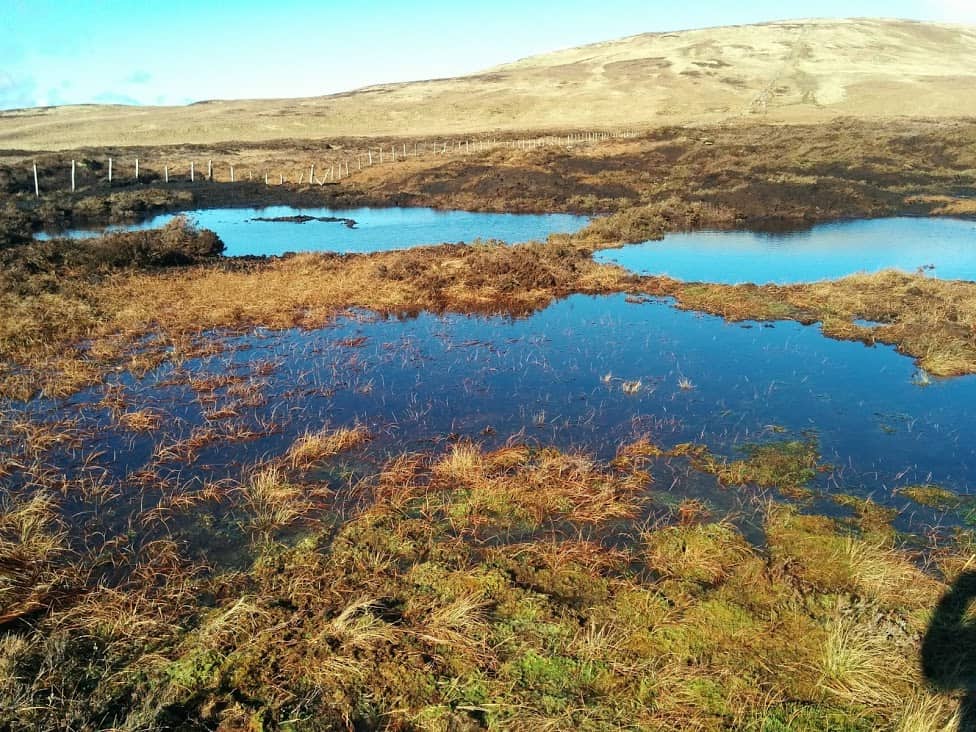
“Nature has a fantastic and proven ability to trap carbon safely and provide other important benefits, if we restore damaged landscapes and allow them to recover. Many of Cumbria’s most important wild habitats such as peatland, woodland, grasslands, saltmarsh and the sea bed of the Irish Sea, amongst other wild habitats, are vital carbon stores and have the potential to do even more as nature-based solutions to the climate problem. But these natural places are currently in decline and face even greater risk of degradation from the extreme climatic conditions that are already inevitable over the next 30 years.
“In addition to the urgent task of cutting emissions at source, we need to see a massive increase in the amount of land and sea that’s protected for nature – and increase it to at least 30% of Cumbria’s land and sea by 2030.
“The Government must embed climate action – mitigation and adaptation – and take urgent steps to stop carbon-emitting activities such as new road building, peat burning and trawling the seabed.
“For many years Cumbria Wildlife Trust has been working hard with partners and communities across Cumbria, to restore and protect key habitats that can store carbon, such as peatlands.
“When damaged, peatlands release the equivalent of 23 million tonnes of CO2 every year.
“In Cumbria we found that over 95 per cent of peatlands surveyed were in poor management condition, so it’s crucial that we continue to do what we can to repair them, for the sake of wildlife and the environment.
“Restored peatlands can capture more carbon, reduce flooding, clean our water, and allow wildlife to thrive. It’s not just peatlands that can store carbon though – we’re conserving ancient woodlands such as at Staveley, and planning for adaptation to climate change, by trialling innovative natural solutions to flooding in areas that are at risk, such as at Birds Park in Kendal.”
Cumbria Wildlife Trust, along with the other 45 wildlife trusts around the country, are calling on the Government to:
Peat
- Significantly increase peatland restoration and repair 100 per cent of upland peat before 2050
- Implement an immediate ban on peatland burning and end farming on deep peat
- Ban the sale and use of peat in gardening and compost products, including imports
The sea
- Implement a ban on bottom-trawling the seabed in England
- Give all seagrass habitats highly protected status
- Renew pledges to protect coastal habitats and invest more in natural sea defences
Farming
- Give a boost to sustainable and regenerative farming that locks carbon into the soil and helps wildlife
- Publish details on how Environmental Land Management Scheme will incentivise farmers to manage their land for nature-based solutions
Woodland
- Increase the natural regeneration of woods and where this cannot be done, plant resilient native trees instead
- Ensure a mix of trees are planted in every location so as to have the best chance of survival in unpredictable conditions and in the face of increased pests and diseases
Planning
- Make more space for nature everywhere including in towns and new developments like St Cuthbert’s Garden Village in Carlisle. By 2030 we need to have protected 30 per cent of our land and seas for nature
- Ensure that planning reforms deliver the Government’s legally binding target in the Environment Bill to halt species decline by 2030