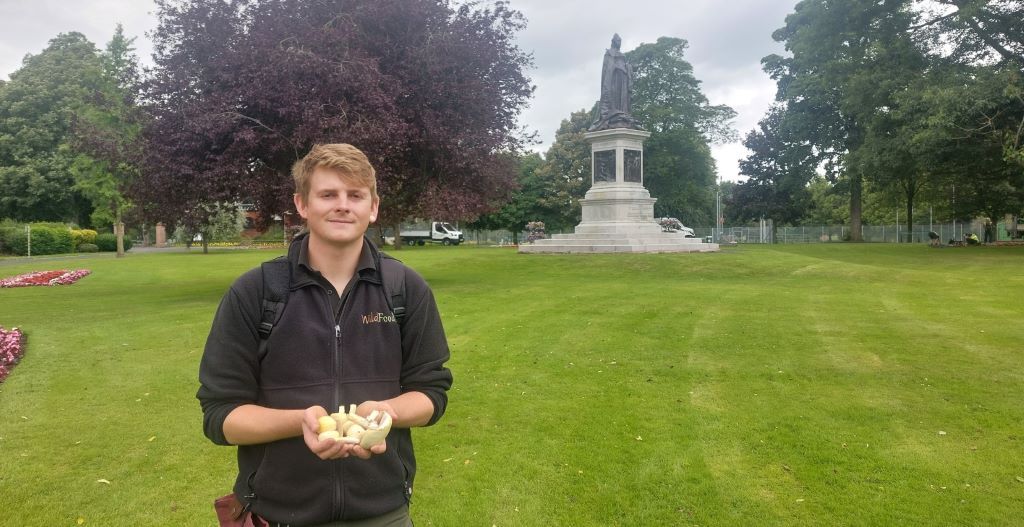
The last place I imagined spending a day foraging for wild food is in the middle of Carlisle.
With the Lake District on our doorstep it comes as a shock to hear that Bitts Park – situated only 800 metres from the city centre – is actually considered a better foraging destination than most of our national park land.
While at one point foraging was a commonplace skill, it’s now almost a ‘niche’ hobby to know about the edible plants around us.
But professional forager Jordan McKeating, 28, is trying to change that.
He works for Wild Food UK, which offers Cumbria-based foraging courses to teach people from all walks of life about the free food surrounding us.
I spent a day with Jordan to get a literal taste for what Bitts Park has to offer as an urban foraging destination.
He said: “Foraging is like an adult treasure hunt, it’s all about the chase. I could spend a week alone around Cumbria looking for chanterelle mushrooms.”
Originally from Workington and now living in Penrith, Jordan has had several jobs – it was only during the COVID-19 lockdown that he discovered foraging could be a career.

He added: “I’m a proud Cumbrian and I want to share with people what’s on their back doorstep and get them to reconnect with nature. I love showing people that there is life beyond plastic packaged bananas.
“It’s the coolest job in the world and I get to show people every day all the things I love.”
Bitts Park may seem like an unusual choice – but due to its size, habitat diversity and riverside location it is full of edible and medicinal plants such as lime tree leaves that can replace lettuce, hogweed which can be used as a spice and sweet cicely, an aniseed flavoured sweet treat.
Jordan added: “We do get Cumbrians come to other courses in the county and say they know we offer Bitts Park but that they wouldn’t want to forage there because of dogs.
“There are dogs, but it’s really all about common sense – we pick away from paths and the base of trees and wash everything. It’s a really old park with some incredible plants and trees, it’s completely underrated and better than most of the Lake District for foraging.”
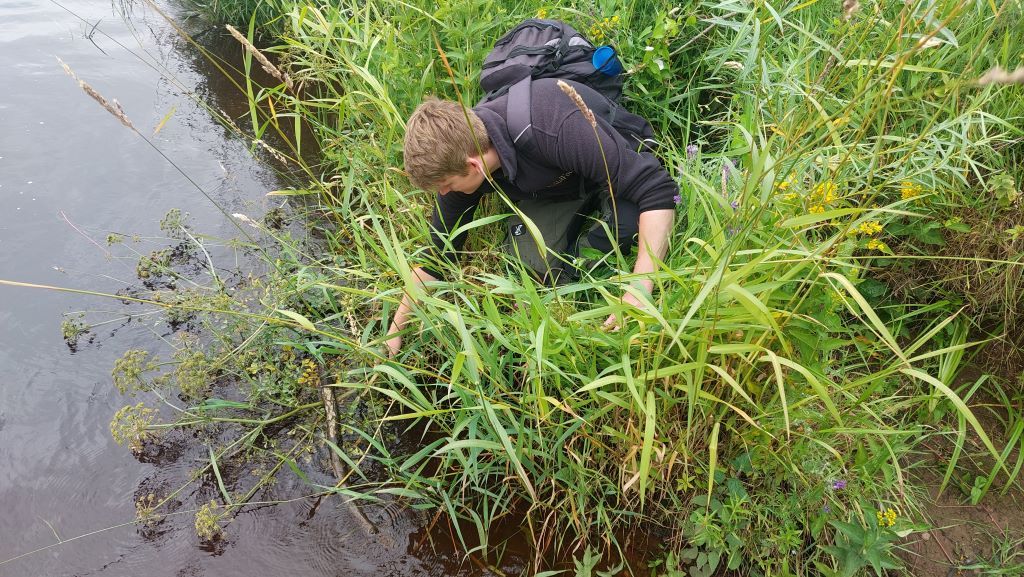
As course leader, Jordan can take private one-on-one courses or groups as well as public groups of up to 16 people out into the park for a four-hour course spent walking around the grounds and identifying and tasting the wild food available through each season.
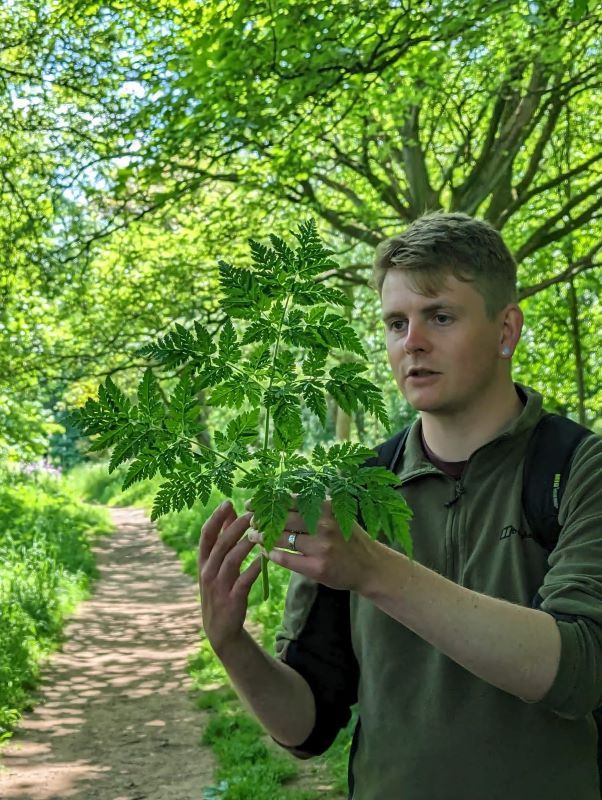
He teaches people how to differentiate between edible flowers, plants, fruit and mushrooms as well as how to spot the park’s dangerous plants, including one of the most poisonous plants in the northern hemisphere.
Barely half an hour into the day Jordan has already helped me begin to develop a ‘foragers eye’ where the usual green verges suddenly turn into wild supermarket isles full of food that an untrained eye would never see.
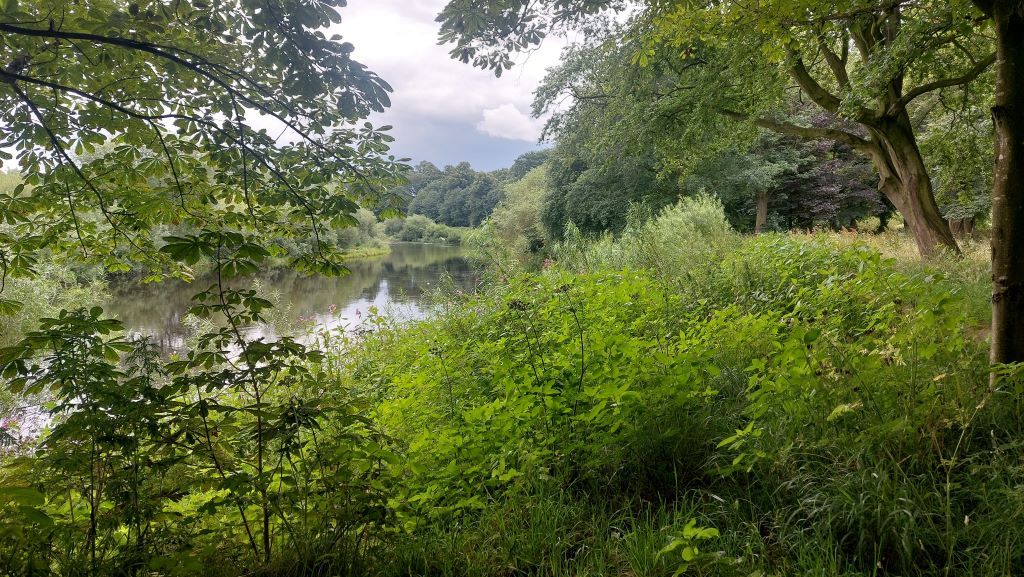
He also shows me several different plants just seconds off the park’s main path and also has me licking tree leaves to taste sugary (edible and not as gross as it sounds) aphid poo – which Jordan tells me is a funny sight for passers-by when he takes out big groups.
He added: “Before I came along the closest courses were in Skipton in Yorkshire or Edinburgh, so we’ve managed to open up the Lake District area.
“Because Bitts Park is so accessible, people from West Cumbria can just jump on a train and come along, which is another reason we love this location.”
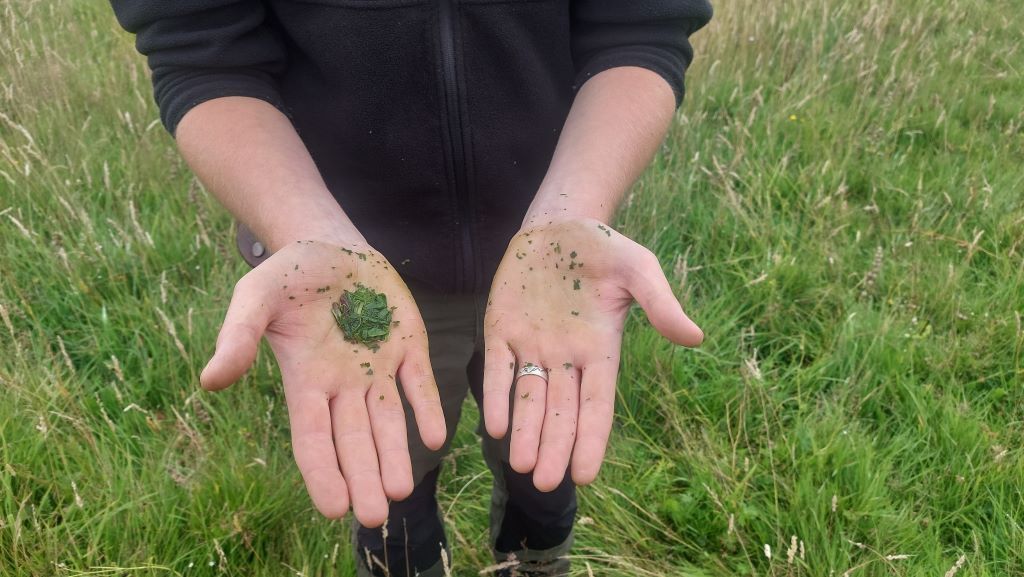
We walk for around two and a half hours exploring different areas of the park, during which I’m shown more plants including one that smells like pineapple, one that tastes like lemon and one that tastes just like sugarsnap peas.
Jordan also tests my knowledge as we go and it’s like a whole new world has suddenly opened up in front of me – who knew England actually has its own wild versions of spices?
During the day people are also treated to refreshments like foraged mushroom soup and elderflower champagne, both of which are homemade.
It’s clear Jordan would be very handy to have around in an apocalypse and he tells me that foraging is a lifelong journey of learning – there’s always something new or unusual.
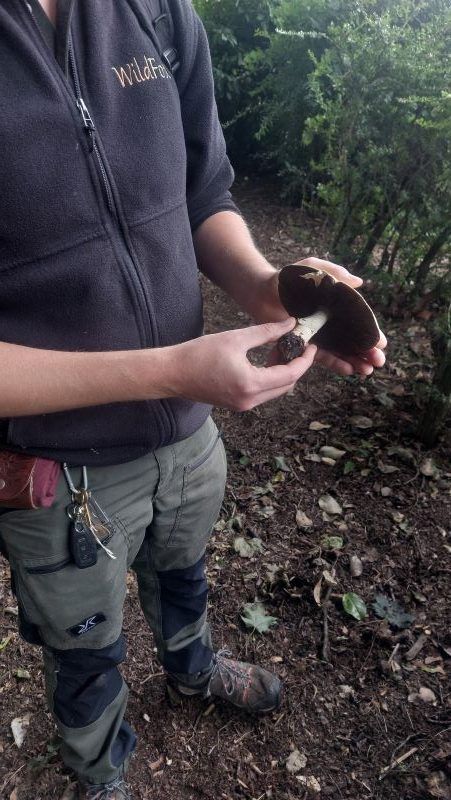
But he also adds that for some people it’s hard to shake the fear of chowing down on a wild leaf or seed pod.
He said: “It’s about building confidence and not being afraid of plants – but the most important rule is don’t munch on a hunch. But once you’re doing it there’s a whole world of really creative exciting cooking out there.
“With common hogweed, the young shoots taste like asparagus and we’ve had chefs blown away by that new flavour, they actually get excited by it.”
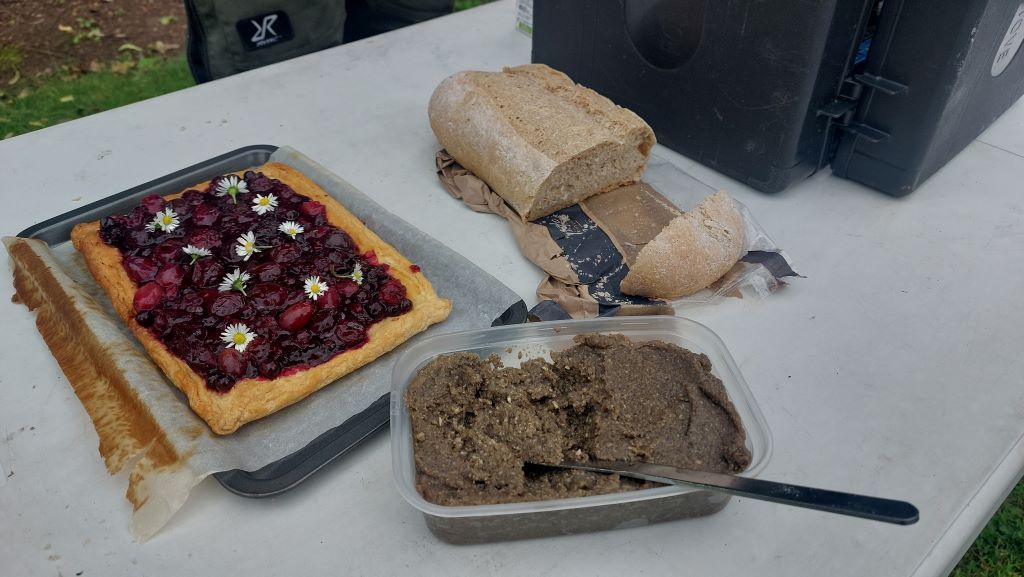
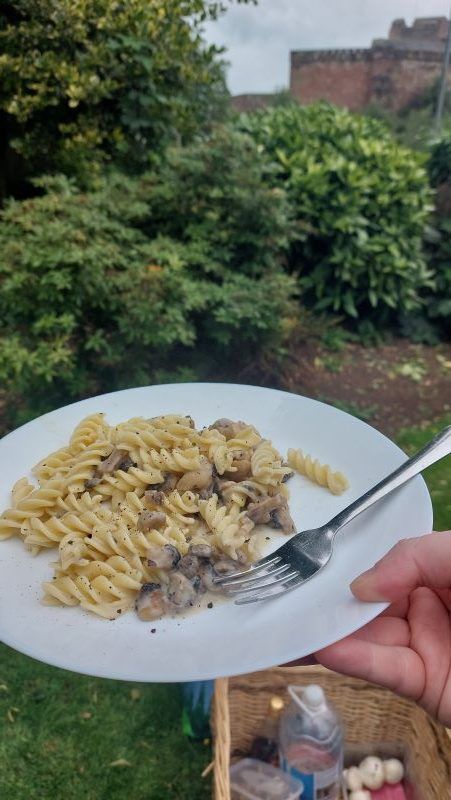
The day is rounded off with a wild food lunch cooked in the park, we eat mushroom pâté on bread, mushroom pasta and a fruit puff pastry tart – garnished with Bitts Park daisies.
Jordan added: “It’s scientifically proven that being outdoors and in nature reduces stress. It’s in all of us we have this ancient need to be outdoors at some point
“Foraging just clears the mind, it helps me slow down and it’s healthy and for me it helps my mental health. When I feel stressed or overwhelmed all I need to do is go out to the woods or fields. I go and spot nettles or a dryad’s saddle here and there and by the time I’m home I’m totally refreshed.
“It’s something we should all know and everyone of all backgrounds can start at any time – dandelions are edible and they grow everywhere.”
The 28-year-old first showed an interest in foraging as a youngster but didn’t ever think his interest would turn into a career.
He said: “I remember I was at my friend James’ house and his dad had always liked to pick things and forage. We must have been really annoying him so he sent us off and said go find some mushrooms.
“We went looking for them and found orange ones, round ones, purple and tall ones and thought it was actually quite fun.
“I ended up finding a phallus impudicus, known as a stinkhorn mushroom and I shoved it into my school bag.
“I opened my school bag later on and it was covered in black goo – the mushroom smells of rotting flesh and my bag smelled like a corpse – but ever since then me and James would forage in the same place every year.”
Jordan was working as a jeweller during the first lockdown.
He said: “I was living on my partner’s mum’s farm. We’d go out for walks and I started noticing plants as the seasons changed and as life slowed down I thought, this is what I want to do.
“I’d been watching Marlow, one of the owners of Wild Food UK on YouTube for around a year my partner said I should get in touch.
“I ended up asking them how I could go about becoming a professional forager and they explained that they did take people on as trainees and all of a sudden I was down in Herefordshire training.
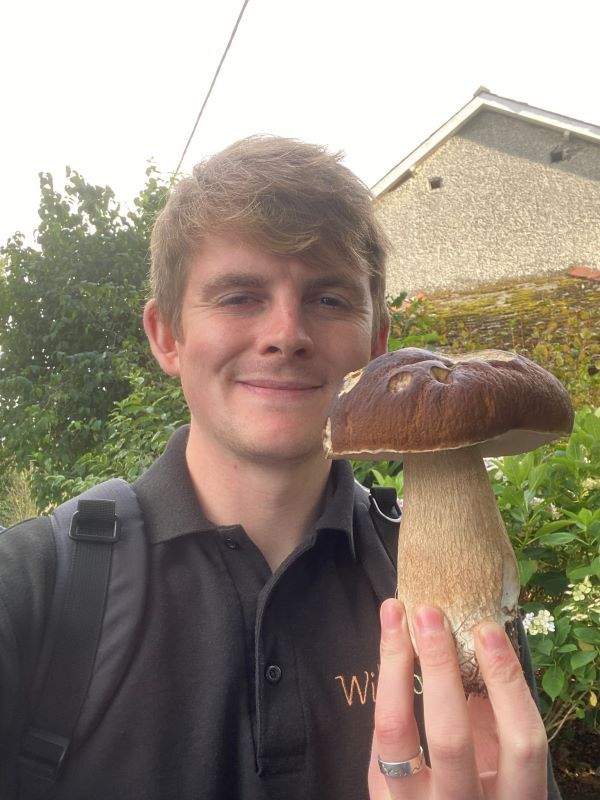
“I’ve had so many jobs, I’ve worked in Costa, Pizza Express, holiday parks, factories…they were just jobs you do to work and clock in and out. But this is different, it’s what I want to do.
“I never thought I’d be doing it, I originally wanted to be in the air force, but life just hits you in the face sometimes.”
After two years of training, Jordan spread his wings as a course leader in April and said it is a role he plans to keep for life.
Wild Food UK courses with Jordan also run at Hutton-in-the-Forest, Dalemain Mansion as well as in the Eden Valley.