Buttermere is the last pristine water in the northern Lake District.
Non-native species have invaded Bassenthwaite Lake, Derwentwater and have recently been found in Crummock Water – leaving Buttermere as the last clear lake.
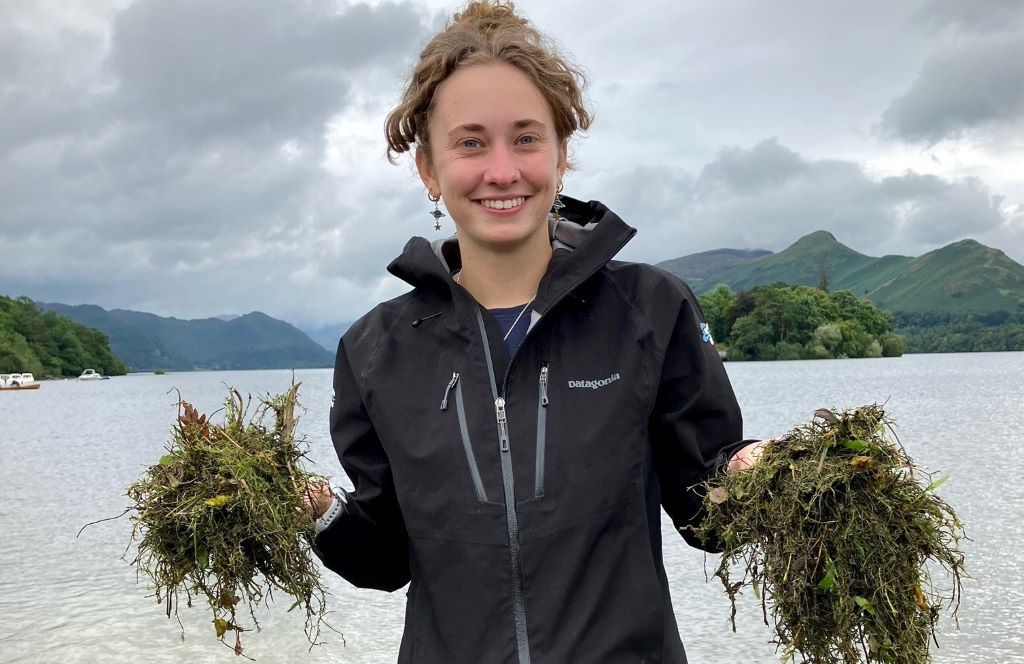
The non-natives, which include plants like New Zealand Pigmyweed, can dominate the waterway forming dense mats, depleting oxygen for other plants, fish and invertebrates and restricting access for recreational water users.
West Cumbria Rivers Trust and the National Trust are asking people to be vigilant as the pigmyweed is adaptable – the smallest fragment can attach itself to a piece of clothing or equipment such as a boat, paddleboard, wetsuit, or angling equipment and be transferred to a new body of water.
The charities are working together to devise a plan of control for New Zealand Pigmyweed in Crummock Water and to raise better awareness of non-native species in Cumbria.
Izzie Mullin, West Cumbria Rivers Trust’s invasive species project officer, said: “We want everyone in the Lake District to be able to enjoy our lakes, tarns and rivers, but we can only keep these fantastic natural resources accessible to people if they are in healthy conditions.
“We need the help of everyone who comes through our area to be aware of the issue and help us #SpreadTheWordNotTheWeed and prevent the introduction of new INNS.”
Joe Bagnall, the National Trust’s riverlands ranger, added: “The importance of a healthy and functional natural environment cannot be overstated for the benefit of all our well-being, therefore it is the National Trust’s goal to ensure that the fantastic lakes and rivers in our care are kept in healthy conditions allowing people to enjoy them forever.”
Tips to help stop the spread of non-native species
- Check all clothing, footwear and equipment for plant fragments and living organisms before leaving a waterbody. Pay particular attention to any crevices!
- Clean and wash all equipment on site, leaving all organisms and plant fragments behind. OR wash on a hard standing surface away from a draining system.
- Dry all equipment and clothing thoroughly before heading to the next waterbody. Some species can survive for two weeks in damp conditions.