
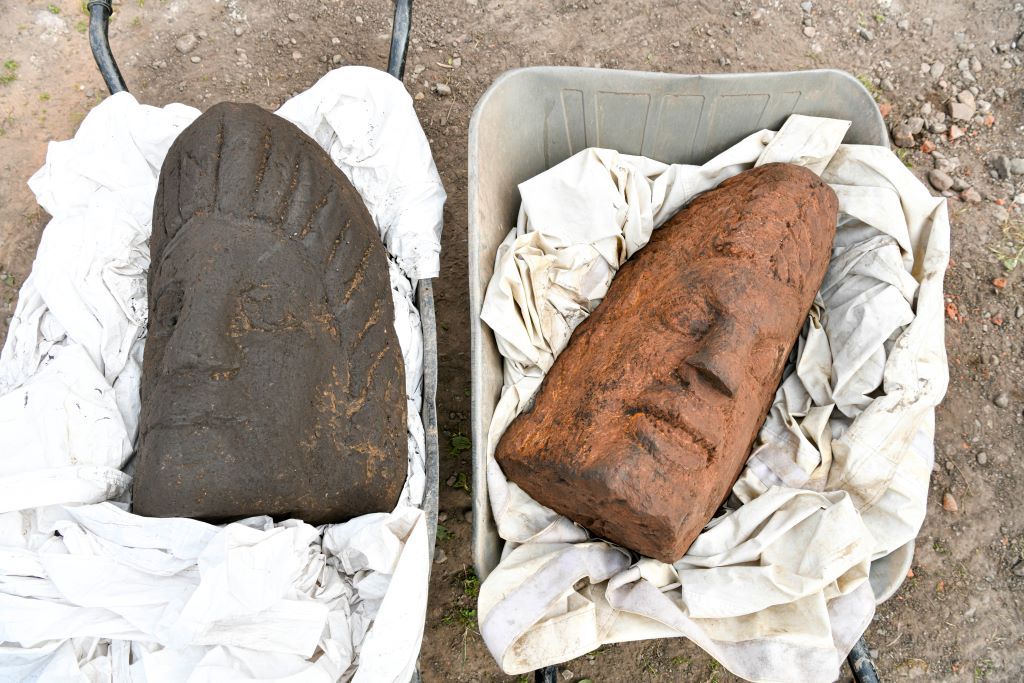
Internationally significant Roman sculptures discovered in Carlisle are set to go on display later this year.
Uncovering Roman Carlisle is a community project at Carlisle Cricket Club. It is an archaeological dig at a Roman bathhouse, believed to be the largest building on Hadrian’s Wall.
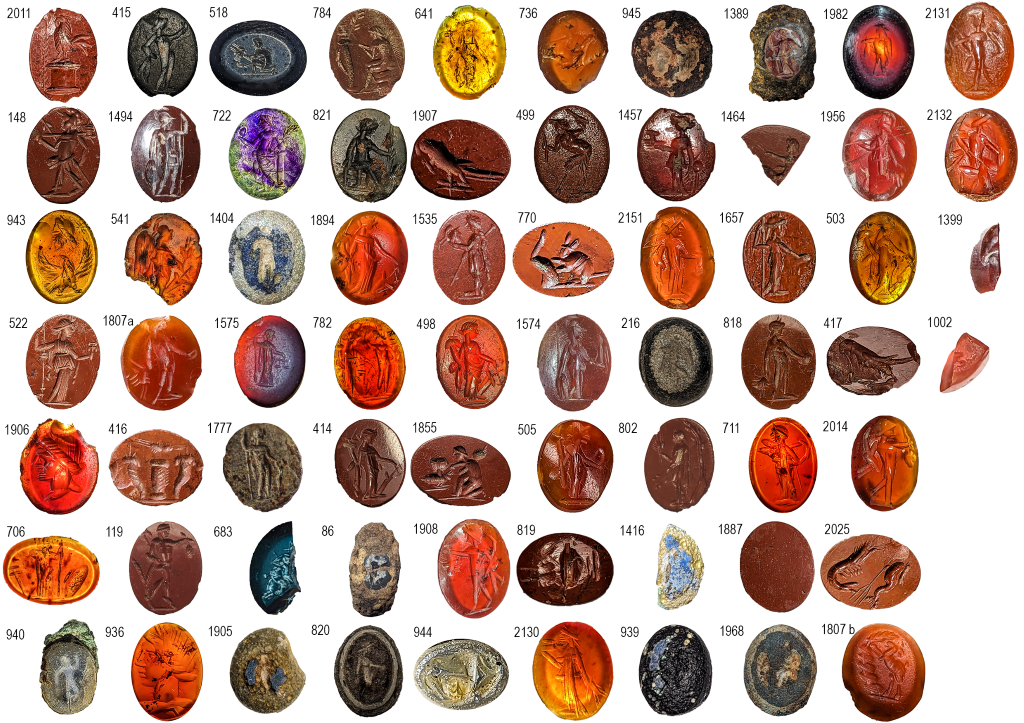
Recent items found during the project, including the heads, a vast collection of carved gems, a stone dolphin carving, hypocaust tiles and vaulting tubes, will now go on display for the first time at the city’s Tullie museum this autumn.
This exhibition also celebrates the monumental community effort behind the dig.
The most recent phase of excavations has involved 373 volunteers, with more than 2,000 significant finds, and over 1,678 volunteer days given by volunteers since 2021.
Over 6,000 people visited the site, including 625 trips from local schools.
This high-profile dig, which featured in Channel 4/National Geographic’s Lost Treasures of Rome and is set to be part of the programme Digging for Britain, has captured attention worldwide.
It has also received several accolades, with past phases of the project being recognised by the Council of British Archaeology and the Marsh Charitable Trust as the Community Archaeology Project of the year 2021, with a member of the project team, Kevin Mounsey, nominated for Community Archaeologist of the Year.
Alongside the new finds, there will be another chance to see the items displayed as part of last year’s exhibition Uncovering Roman Carlisle, giving a sense of the dig’s progress since the discovery of the bathhouse site in 2017.
Digging Deeper: Uncovering Roman Carlisle will also feature drone footage of the dig site and a range of hands-on activities for all ages, including a digging area, games and logic puzzles.
The exhibition will run from Saturday September 23 to Saturday November 11, opening Monday to Saturday 10am to 4pm. A day of talks, coinciding with the opening day of the exhibition, is set to be announced soon.
Admission is free for children and under-18s, current members and annual ticket holders.
Sarah McGlynn, exhibitions manager at Tullie, said: “These recent finds represent a hugely important time in Carlisle’s history and have inspired the whole community. We are delighted to be bringing them to Tullie for everyone to see.”

Frank Giecco, technical director at Wardell Armstrong, said: “Many of these objects are already internationally recognised finds even though they were only discovered by our volunteers this summer. We hope that this exhibition can tell the story of how significant Roman Carlisle was, and how utterly unique these finds have been.
“Myself and the team at Wardell with the volunteers have been working away at identifying and understanding the staggering amount of discoveries, in particular those finds that have been recovered from the main bathhouse drains.
“The carvings on these gemstones tell so many stories from mythology and give us an insight into the minds of the Romans bathing 1800 years ago. As ever we are thankful to the cricket club and Cumberland Council for their continued support in exhibiting these finds.”
Mike Rayson, chairman of Carlisle Cricket Club, which own the artefacts, said: “When we first started exploring the site for the new cricket pavilion six years ago, I told Frank to find either nothing or to find truly something immense, and without a doubt he’s delivered.
“The finds from this site are staggering, we are rewriting Carlisle’s history. We need to move things on, it just takes Carlisle to a different level, the immenseness of it.
“Do we have here the ultimate Roman imperial story?”