A groundbreaking project to improve educational outcomes in West Cumbria has hosted a major event for school staff to share ideas and learn from local and national experts.
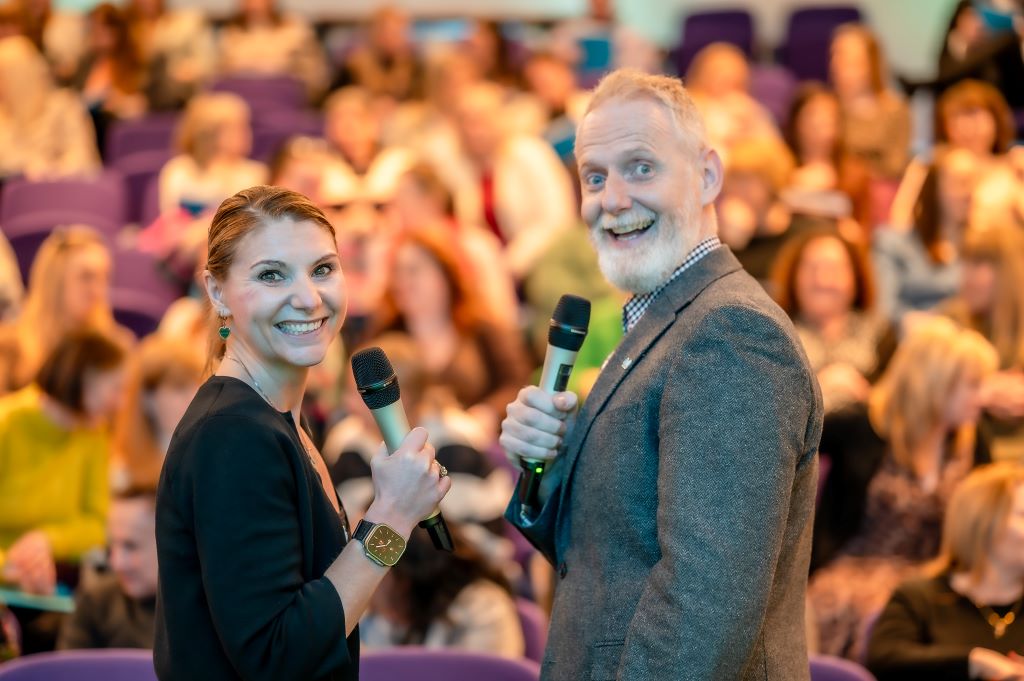
Around 140 people including teachers, headteachers and teaching assistants attended Making a Difference in Education 24 at Energus, Lillyhall, near Workington.
They took part in workshops and heard from keynote speakers on strategies to improve learning, school attendance and pupil wellbeing.
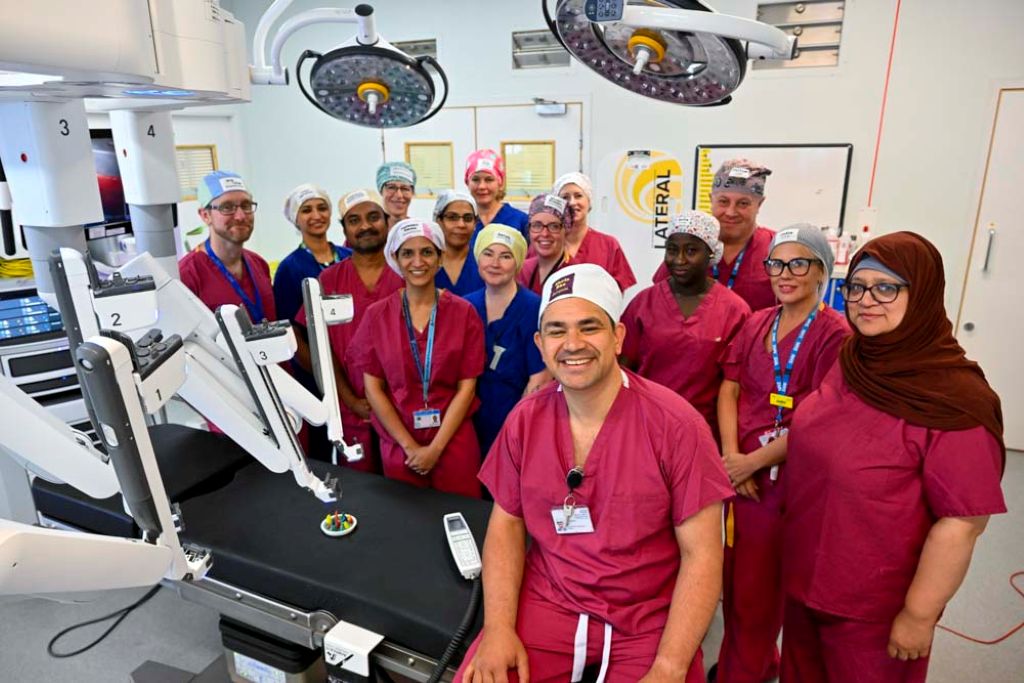
It was organised by Western Excellence in Learning and Leadership, a project funded by Sellafield Ltd through their Social Impact Multiplied programme and the Nuclear Decommissioning Authority.
WELL harnesses leading evidence-based educational research and expertise to improve outcomes for all young people in West Cumbria, especially the disadvantaged.
Dale Hill, director of the WELL project, said: “MADE 24 is about bringing schools together to collaborate. It’s a chance to come together to hear from experts in research-led professional development and take this work back into school. It is also about inspiring our valued teachers and headteachers.”
All 118 secondary and primary schools in West Cumbria have taken part.
So far WELL has supported 12,000 pupils, helped 5,000 disadvantaged children, trained 140 emotional literacy support assistants and trained 200 staff in youth mental health first aid.
It said 92 per cent of schools have data to show positive impacts and all secondary schools show strong positive impacts for their WELL focused work.
Catherine Mallard, headteacher of St Begh’s Catholic Junior School in Whitehaven, said it was fabulous to be able to hear from national experts who would not otherwise come to West Cumbria.
She added: “WELL has allowed us to build a dedicated team to focus on the particular challenges we face after the pandemic, particularly around mental health. We have two staff trained as ELSAs. They deliver intensive support to children who are struggling, one-to-one or in a group.
“WELL has opened doors to professional development and we work collaboratively with other schools so much now. Schools used to be mini kingdoms. Now we realise we face the same issues and help each other.”
Nigel Youngman, headteacher of The Whitehaven Academy, said that WELL had allowed his school and Workington Academy to join a transformational programme to encourage pupils to apply to the top Russell Group universities including Oxford and Cambridge.
Eighty students each year, from years 10 to 13, work with a university admissions tutor who offers advice on study skills and university applications.
Mr Youngman said: “We are incredibly lucky to be funded. The data and outcomes are really positive. We are already seeing year-11 students much more motivated with their learning.”
Stuart McCourt, education, community and development lead at Sellafield Ltd, attended MADE 24 as an observer and was delighted with the event.
He said: “As part of Sellafield Ltd’s Social Impact Multiplied programme, we want to make sure there aren’t barriers to people from disadvantaged backgrounds, providing them with the same opportunities as everybody else.
“WELL is one of our flagship social impact projects. The important thing to recognise is that none of it would be possible without the school staff. They are the ones delivering it.”
The speakers at MADE 24 included Professor Rob Coe, director of research and development at Evidence Based Education, a national teacher development, school improvement and research organisation.
He argued that pupils with low attainment, or who are disadvantaged socially, needed high quality teaching to thrive and that the best way to improve teaching was for teachers to spend more time on professional development.
He said: “Teachers work an average of 50 hours per week, just over half of that in the classroom, but spend an average of only 30 minutes on professional development.
“The single most important thing you can do to make a difference to outcomes for young people is professional development.”