
Almost £15.3 million has been awarded to a Cumbrian partnership to unlock thousands of homes stalled in the planning process due to nutrient neutrality rules.
Westmorland & Furness Council is one of seven councils given cash from the Government from the Local Nutrient Mitigation Fund.
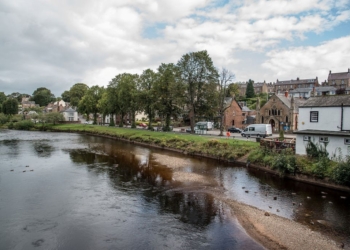
Around 13,000 new homes across the River Eden, River Derwent and Bassenthwaite Lake, River Kent and Esthwaite Water Catchment areas are in limbo because of the rules.
Nutrient pollution is an urgent problem in areas across England, with increased levels of nitrogen and phosphorous damaging natural habitats and harming wildlife. This can impact housebuilding in areas where the waterways are affected by excess nutrient pollution.
Development achieves nutrient neutrality when the nutrient load created through additional wastewater, including surface water, from it is mitigated.
By designing development alongside suitable mitigation measures, additional nutrient loads can often be avoided or mitigated. This approach is called ‘nutrient neutrality’. It essentially allows developments to be permitted without impacting on the condition of protected sites.
In reality, it put the brakes on housing schemes across the UK.
The Government said the fund will ensure building the homes we need will not come at the expense of the environment, as it will be used to protect local rivers and precious habitats.
Westmorland and Furness Council has been awarded nearly £15.3 million to upgrade private sewage systems, deliver land use changes, as well as measures to prevent flooding.
Councillor Virginia Taylor, Westmorland and Furness Council’s cabinet member for sustainable communities and localities, said: “On behalf of the Cumbrian Partnership, which also includes the Lake District National Park Planning Authority and Cumberland Council I welcome this significant funding, which empowers us to develop and deliver solutions that unlock much-needed housing, including affordable options, across the affected catchments in Cumbria.
“We estimate that, across our areas, at least 13,000 homes are either currently stalled in the planning process or will face future challenges due to nutrient neutrality requirements.
“Delivering solutions such as land use changes, private sewerage upgrades, treatment wetlands and riparian buffers will enable the development of these homes and ensure we protect our precious habitat sites.
“This initiative will help us achieve our strategic goals, foster economic growth and safeguard our environment.
“We are committed to working closely with our partners and the development industry to accelerate the delivery of these solutions.
“Together, we will navigate the necessary processes to ensure our solutions are robust, cost-effective and that the right legal frameworks are in place to provide long term benefits.”