An exhibition to show the influence that Windermere had on the development of aeroplanes has been expanded to appeal to children in the new year.
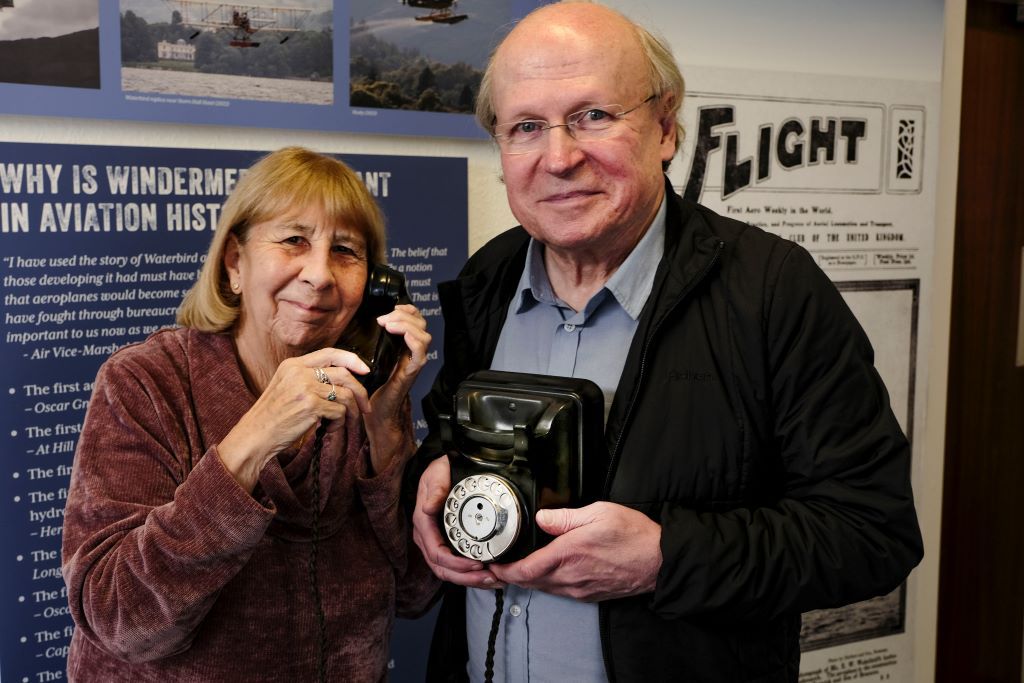
A welcoming message on an old-fashioned dial telephone, an interactive recruitment display and a specially designed big book have been added to the exhibition at Windermere Library.
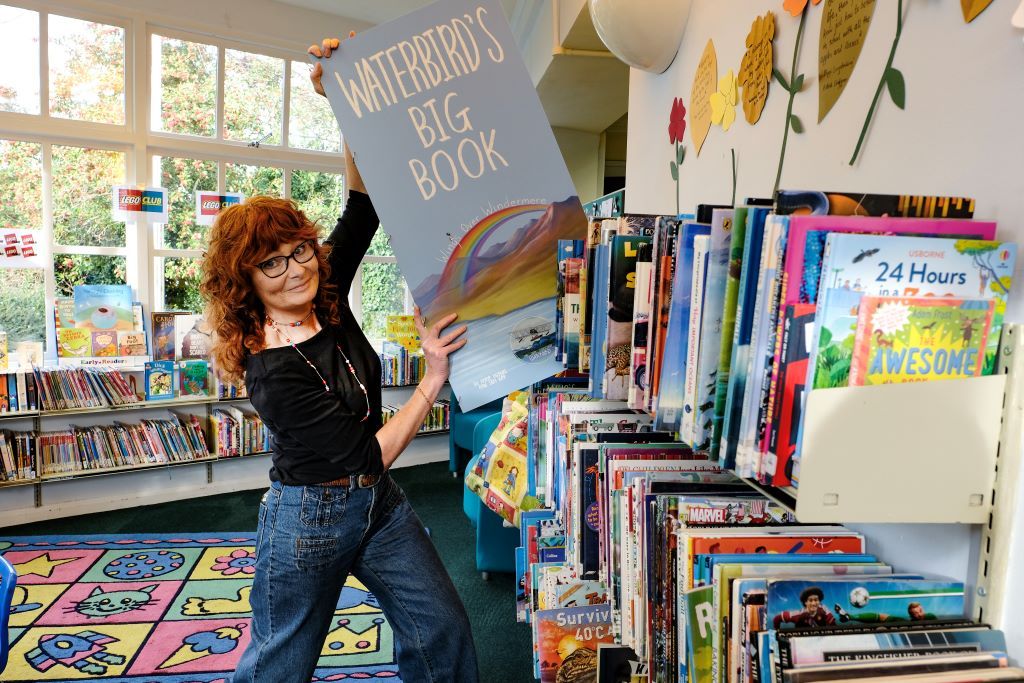
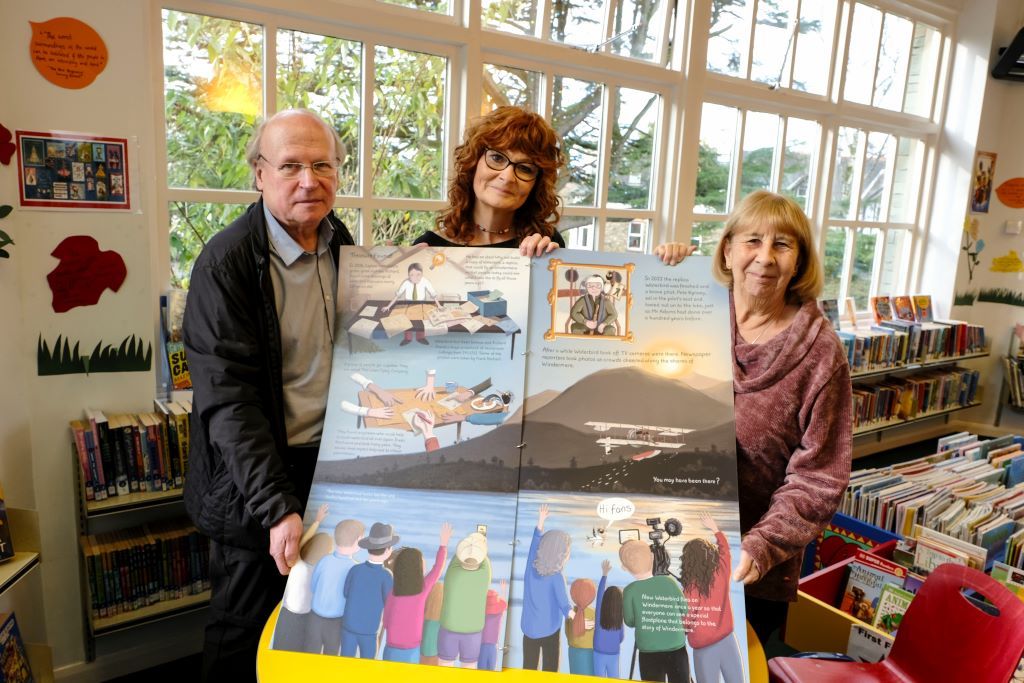
The metre tall and wide book tells the story of Waterbird, the first plane to take off successfully from water in the UK, and how a replica was made – and flew – a century later.
The Big Book will be kept downstairs with the librarian to be viewed on request, from January 3.
Waterbird Project trustees Ian Gee and Anne Hughes had already written a book about the dual stories, but they wanted a children’s version to help engage with younger visitors.
They turned to award-winning illustrator and artist Ursula Hurst, who has a home and studio in a hamlet near Appleby.
She had previously illustrated an Airfield Adventure book for the Light Aircraft Association which brought her to the attention of Mrs Hughes.
Ursula describes the Waterbird story as fascinating and produced four detailed double page spreads for the children’s version. It may now be reproduced as a normal sized book.
“I loved the challenge of it and all the research I undertook to get all the details correct. It was lovely to be part of such an exciting project and making it accessible to a younger audience,” she says.
She also brought a Red Breasted Merganser duck, Mergie, into the book as an observer of the story and as the book developed so did Mergie’s character.
Waterbird trustee Anne Hughes says: “We are excited to have this addition to our exhibition and hope it will encourage visitors and local schools to enjoy the novelty of a book they can sit around and learn about the significance of the Waterbird story to the local area, and beyond.”
Ian Gee, a Kendal-based retired solicitor who is chairman of Lakes Flying Company, which is behind the Waterbird Project, said: “We particularly wanted to have a focus within the exhibition for children.
“We hope the combination of the big book, the telephone and the interactive panel showing the recruitment criteria for joining the Royal Flying Corps back in 1912 achieve this.
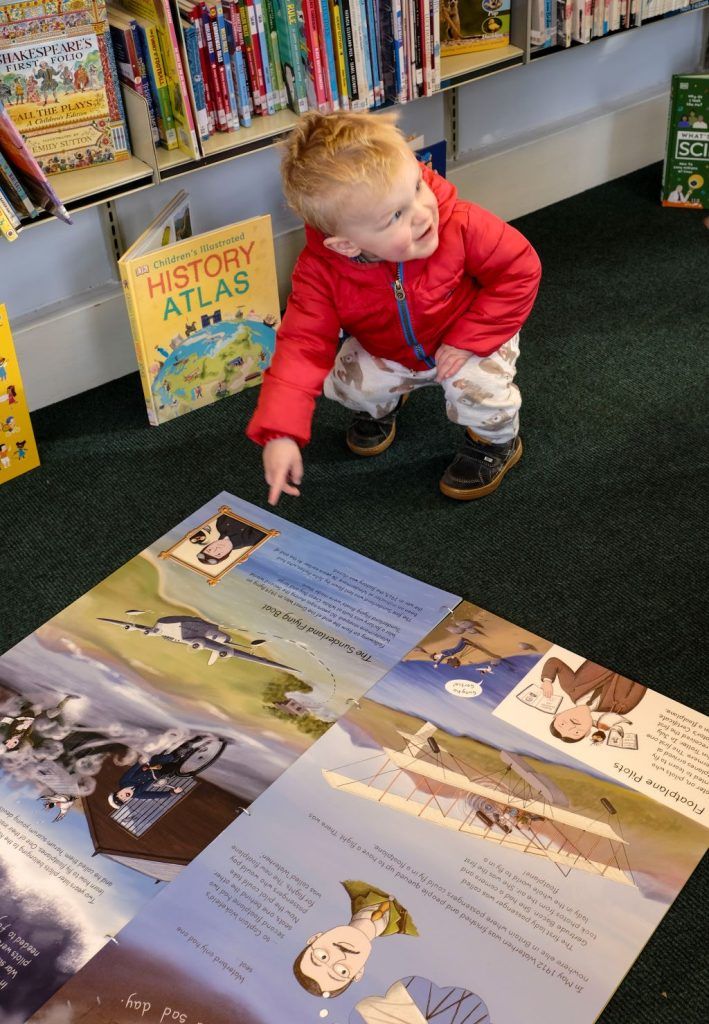
“Having given Ursula the raw material, she has gone the extra mile with her research, delving into the fine detail, and used her skills to produce a high-class representation of the story.”
In another new development at the exhibition, an old Bakelite telephone has been installed with a welcoming message from Captain E W Wakefield, the landowner and entrepreneur who initiated the building of the original Waterbird, in 1911.