
Dog owners are being urged to do their bit at Cumbrian nature reserves during ground-nesting season.
Cumbria Wildlife Trust and the Dogs Trust are urging people to keep their pets on leads.
Springtime sees the arrival of many migratory species, who travel thousands of miles to nest on nature reserves across the country and are vulnerable to disturbance between February and August.
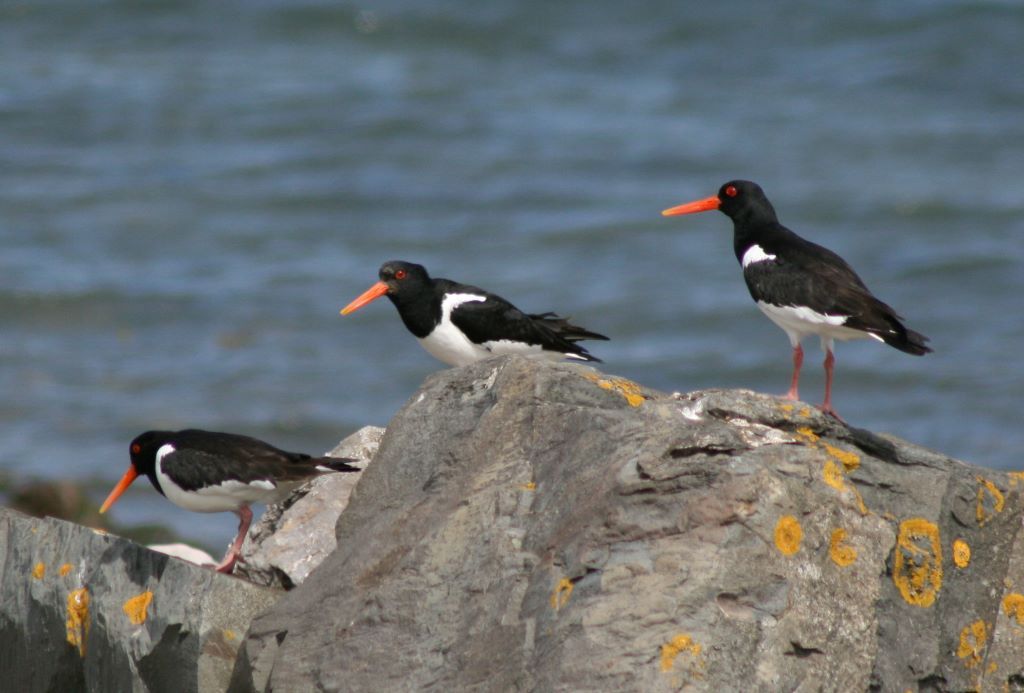
At this time of year, visitors flock to South Walney Nature Reserve near Barrow to see its array of birdlife, from little tern and oystercatcher to eider duck, ringed plover and lapwing, as well as skylark and meadow pipit.
Similarly, in spring and summer, Foulney Island Nature Reserve is home to visiting little terns and Arctic terns, as well as ringed plover.
But all of these birds are ground-nesting so they are particularly vulnerable to disturbance, the wildlife trust said.
The species are also at risk and facing declines – the little tern is the second rarest seabird in the UK. The trust added: “It’s easy to miss their nests on shingle, as the eggs are so well camouflaged.
“How we interact with nature at this time of year can have long-lasting effects and a significant impact on the breeding success and survival rates of these birds.
“Keeping dogs close by will help ensure that ground-nesting birds are not harmed during the breeding season. Unsupervised dogs can cause birds to abandon their nests, so it’s vital that they are kept under control.
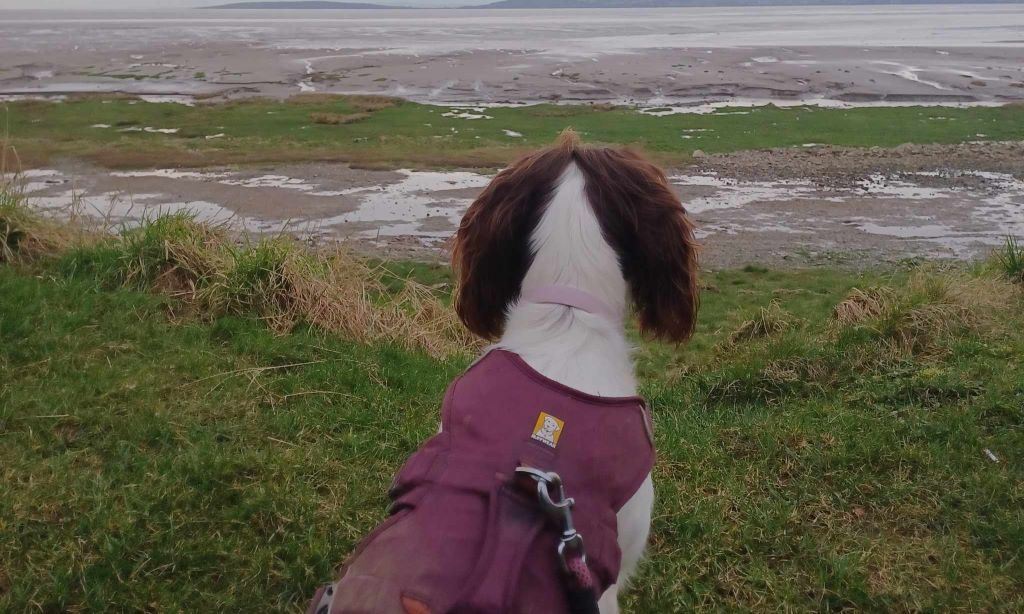
“Many dog owners are passionate about nature and want to avoid harming it. However, even the most well-behaved dogs can unintentionally cause distress or damage wildlife, simply by following their natural curiosity.
“But birds perceive dogs as predators and when dogs roam freely, birds may abandon their nests, leaving eggs and chicks cold and unprotected.”
Bekka Watts, assistant warden for Cumbria Wildlife Trust added: “Birds such as little terns return to the same nesting site every year, some having travelled thousands of miles to reach their breeding grounds.
“These birds have no way of knowing that their nesting location has become someone’s favourite walking route, and that’s why it’s crucial for us all to be mindful of our actions when we’re enjoying outdoor spaces.
“We all form strong bonds with our dogs. This means that the status of dogs as ‘predator’ to wildlife is often forgotten or overlooked. It can be hard to believe that your own pet is the problem. However, dogs are one of the main causes of disturbance to ground-nesting birds.
“Even a good-natured, curious dog can cause extreme disturbance, as the birds will always perceive the dog as a very real threat, causing them to react. Eggs can be trampled, chicks eaten and adult birds stressed, to the point of abandoning their nests.
“To reduce disturbance and give these special birds a chance, we can all help by being responsible dog-walkers. Keeping dogs away from areas which don’t allow them, and keeping them on leads in areas which do (where ground-nesting birds are present) will improve their chances immensely.
“This way we can all continue to safely enjoy watching nature at wonderful wildlife sites in Cumbria, such as Foulney Island and South Walney Nature Reserve.”