Atomfall – a highly anticipated upcoming video game based on the Windscale disaster – is set to launch officially next week.
Earlier this month we were lucky enough to play a two hour preview of the game, during which, we spent most of our time obsessing over the references made to Cumbria and the Lake District.
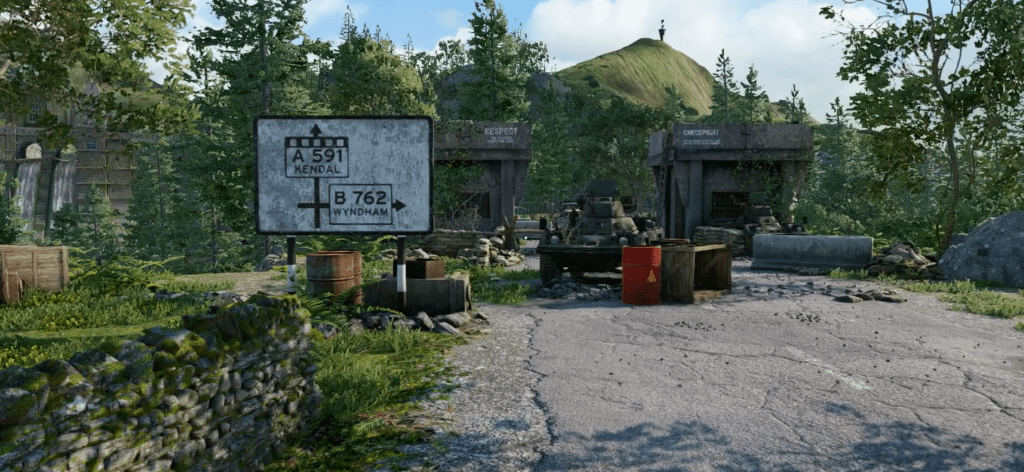
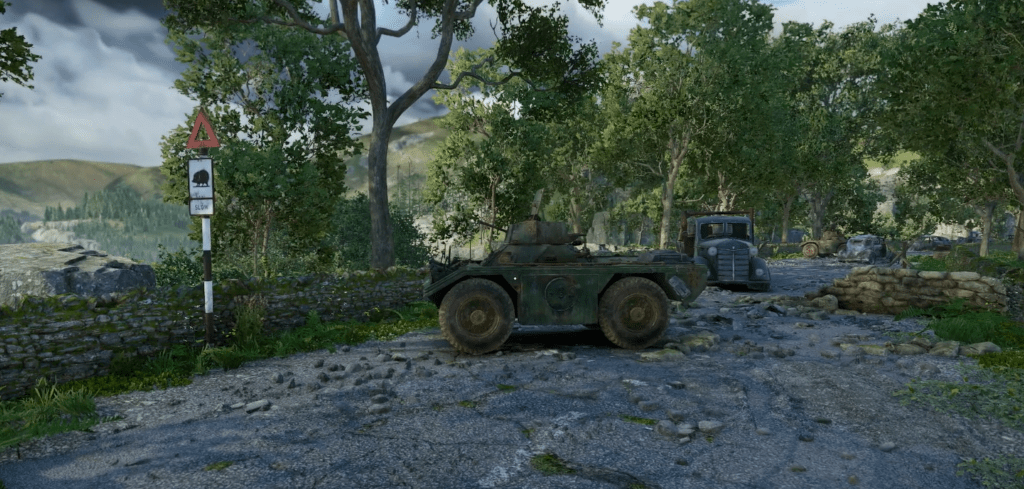
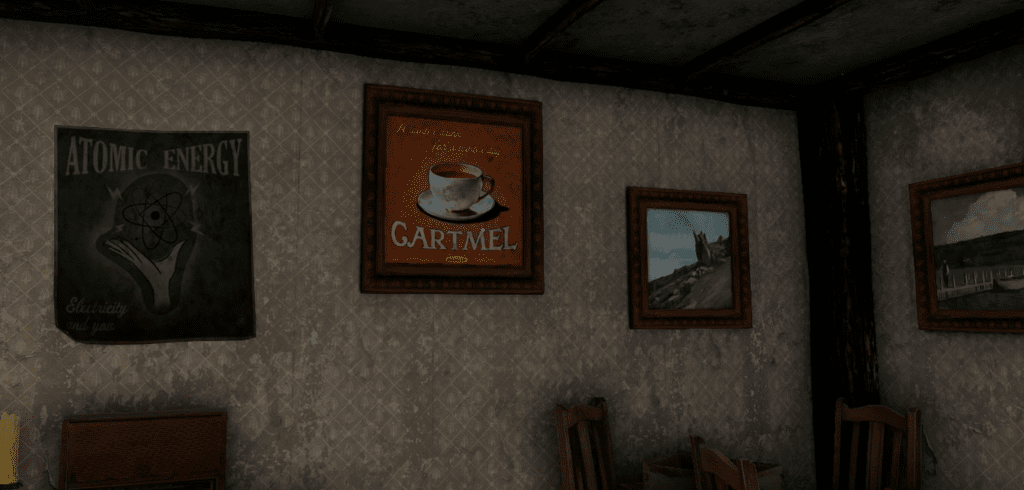
We noticed heaps of exciting little nods to our neck of the woods – from familiar place names on signs like Kendal, Cartmel and Wyndham to smaller details like foliage and shop fronts looking unmistakably Cumbrian.
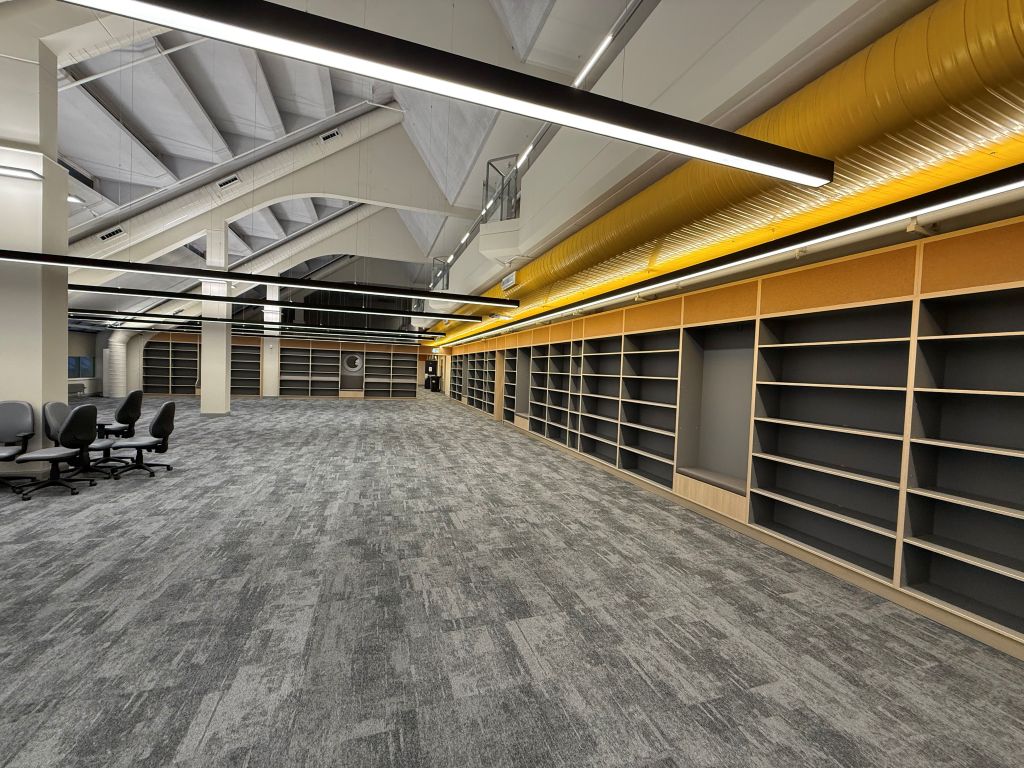
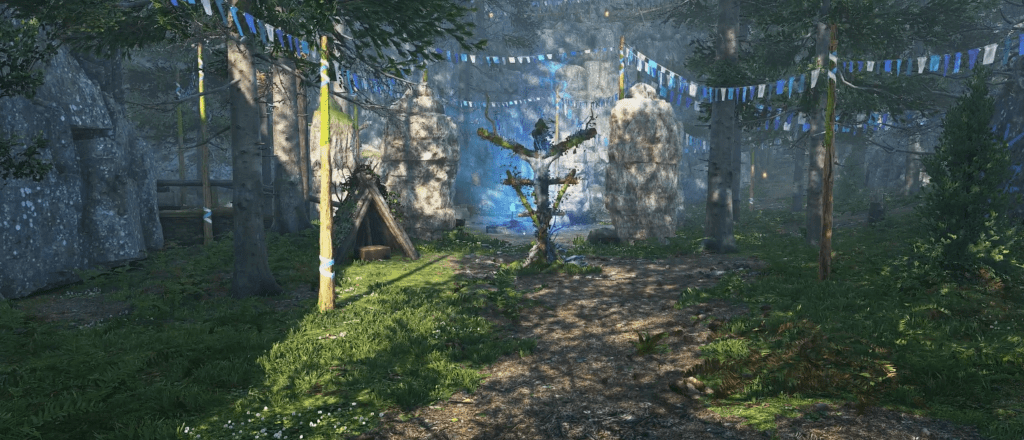
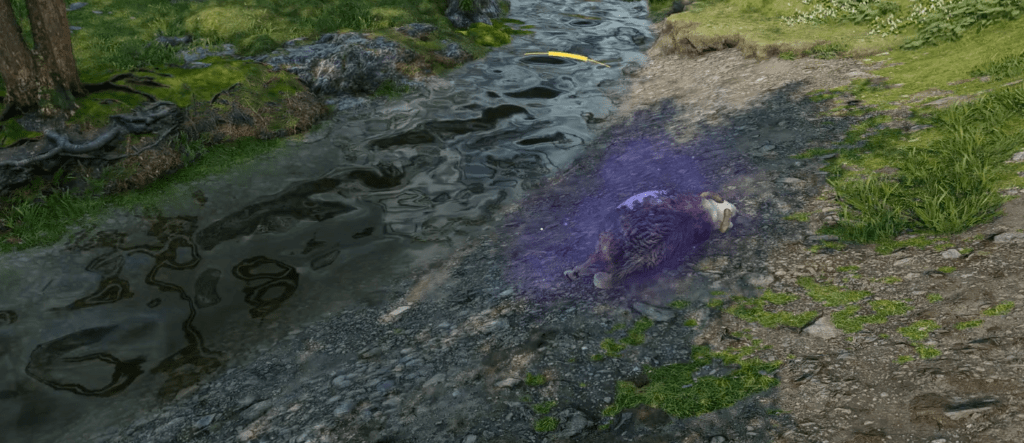
To get you in the mood for Atomfall’s release next week, we’ve pulled together a few exclusive pictures of the game from our gameplay session.
We also got to be part of a special Q & A with head of design Ben Fisher, art director Ryan Greene, and senior programmer Richard May – so we will also share some of their answers to the questions we asked about the upcoming game.
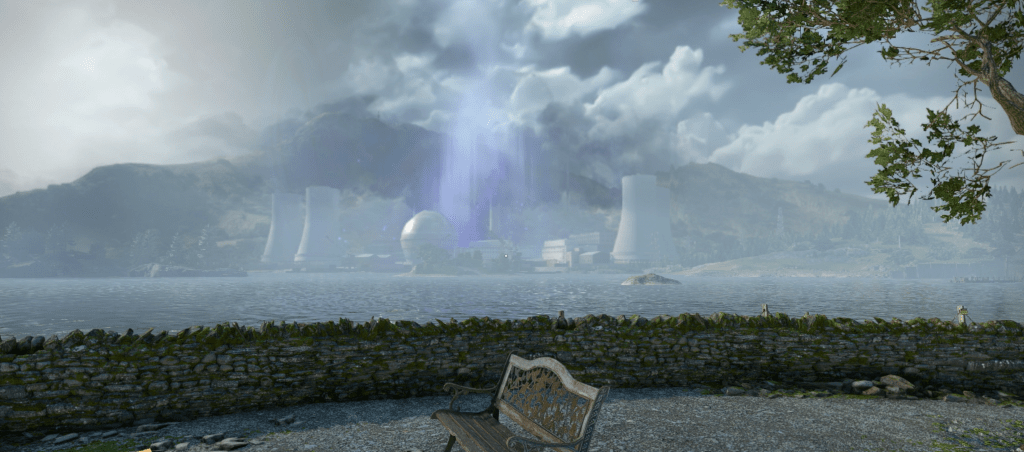
Inspired by the real events of the 1957 Windscale disaster – the game takes place five years after the fire, in a fictionalised quarantine zone.
Set five years after the fire, Atomfall, created by Rebellion, drops you into a worst-case scenario world of militarised quarantine zones, lawless valleys, farmland, fells and unnerving Wickerman-style cult settlements.
It’s a non-linear, first person game, so your goal is to play everyday detective and follow leads rather than quests to figure out what is going on and how you can escape it all.
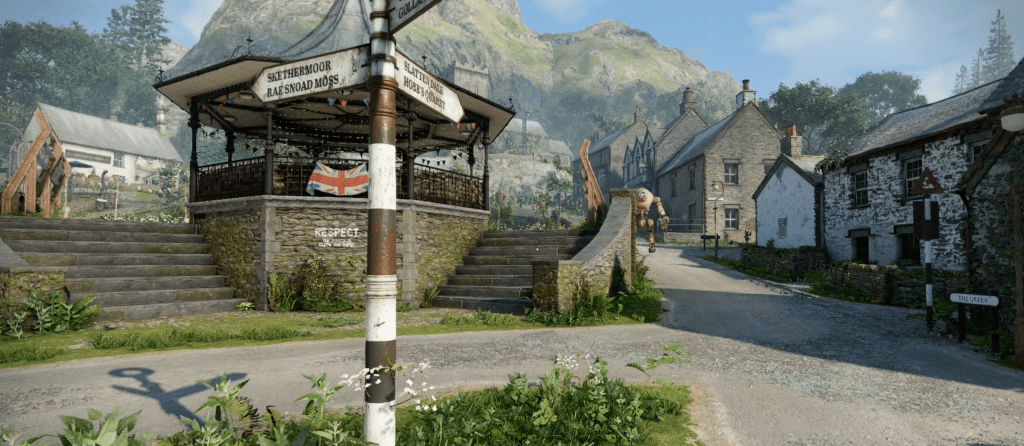
It’s important to note that Atomfall does not re-create the Lake District and West Cumbria like Grand Theft Auto does with Los Angeles.
Instead, it’s better imagined like Sellafield has been dropped on the edge of Windermere and all the towns and villages have been mashed up into a fantasy version of Cumbria and the Lake District.
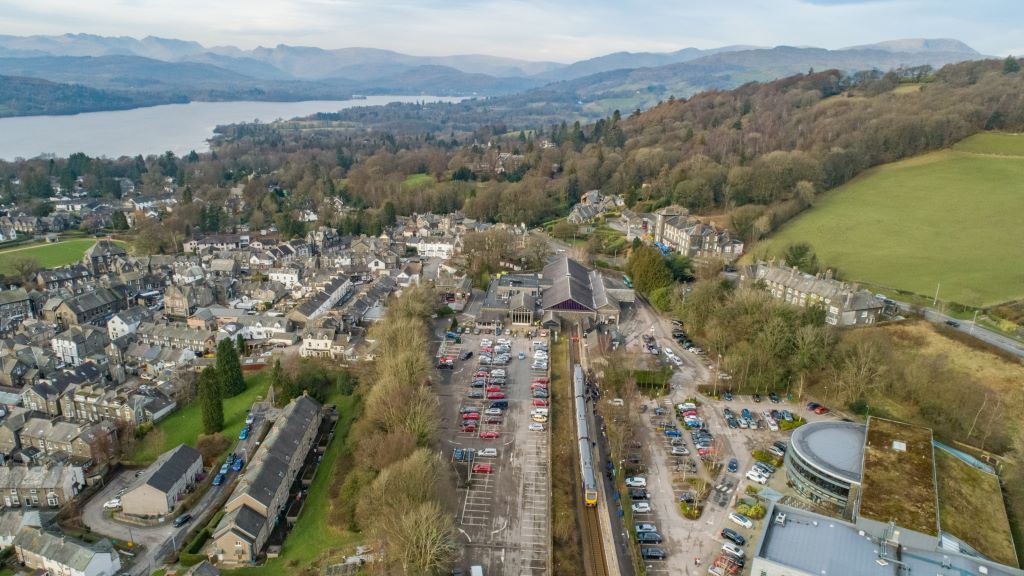
During our play through, we spent a lot of time exploring the town of Wyndham – which to us looked a bit like a mash up of Ambleside and Windermere.
Early on in the game’s development, teams were sent on several trips to the Lake District for reference gathering and ‘photogrammetry’ content.
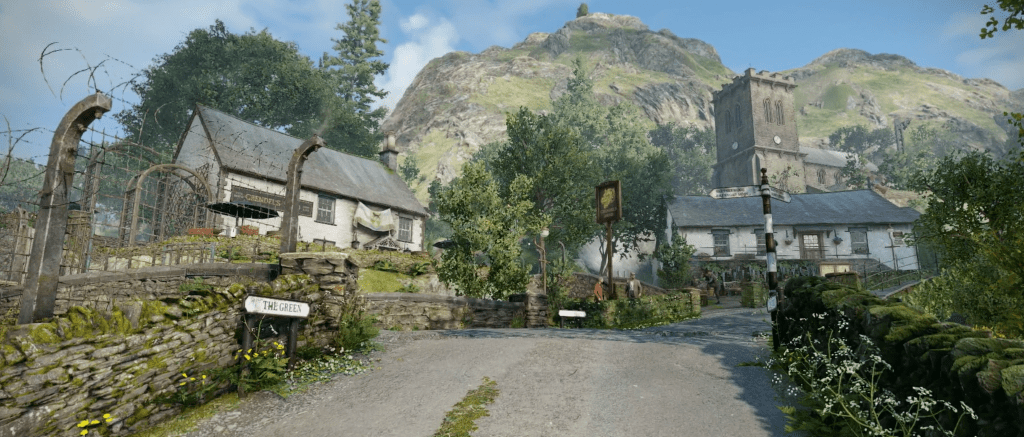
Rebellion have a full photogrammetry team made up of several photographers who are sent out to photograph objects so they can be turned into 3D in-game objects.
Richard May, senior programmer of the game, who was born in the North, said on the team’s first visit he was drafted in as tour guide having visited Cumbria several times before as a youngster.
He added: “We did a kind of potted tour of the Lake District, so we stayed in Ambleside, went over Hardknott Pass, over towards Sellafield and the plant itself.
“It was a quick tour around everything where we tried to introduce our international team to the Lake District as a whole.”
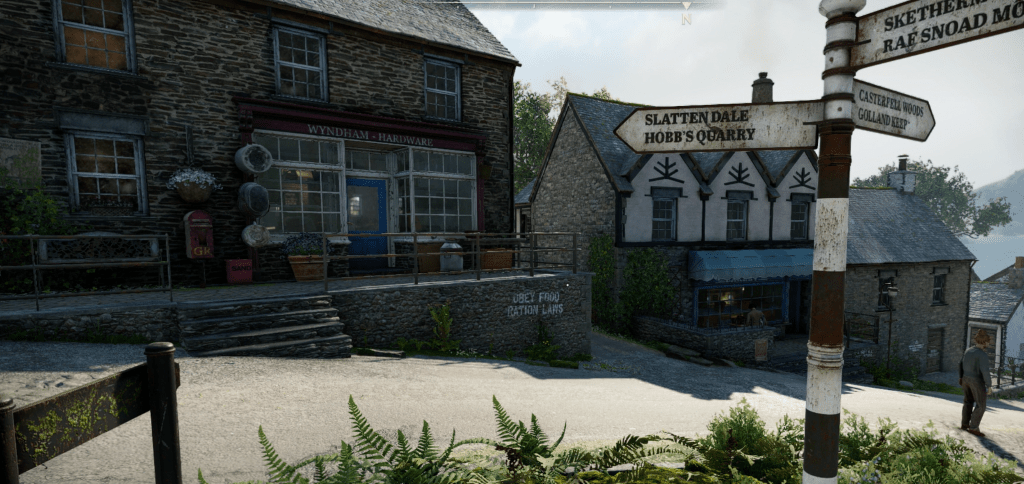
For Atomfall’s American art director Ryan Greene, the trips felt ‘exotic’ due to the Lake District’s lush greenery.
He said: “We saw a lot in the Lake District and we hit up a lot of area, we set up Coniston as our home base and we looked at there for lakeside type stuff.
“We went to Chapel Style, Townend was a big one for us, Hawkshead, Ambleside, Buttermere, Grasmere, Threlkeld, Troutbeck, Rydal Caves, The Old Man of Coniston mine workings, you name it, we pretty much saw it and did it.
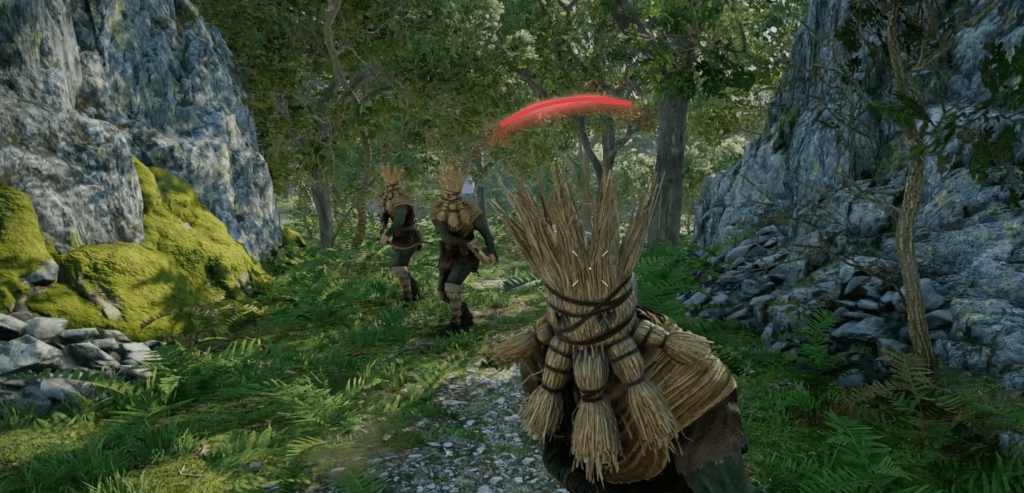
“We have a photogrammetry team and they’re a team of photographers who go and take photos of real world objects that we can go process into 3D objects and draw up in the game.
“It’s really cool for us because it gives us a nice grounding of things that actually get grabbed from reality and we obviously can build the fictionalised stuff around that and have a nice quality bar.”
The team also confirmed that alongside recognising rocks and foliage – there may also be a few more specific things like buildings that Cumbrian players may recognise.
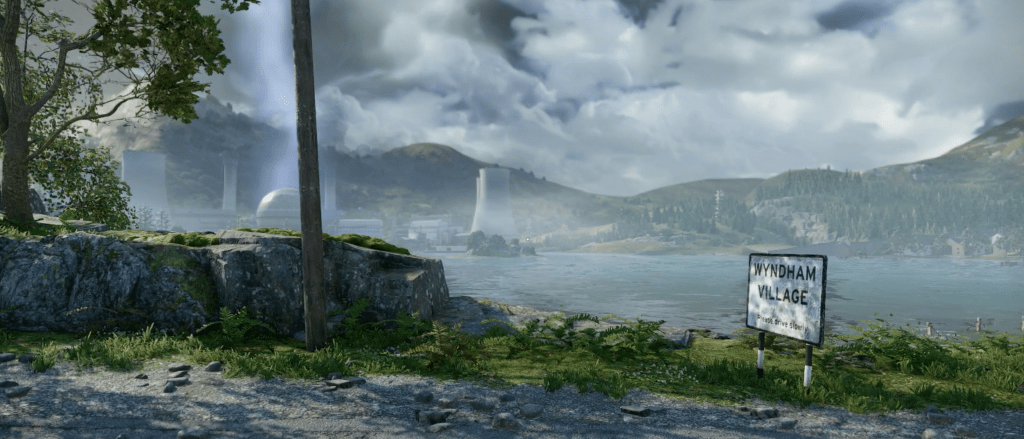
While Atomfall has been widely compared to games like Fallout – developers feel it stands out from the crowd of post-apocalyptic games thanks to its Cumbrian backdrop.
Ben said: “We tried a few different variations on weather and atmosphere in the location, so the realistic stuff is either rainy or windswept or bright, sunny and summery.
“It made it stand out a bit more from competitors where the apocalypse atmosphere is drab and weary. Going for that lush green but unpleasant land atmosphere feels like a good fit because it stands out.
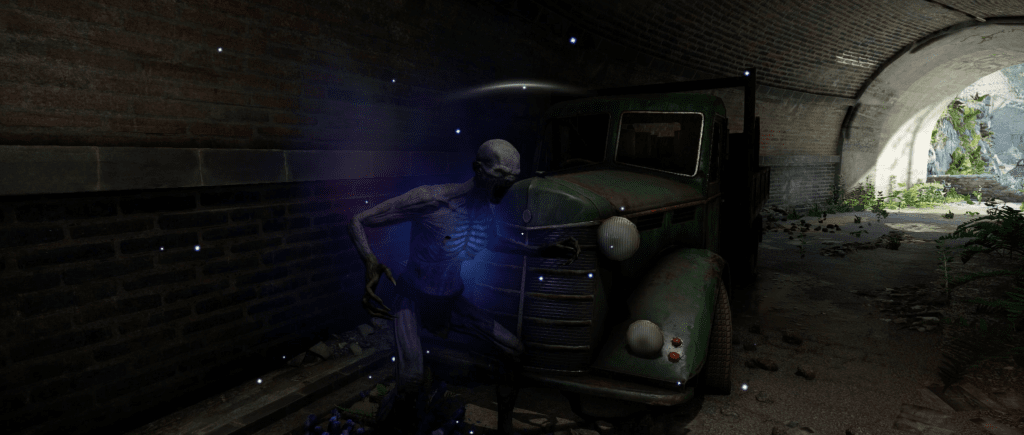
“But also, because arguably, if people were trapped in that quarantine zone in that kind of area, they would do their best to keep calm and carry on, so having that sunny atmosphere emphasises that.”
Ben added that players will be able to see a stark contrast bright, green sunny environments to dark mysterious ones in caves, dungeons, military bases, woodlands and castles.
The trio also said the decision to use the Windscale fire proved a fascinating point of inspiration for a video game.
The game is also heavily inspired by the 1960s science fiction troupe of speculative storytelling and the ‘cosy catastrophe’ where characters live business as usual amid an apocalypse.
Richard said: “The Windscale disaster story of the is perhaps one that isn’t as widely known, having grown up in this country, I think it should be. It’s the first nuclear disaster of any real scale in the world, so that was a fascinating touchstone to come back to.
“And as for what happens next its that speculative fiction and British science fiction of the fear of the unknown and science uncontained which was common in the time of 60s.”
Accent wise – the game is a mixed bag. You’ll hear Yorkshire accents, Cornish accents, typical Queen’s English accents and some vaguely Cumbrian accents sprinkled in.
Regional phrases and dialect also features in the game – but developers have confirmed speech will be widely accessible.
Richard said: “A number of times we had to explain to people the phrases to people because we’re not an all British team.

“We’ve got a bunch of people from all over the world working on the project and there were a number of times even I didn’t know the historic slang people had pulled from different places.
“We did have long debates on if we needed subtitles for that kind of stuff.”
The team also confirmed that the game will last around 25 hours in length and players will be able to explore six regions that they will be able to revisit throughout the story.
Players can also, in theory, choose to kill everyone in the game, or attempt to kill nobody, but all actions have consequences.
Getting cosy with factions is also a possibility and developers have also confirmed the game is full of hidden caves and areas for players to explore.
Atomfall will be available on Xbox game pass in 2025.
It will also be available on Xbox Series X/S, Xbox One, Windows PC and PC via Steam and via the Epic Games Store. It will also be available on PlayStation 5 and PlayStation 4.