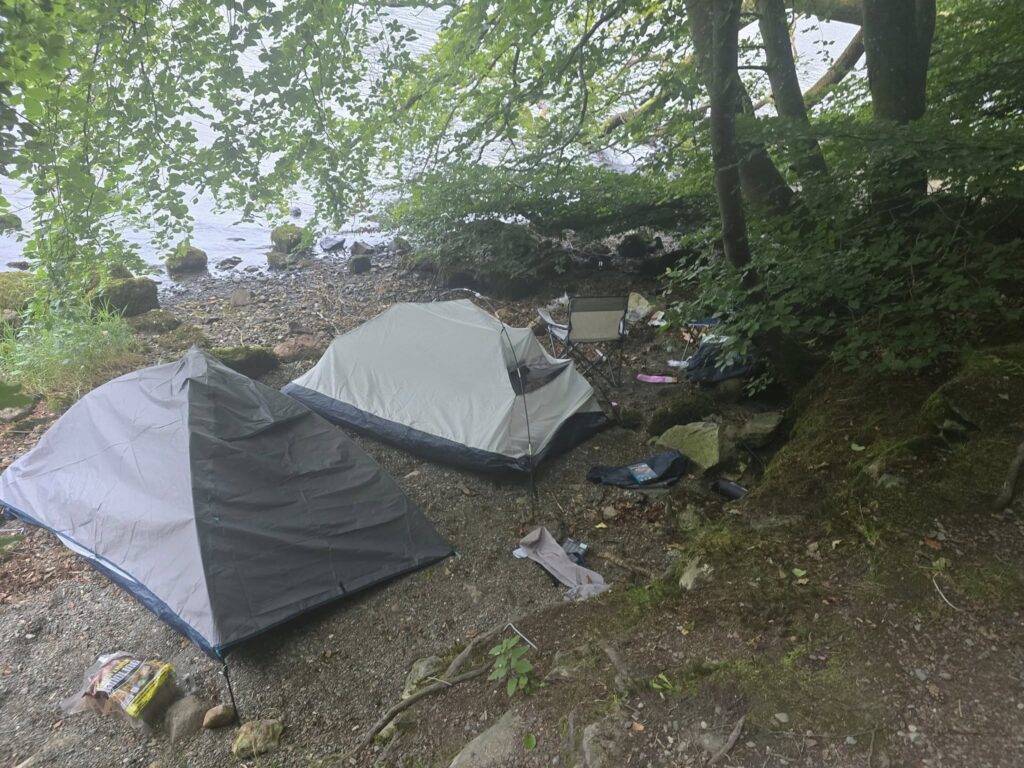
More patrols around areas known to be frequented by fly-camping and littering are to take place over the coming month.
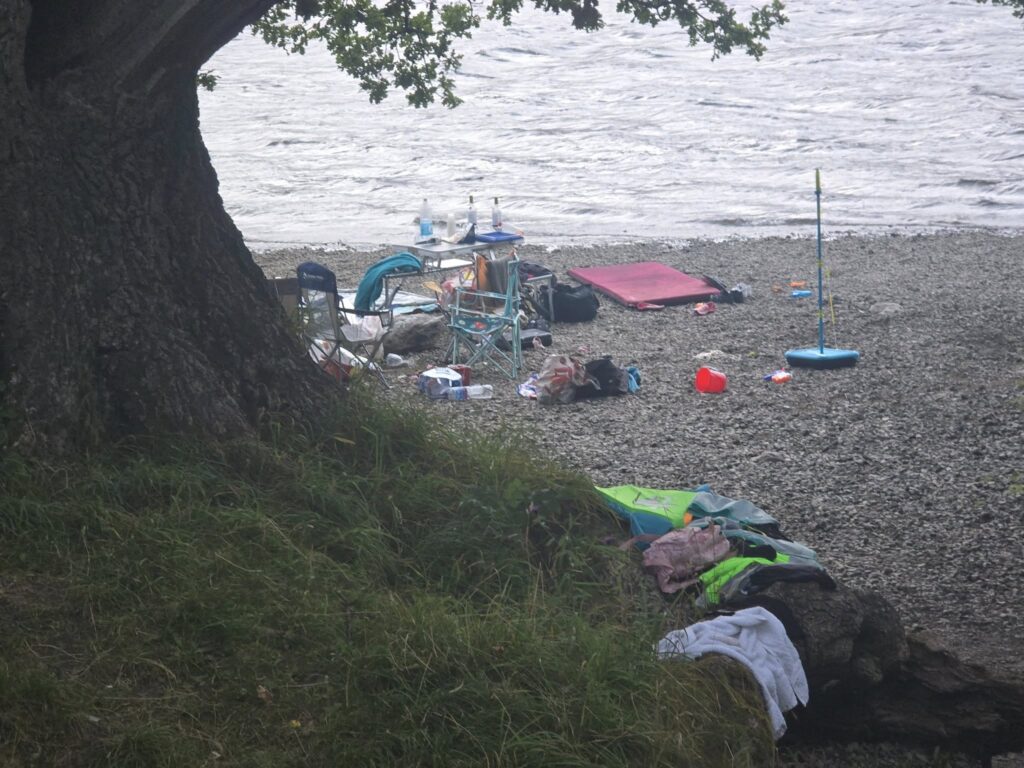
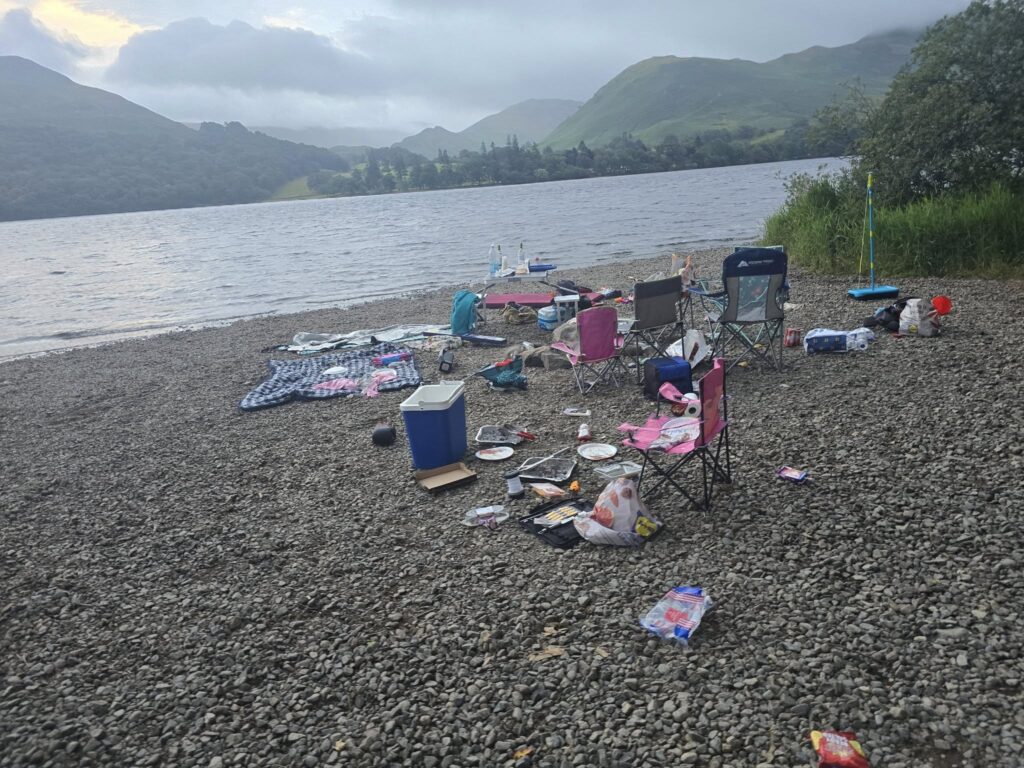
The news follows complaints at levels of debris recorded on the shores of Ullswater by a clean-up campaigner who has spent a year documenting debris left by illegal campers and others.
Fi Kennedy, of Penrith, told Cumbria Crack her regular excursions to the area have been blighted by scenes she described as ‘disgusting’.
The Lake District National Park Authority said action would be stepped up this month aimed at reducing such incidents.
“We are deeply frustrated by the incidents of fly camping and littering in certain areas of the national park,” Simon Hill, visitor management lead at Lake District National Park Authority, said.
“We’re working with partner organisations including Cumbria police, Cumberland Council, Westmorland and Furness Council and landowners like The National Trust in order to manage our responses to reports of incidents of this type.”
He added: “During August partners are conducting increased partnership patrols around hot spots where littering and fly camping is occurring.
“Representatives from Cumbria police, Lake District National Park Authority and National Trust are engaging with people to educate and raise awareness of the importance of responsible visiting.”
Cumberland Council has adopted a new order to give its civil enforcement team the power to issue fines to people caught fly camping.
“The Public Space Protection Order has been in place since November and will last three years, something welcomed by the park authority.
“We also welcome the introduction of PSPOs by Cumberland Council this year, which address anti-social behaviour,” Mr Hill said.
“The Lake District National Park Authority encourages all visitors to be respectful of our unique World Heritage Site and leave no trace when visiting the Lake District.”
While police and national park authority rangers posted on social media that they were patrolling the area Fi said the incidents occurred outside normal work hours.
“I’ve spent a year highlighting where and when these kinds of incidents are taking place yet it’s only recently that the police and crime commissioner has moved to take action which I welcome,” Fi said.
On the wider issue of wild camping the force is urging visitors to be considerate to residents and the environment.
On Saturday police will join Westmorland and Furness Council, the national park authority, Cumbria Fire and Rescue and the area’s rivers trust in holding an event where residents can voice their concerns.
“The event, Keeping Ullswater Beautiful is being held at Jenkins Field, Glenridding and aims to address concerns around fly camping, bonfires and littering,” Inspector Mo Bibby, Eden Neighbourhood Policing Team, said. ”I would encourage residents to come along and share their views.”
For clean-up campaigners action can’t come soon enough.
“I just want people to respect the area – my worry is that the national park is spending too much time thinking about the future and not enough tackling the kind of damage that’s done there today,” Fi said.
How can I leave no trace in the Lake District?
Here’s our guide to how you can leave no trace in the Lake District
What is the difference between wild camping and illegal camping in the Lake District?
And there is a difference – everything you need to know is here
What is a Public Space Protection Order?
The Public Space Protection Order is in place for three years in the Lake District.
It was introduced in November – so this summer is the first year it will be put to the test.