A group of fly-campers in the Lake District were forced to clean up their own mess.
The group, from Wigan, had illegally camped in the Ennerdale area and left a ‘significant’ amount of rubbish behind.
It was a breach of the Public Spaces Protection Order in place to safeguard the local landscape.
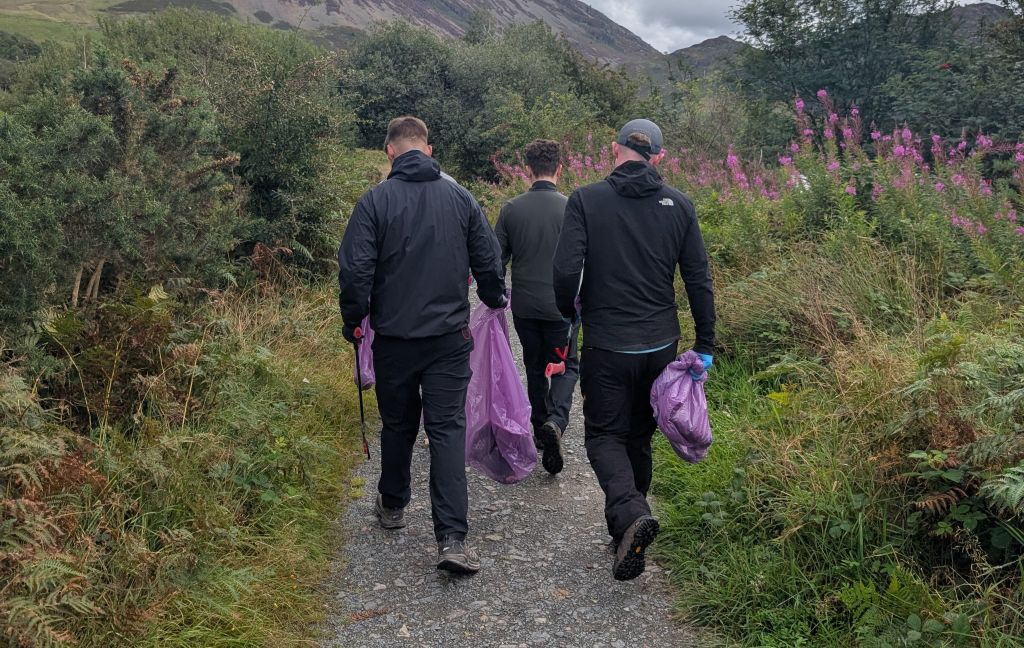
Cumberland Council said it identified the people involved and agreed to take part in a council-led clean-up operation in Ennerdale.
The authority said it was a means of taking responsibility for their actions. It added: “Those involved now have a clear understanding of the impact their behaviour had on the environment.”
The litter pick, which took place with support from council officers, involved removing waste left at the site. Cumberland Council provided equipment and arranged for the disposal of all collected rubbish.
Councillor Denise Rollo, Executive Member for Sustainable, Resilient and Connected Places at Cumberland Council, said: “We welcome responsible access to the outdoors, but damage to the environment will not be tolerated. In this case, those involved recognised the impact of their actions and took part in a clean-up effort to help put things right.
“While enforcement remains an option, our priority is always to protect the landscape and encourage people to enjoy it responsibly.
“I urge everyone to follow Leave No Trace principles and help us preserve these beautiful places for the future.”
Cumberland Council said it continued to work closely with partners, including the Lake District National Park Authority and local landowners, to uphold PSPOs and reduce the impact of irresponsible camping and anti-social behaviour.
How can I leave no trace in the Lake District?
Here’s our guide to how you can leave no trace in the Lake District
What is the difference between wild camping and illegal camping in the Lake District?
And there is a difference – everything you need to know is here
What is a Public Space Protection Order?
he Public Space Protection Order is in place for three years in the Lake District.
It was introduced in November – so this summer was the first year it was be put to the test.