
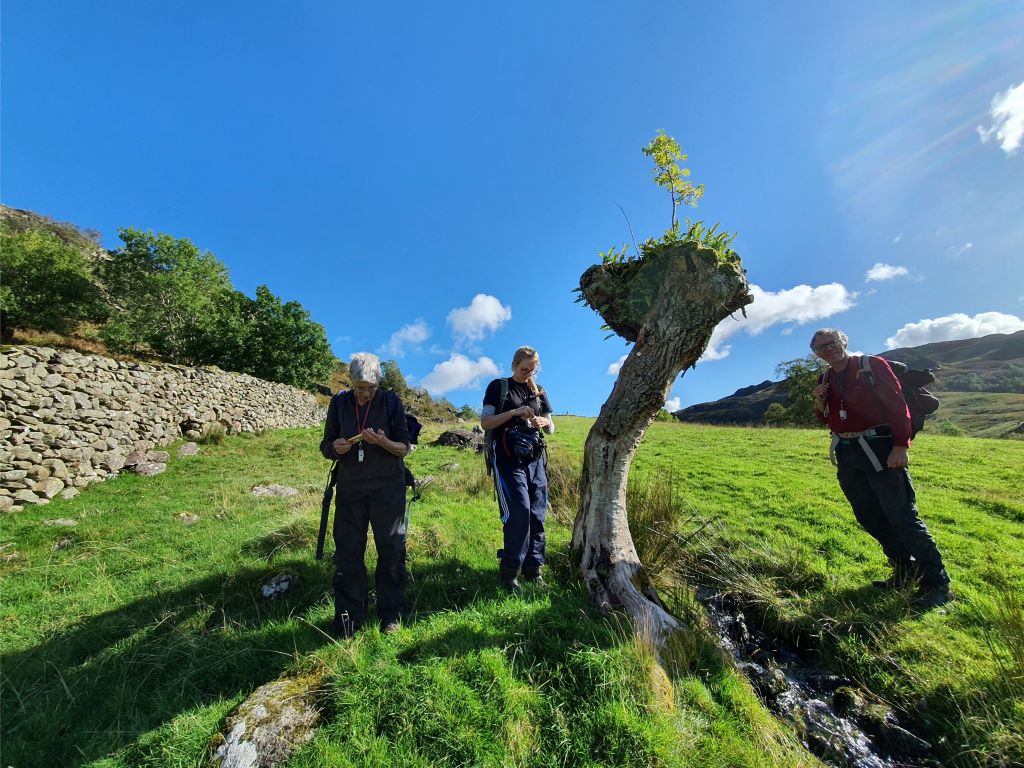
A survey of lichen in a Lake District valley has revealed it is home to species of national and international significance.
The survey, at Watendlath in the Borrowdale Valley, near Keswick, was funded by the National Trust and the British Lichen Society.
It was co-ordinated by lichenologists April Windle and John Douglass, with support from the Cumbria Lichen Group.
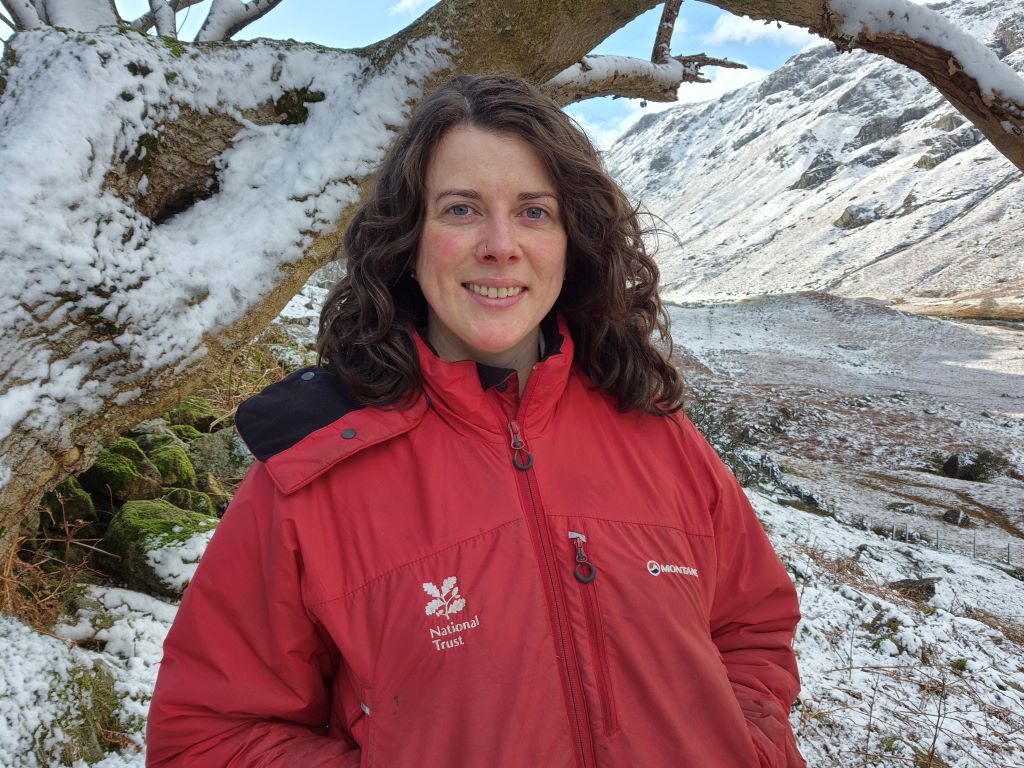
Morwenna Muir, assistant nature conservation advisor at the National Trust, said significant findings include the continued presence of Ramonia nigra, an internationally rare endemic lichen found nowhere else on Earth outside Britain and Ireland.
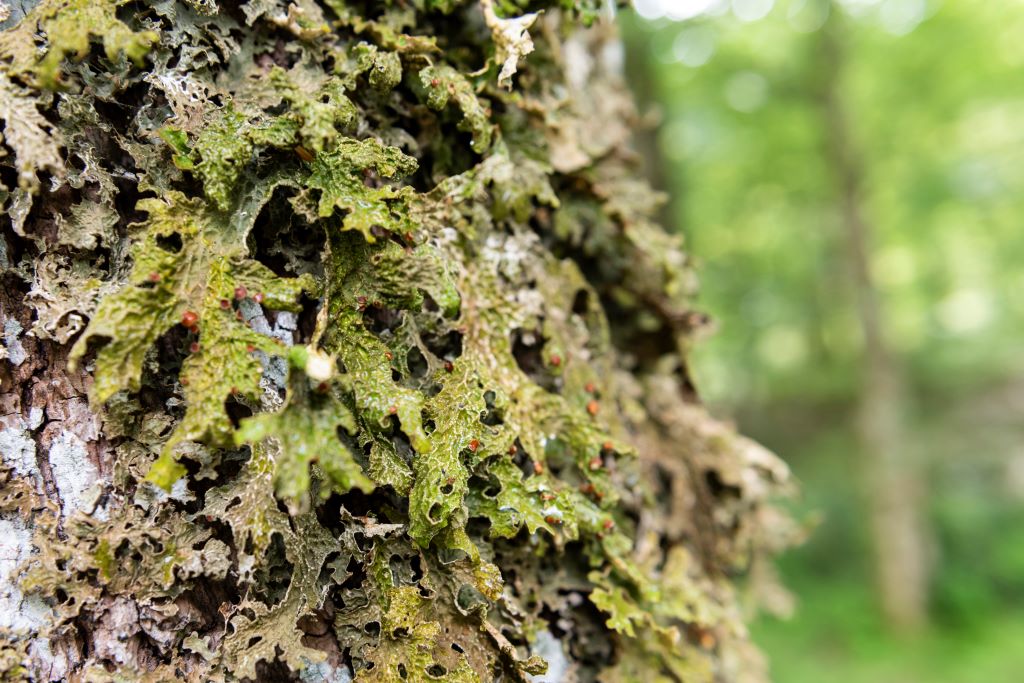
The survey recorded that the large leafy members of the Lobaria pulmonaria community were far more extensive than previously understood.
The team also documented new species, including Collema flaccidum, Bacidia subincompta and Nephroma laevigatum, and rediscovered a significant population of the classified near threatened Gyalecta flotowii, which grows exclusively on ash trees.
The richness and global importance of the valley’s lichens is partly the result of centuries-old ash pollarding, and partly because Borrowdale is a rare, rain-soaked habitat of ancient woodland with exceptionally high biodiversity. In 2024, Natural England designated the area a National Nature Reserve.
Since the early 17th century, farmers in the valley have cut ash trees to about three metres each spring, once using the branches for livestock fodder.
It has increased the stability and longevity of the ash trees, many of which are now over 300 years old. The resulting habitat has created one of the most important lichen landscapes in the world.
However, Morwenna said the valley’s lichen-rich woodlands were under significant pressure.
She said: “Ash dieback, with the loss of ancient pollards and the lack of younger trees coming through, and wider threats like air pollution and climate change all pose serious risks. Without intervention, we could lose species that are globally rare.”
In response, and with evidence of significant lichens being present, the National Trust is working closely with the tenant farmers who manage this landscape to implement tailored conservation plans.
Measures include planting the next generation of trees, woodland management and mitigating environmental pressures where possible.