

Following an unprecedented emergency appeal to secure the long term future of the school late last year, Paul and his team are forging ahead, implementing their vision for a primary education imagined.
Perhaps unsurprisingly, the word rewilding is often greeted locally with raised eyebrows, indicative of a certain degree of caution about what might follow.
After all, in its purest sense, rewilding involves people stepping back, removing themselves even, from the landscape and allowing nature to take its own course.
The Lakeland fells have been managed, to a greater or lesser extent, for thousands of years, and there are many whose livelihoods depend upon access to common grazing ground, and many more, from both near and far, who enjoy spending their time among the lakes and hills and would prefer not to have to contend with dense woodland or apex predators.
What, then, might the term rewilding mean when applied to education?
Last year, Hilary Cremin, the head of the faculty of education at the University of Cambridge, published Rewilding Education: Rethinking the Place of Schools Now and in the Future.
Cremin argues for a radical rethinking of the purpose and practices of schools today.
Rewilding in the context of education, like the environmental movement from which it takes its inspiration, emphasises a more organic, less systems-driven approach that allows for and prioritises the holistic development of children and young people.

As with much in modern Britain, the education system’s origins are to be found amongst the smoke and clamour of the industrial revolution.
Schools were designed around a factory model, and, as Cremin describes, the logic of the factory meant young people were required ‘to tolerate boring and repetitive tasks, to always be punctual … and to learn to conform to rules and regulations that are imposed on them’.
As something of a stickler for punctuality, I have no objections to encouraging young people to get where they need to be by a given time.
However, Britain today has little need for conformists willing to endure repetitive tasks.
Instead, it needs individuals who can think for themselves, solve problems, navigate conflict, and show empathy, adaptability and resilience.
For Cremin, this is best achieved through an education system that places less emphasis on standardisation and conformity, and instead creates space for children and young people to flourish as individuals, better preparing them for an unpredictable, interconnected world.
Rewilding in education also highlights the importance of the natural world and the opportunities it offers for holistic development.
As educators, we should perhaps acknowledge more openly that children learn as much, if not more, from one another as they do from their teachers, through observation, imitation and participation in collaborative activities.
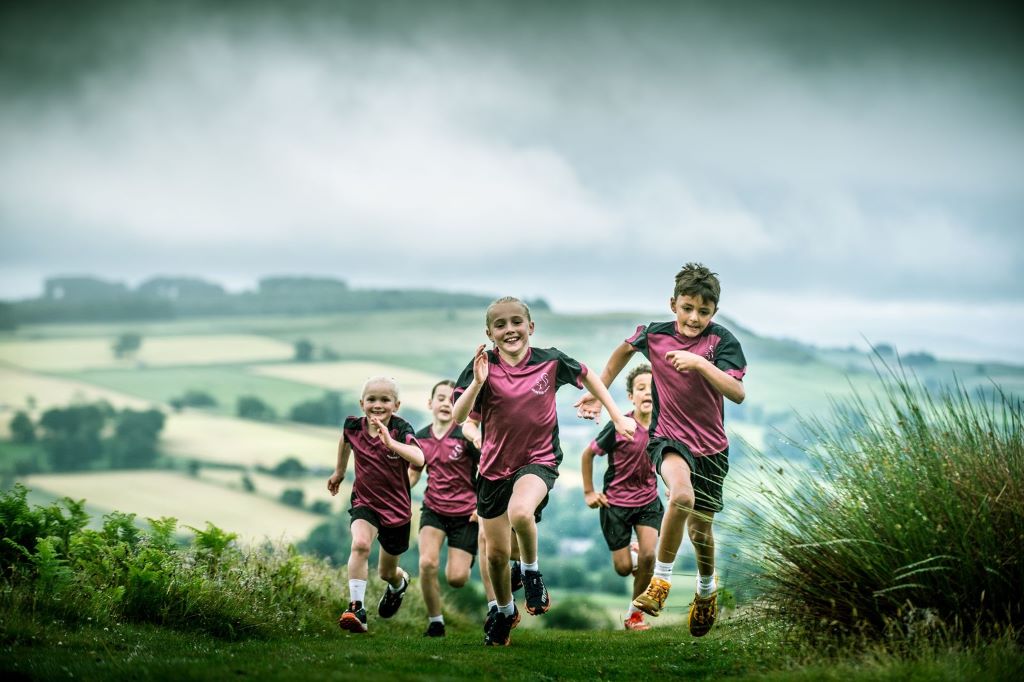
The outdoor environment offers rich opportunities for unstructured peer learning, while also providing children with the chance to connect with, and to learn to value and appreciate, the natural world.
One of the objections to rewilding the natural world is the likely untidiness of the landscapes it produces: perhaps no less enchanting from a certain point of view, but undoubtedly less postcard-friendly.
Rewilding education would similarly require a willingness to tolerate a degree of untidiness.
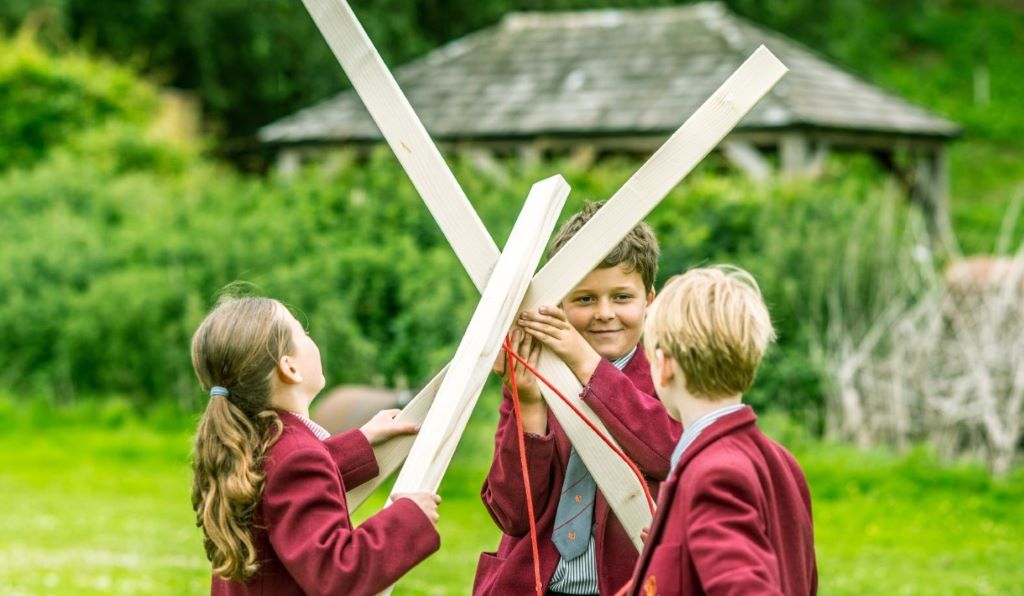
Yet in our determination to measure, standardise and regulate learning, we risk stripping it of vitality and meaning.
Rewilding education challenges us to place our faith in the richness that emerges from complexity rather than clinging to the false security of compliance, and to trust in our capacity for human growth – not as an act of idealism, but as a necessary response to a world that no longer rewards, or even requires, conformity.
To find out more about an education at Hunter Hall School visit https://www.hunterhall.co.uk