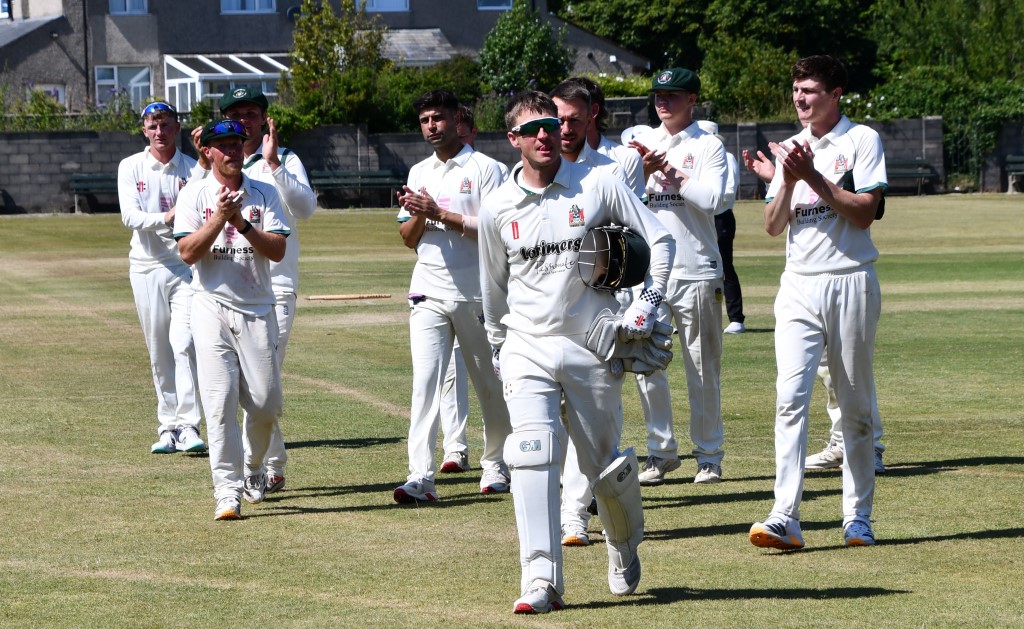
Ulverston has been mourning the loss of one of its most famous sporting sons.
Norman Gifford, who started his illustrious playing career with his hometown club and went on to play for England, has died at the age of 85.
The Giffords are a well known Ulverston family and Norman had three brothers – with only Alan now surviving. He still lives in the town.
Alan Regan, Ulverston Cricket Club chairman and family friend said: “Norman played for us until he was 16. His pal in the team was also a slow left armer and his father had got him a trial with Lancashire.
“Norman went along with him and was offered a one-year contract, I think Norman didn’t believe that gave him enough security but when he went on trial to Worcester he accepted a two-year deal.
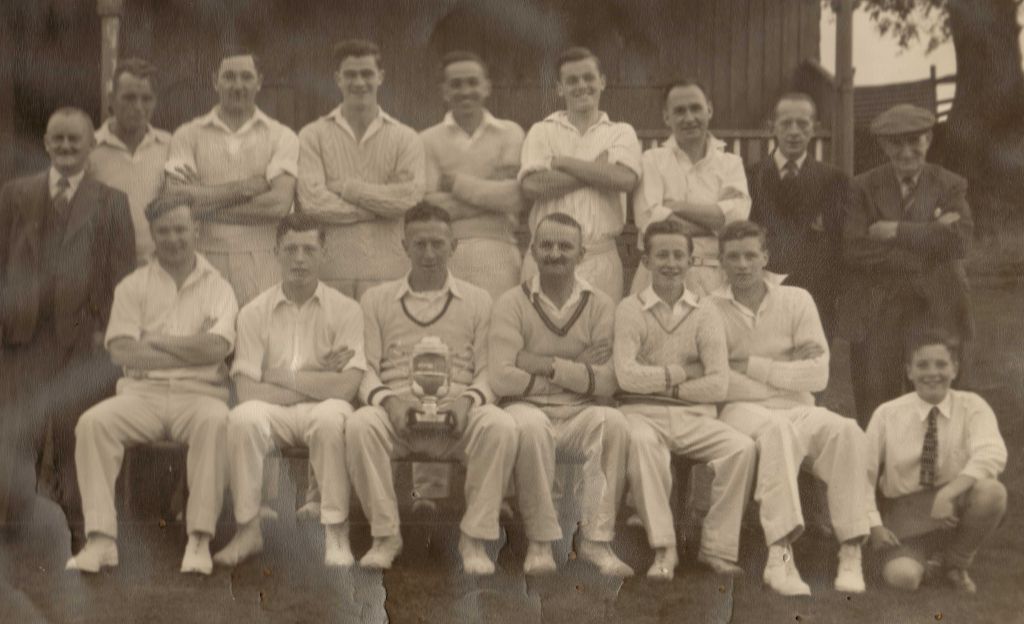
“He once told me that the only thing he had won in his early days was the Vigodny Cup playing for Ulverston in 1956 with our A team.
“But he went on to have a great career in the game.
“His brother Tom played for us as well and also for Lindal, while having a spell as professional for Morecambe.”
Gifford played county cricket for Worcestershire and Warwickshire and represented England in 15 Test matches and two One Day internationals between 1964 and 1985.
Worcestershire won the County Championship in 1964, and retained their title the following year. Gifford was instrumental in these successes, and although he reached 100 wickets only in 1964, between 1963 and 1968 he averaged under 20 with the ball every season.
He took his career-best bowling figures in July 1968 when he took 8–28 (albeit in a losing cause) against Yorkshire..
He led Worcestershire to another County Championship triumph in 1974, for which he was named as a Wisden Cricketer of the Year.
Later he played for Worcestershire’s great rivals Warwickshire, whom he joined for the 1983 season. That year he took 104 first-class wickets, the final time he was to reach the 100 mark.
Gifford continued to play for Warwickshire into his late forties, and when he retired from playing at the age of 48 in 1988, he had taken 2,068 first-class wickets.
The reduction in the amount of first-class cricket played means that he is likely to remain the last man to reach the 2,000 mark.
Never much of a batsman, he made only three half-centuries in more than 800 innings, his 7,000 runs coming at an average of just 13.
After retirement, Gifford went into coaching and became coach of first Sussex and then Durham.