A programme to help save the Arctic charr in the Lake District has been given a £690,000 boost.
The pioneering Lake District Arctic Charr Recovery & Management project is led by the Freshwater Biological Association and delivered by leading scientists, conservationists and Government agencies.
The programme will run until March 2029, gathering vital evidence to help support and target conservation actions and management across the Lake District’s internationally important freshwater habitats thanks to the cash from Natural England’s Species Recovery Programme.
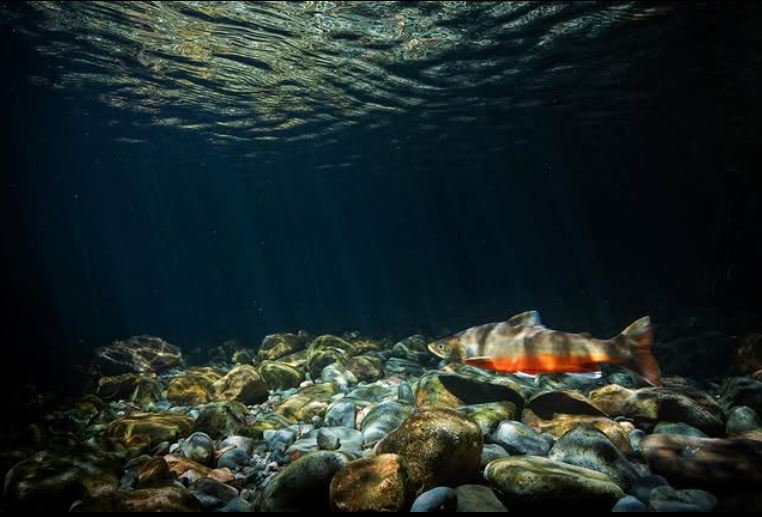
Arctic charr, often described as a living relic of the last Ice Age, are now among the most threatened freshwater fish species in England, surviving in just eight lakes.
Decades of environmental pressures, including climate change, nutrient enrichment and habitat degradation, have caused alarming population declines, particularly in Windermere, where habitat deterioration of key spawning areas and invasive fish species threaten the species’ survival.
The new phase of the project represents a critical turning point for the species, those behind it said.
It added: “The project will build upon the findings of research during the 2025/26 spawning season and will combine cutting-edge research with swift conservation planning to build a roadmap for species recovery.
“It will also provide leverage and capacity within the partnership to secure additional funding for projects focused on practical conservation action.
Key areas of focus through this new grant over the next three years include understanding the causes of decline and monitoring and assessing every population in England.
The project is a collaboration between the Freshwater Biological Association, Natural England, UK Centre for Ecology & Hydrology, University of the Highlands and Islands (UHI Inverness), University of Glasgow, Environment Agency, Lake District National Park Authority, Institute for Fisheries Management and industry specialists, alongside invaluable contributions from local fishers and communities.
Tony Juniper, chair of Natural England, said: “For decades Natural England’s vital species recovery work has revealed how even the rarest of the rare can be brought back from the brink. The red kite, lady’s slipper orchid, pool frog, beaver and large blue butterfly are among examples that demonstrate the many opportunities at hand and what can be achieved for nature and wider society.
“We know that good science and effective partnerships can help restore species to favourable status, and this funding will enable us to support many initiatives to help halt and reverse the decline of our wonderful wildlife.”