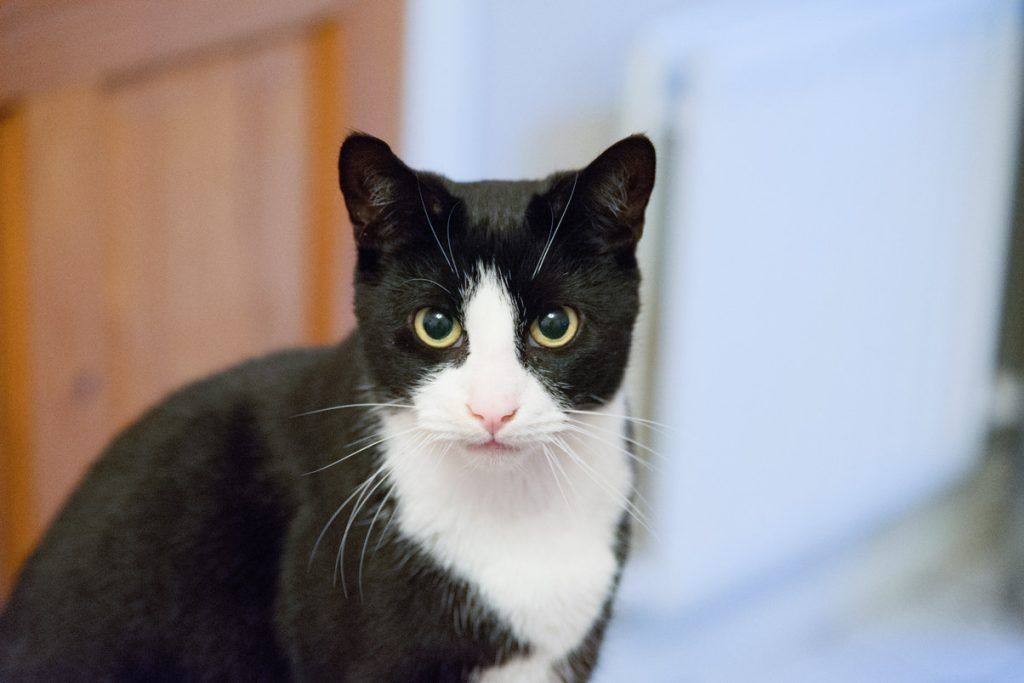
One of the few things I praise my masters for is that they do give me nice things to eat. None of your cheap own brands supermarket rubbish, but good wholesome fish and meat dishes – remember, cats are carnivores – supplemented by however many Dreamies I can sneak and the odd wild bird of mouse/vole when I am feeling energetic.
However, for humans, the choices are much less straightforward.
There is the usual argument about meat v vegetables, or, as someone in the pub said last week, “proper food versus rabbit food, and even within each side, there is the red meat v white meat debate, is processed foods okay, and just how much kale do you have to shovel before you get the benefits of selenium? (No, I don’t what that is either).
A couple of weeks ago, yet another academic paper was published that said you could actually eat your way to fitness by following a Mediterranean-style diet. Really?
Let’s get the geography out of the way: Cumbria as a long way from the Mediterranean. However much I love our coastal towns, none can compete with Port-Vendres in the south of France, for anchovy and even with the moderate climate of the south Cumbrian peninsulas can we compete with Istria/Tuscany/Andalusia for olive oil.
We do, however, have the finest lamb regardless of what New Zealand might say, or the best pork products, or the best sticky toffee pudding, none of which can, even in the wildest dreams of Cumbria Tourism be described as Mediterranean. But I digress.
Over the years academic paper after academic paper has espoused this diet or that. Then we have Mr Atkins who ditched carbohydrates but, fatally, didn’t ditch jogging on icy New York streets.
Then we have the South Beach Diet which says you stave off hunger before it starts by eating lean protein, low fat dairy and good carbs, or the Zone diet as embraced by the likes of Jennifer Aniston but maybe not all her ‘friends’!
Finally, we have the Paleo and Keto, where proteins rule and you can eat as many eggs as you like and then spend a week trying to go to the toilet!
Over the years, red wine has been in favour and then out. Those Latin cultures that border the Mediterranean have long enjoyed a glass of red with their meal, just the one though, not the whole bottle. The medical arguments range from beneficial, as it contains antioxidants that assist in keeping the heart healthy, to the unhealthy, as it may be a factor in strokes, vascular disease and some cancers.
Then there are the so-called superfoods. Just how much Swiss chard or kale can, or indeed, WANT to eat? Berries are good for you and while you can’t forage for cranberries in Cumbria, the lanes near Cumbria Crack Towers are loaded, in September, with blackberries, or blackites as we call them.
Eggs are back in favour having taken a while to recover from Edwina Currie and the salmonella controversy, and we are encouraged to eat plenty of lentils and other pulses.
Pleasingly for the Cumbrian, ginger is considered a superfood which is great news for Grasmere and their famous gingerbread, but, in true Peter Kaye fashion, traditionally, garlic has never been a favourite of the Cumbrian especially when it comes to the post prandial kissing.
However, the Cumbrian can source fresh mushrooms, seaweed and salmon, the latter best poached (“would sir like his poached salmon baked?”).
But the bottom line for all these diets and superfoods is eat widely, ensuring you have sufficient nutrients, and in moderation.
So, here goes the typical Cumbrian meals:
Breakfast: Stolen from across the border – porridge maybe drizzled with a little wildflower honey from Irthing Vale with a cup of English breakfast tea.
Lunch: Pork pie with an accompaniment of pickled red cabbage and one of the brilliant range of chutneys produced here in our fine county with a bottle of Cumbrian brewed ale (or a glass of dandelion and burdock if driving).
High tea (as opposed to ‘tea’ the meal eaten in early evening- see below): a slice of carrot cake and a green tea.
Tea: Lamb cutlets with new potatoes from Bootle, mint sauce from the garden, some spring greens and glass of wine (regrettably not yet Cumbrian but with climate change, who knows what the future of Cumbrian viticulture may be).
Supper (that stolen snack just before bed): six Dreamies.
The latter, of course, is just for me. Enjoy.
About Cumbria Cat
Born in Cumberland and, now, back living in Cumberland, having spent most of the past 50 years in some place called Cumbria, this cat has used up all nine lives as well as a few others.
Always happy to curl up on a friendly lap, the preference is for a local lap and not a lap that wants to descend on the county to change it into something it isn’t. After all, you might think Cumbria/Cumberland/Westmorland is a land forged by nature – the glaciers, the rivers, breaking down the volcanic rocks or the sedimentary layers – but, in reality, the Cumbria we know today was forged by generations of local people, farmers, miners, quarriers, and foresters.
This cat is a local moggy, not a Burmese, Ocicat or Persian, and although I have been around the block a few times, whenever I jump, I end up on my feet back in my home county. I am passionate about the area, its people, past, present and future, and those who come to admire what we hold dear, be it lakes and mountains, wild sea shores, vibrant communities or the history as rich and diverse as anywhere in the world.