
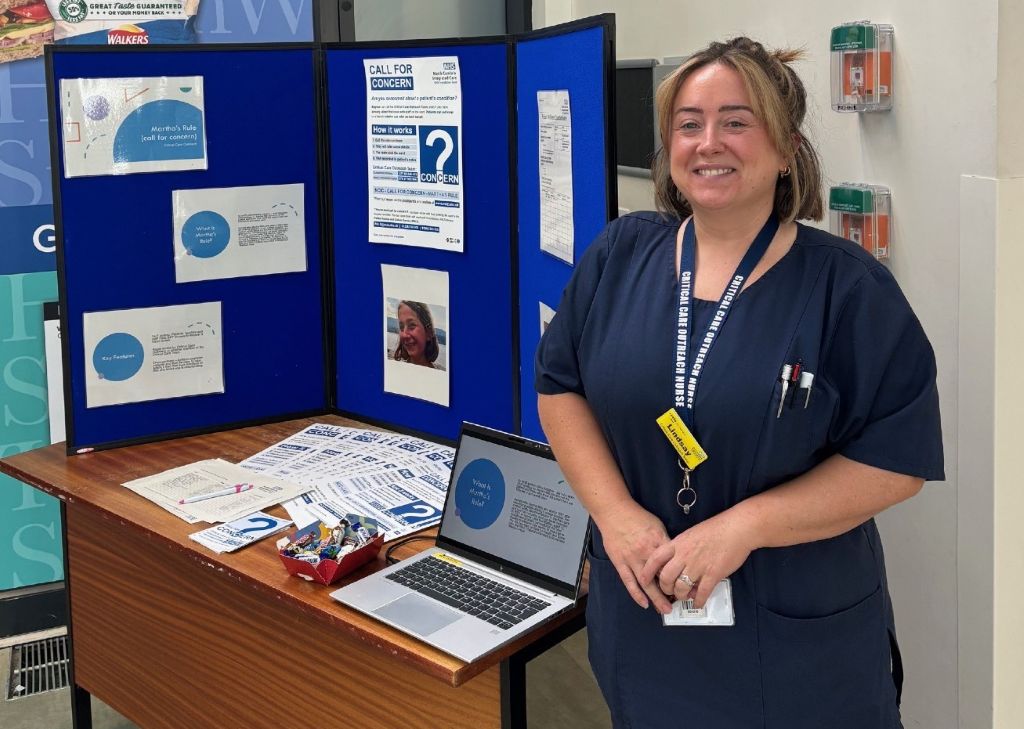
Health chiefs have announced that Martha’s Rule has been rolled out across all wards at Carlisle’s Cumberland Infirmary and the West Cumberland Hospital in Whitehaven.
It means patients and their families concerned that they are deteriorating while in hospital are now able to request a review from the critical care team.
Thirteen-year-old Martha Mills died in 2021 after developing sepsis in hospital. Martha’s family’s concerns about her deteriorating condition were not responded to, and in 2023 a coroner ruled that Martha would probably have survived had she been moved to intensive care earlier.
At the Cumberland Infirmary, people can call 07769 248 453 and at the West Cumberland Hospital the number is 07827 983 964 if they feel their or a loved one’s condition is deteriorating. The call will be answered by the critical care team who will arrange for an urgent review.
Teams have also introduced a patient wellness questionnaire, designed to spark meaningful conversations about how patients feel their treatment is going, if they feel they’re improving, and if they have any concerns.
The questionnaire stays with the patient from the point of admission and each day a healthcare professional will ask the questions to determine if the patient is feeling they are improving.
If a patient, family member, loved one or any other member of staff feel a patient is deteriorating and feel the patient would benefit from a clinical review, they can call the Critical Care Outreach team.
Call for Concern was initially piloted on four wards before being rolled out to all wards.
Lindsay Twentyman, Critical Care Outreach nurse, said: “On a busy ward, it’s easy for subtle changes in a patient’s condition to be missed.
“These questionnaires give us a structured way to check in, listen, and act. We also know that family and friends know their loved ones best and can spot signs of deterioration quickly, giving them access to another way to escalate concerns has been received really well.”
Estelle Hodges, ward manager on the coronary care unit, said: “We were one of the initial pilot wards and have had some really positive feedback to the wellness questionnaires, patients are clearer about their management plan, which is designed to get them well and back in their own homes.
“They are a couple of really simple questions, but they often spark a bigger conversation.”
Jon Sturman, consultant anaesthetist, said: “Call for Concern gives a voice to patients and their loved ones, we know families know their loved ones better than anyone, they can spot when something isn’t right in ways that even experienced doctors might miss.
“It’s ultimately another method of escalation, where concerns are highlighted and responded to, which can only make the care we provide safer for everyone.”