The remains of 66 people, discovered during construction of the Kendal Flood Risk Management Scheme, will be reburied this bank holiday weekend.
The 66 individuals — including adults, children and infants — were found clustered around the edge of the churchyard at holy Trinity Church, hidden beneath a boundary wall for up to 900 years.
The remains will be brought to the Bellingham Chapel at Holy Trinity Parish Church tomorrow, Friday May 22, and visitors will be able to find out more about the town’s oldest recorded residents and pay their respects over the weekend ahead of a private interment takes.
Eight caskets containing the remains will be in the chapel, open to the public on:
- Saturday May 23, from 9am to 4pm
- Sunday May 24, from 12.30pm to 4pm
- Monday May 25, from 9am to 4pm
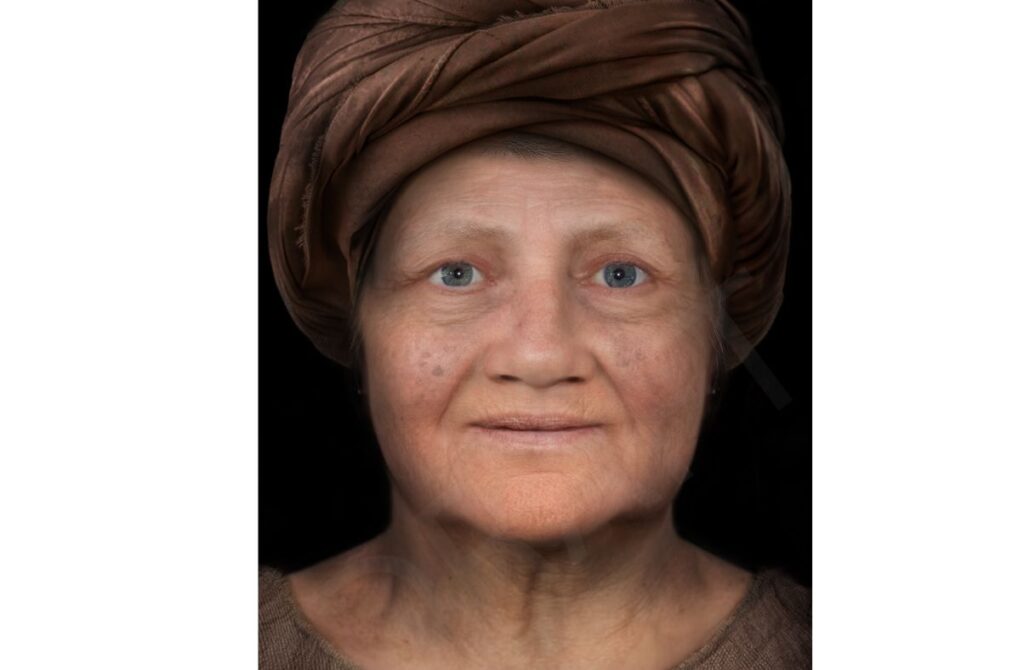
One woman’s skull survived in good enough condition for scientists at Liverpool John Moores University to create a facial reconstruction.
Following a public vote, she was named Agnes — The Kendal Woman.
She is thought to have been around 50 years old and to have lived and worked in and around Kendal throughout her life in the 1200s.
A simple plaque in the church will remember Agnus and all 66 individuals whose stories have shed new light on Kendal’s past.
Radiocarbon dating of the remains confirmed they are medieval, dating from the 11th to 13th centuries, and provided new evidence that a place of worship existed on the site of the parish church earlier than any previous records showed.
Steve Dean, Environment Agency Senior Historic Environment Advisor said: “The incredible work of our archaeologists at Holy Trinity Church has opened a small window onto everyday life in medieval Kendal. But the icing on the cake is Agnes.
“Rarely do we come face to face with our medieval forbears. She is someone we can relate, she has a story we can understand, and I look forward to hearing more of it after all of the detailed archaeological research has come to an end.”
The Rev Canon Shanthi Peiris said: “It has been humbling to discover something about the lives of those who were members of the church family here so many years ago.”
Kendal mayor Richard Sutton added: “It is good to know that the medieval remains shortly to be reinterred at the parish church are being treated with the utmost dignity and respect, after being disturbed by essential flood work.
“These findings provide a tangible link to our town’s past. We are committed to honouring this history.
“While improving our town’s flood defences it is crucial we respect the historic fabric of Kendal, including its former inhabitants.
“Thanks are due to the archaeological team for their careful work in documenting this important discovery.”
When completed the Kendal Flood Risk Management Scheme will better protect 1,920 homes and 2,250 businesses from the impact of flooding.