A new strategy to manage deer populations in the Lake District has been launched.
The Lake District National Park said over the last century populations had grown significantly and rising numbers presented significant environmental and land management challenges.
It said deer could cause serious damage to woodlands and sensitive habitats, as deer browsing and trampling prevents trees from regenerating, damages soil structure and reduces biodiversity.
High deer densities were also linked to increased road traffic accidents, damage to crops and gardens, and the spread of ticks that carry livestock and human diseases, it added.
The new five-year strategy is one of the first in the country for a national park.
It has been developed by Lake District National Park Authority, Natural England, Forestry Commission, Forestry England, North Lakes Red Deer Group, Cumbria Connect, National Trust, and United Utilities, aims to manage the population.
it includes the introduction of a Lake District wild venison brand, currently being developed by the national park and partners, to ensure meat sourced through responsible population management is sold locally as high quality, traceable produce and to strengthen local supply chains, support sustainable land management, and give consumers confidence in the origins of the venison they buy.
It said culling was an integral part of deer management.
The strategy says: “Non-lethal methods of deer management, such as fencing and deterrence, are limited in their scale and effectiveness, and alone they cannot currently control deer populations at landscape-scale.
“However, the wild deer strategy encourages the use of these methods alongside culling as part of an adaptive management approach, which is data and evidence-led, impact-focused and proportionate.
“A key part of the five-year action plan is to support training of deer management and processing skills for local deer stalkers, deer managers and farmers.
“Humane control of deer management has been pioneered by training led by the British Deer Society, and the training involves best-practice guidance, an understanding of biology and behaviour, use of appropriate tools and a commitment to minimise suffering.”
Wild deer are not officially owned, and they are free to roam across the landscape, unless impeded by deer fencing, railways or roads.
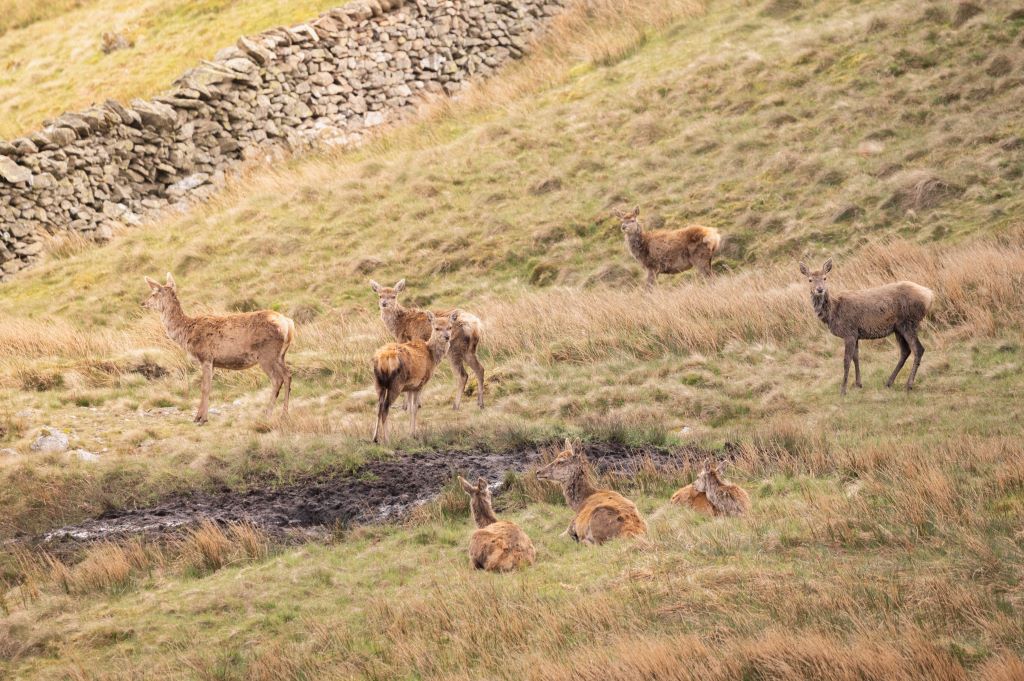
There are five species of wild deer in the Lake District National Park.
Red and Roe deer are regarded as native species; while Sika and Fallow deer – often referred to as naturalised – are classed as introduced species and their distribution is considerably less and restricted to the central and southern areas of the Lake District.
Muntjac deer, introduced into the UK from China in the 20th century are increasingly observed in the Lake District and Cumbria.
Lake District bosses said the new strategy promoted evidence-led, collaborative and adaptive management, bringing together landowners, environmentalists, deer stalkers and deer experts to protect the landscape while safeguarding the welfare of deer for the future.
Land managers in the Lake District would work towards regulating deer populations at sustainable levels, it added.
The strategy aims to:
- Share clear, joined-up messages that help build understanding and awareness of deer management across the Lake District.
- Support closer working between Lake District landowners, farmers, deer managers and stalkers to deliver deer management at a landscape scale, enhancing skills and infrastructure where needed.
- Strengthen the local evidence base by sharing knowledge, research and practical techniques across the Lake District, including tools such as drone surveys and ground impact assessments.
- Bring together local experience and scientific evidence to support a flexible, practical and impact-focused approach to deer management.
- Support the growth of a strong local venison market by encouraging initiatives that promote Lake District venison to the highest standards of welfare and quality.
You can read the full Lake District Wild Deer Management Strategy on the Lake District National Park Authority website: https://lakedistrict.gov.uk/deer-strategy/
A Lake District wild venison brand is currently being developed by LDNPA and partners,