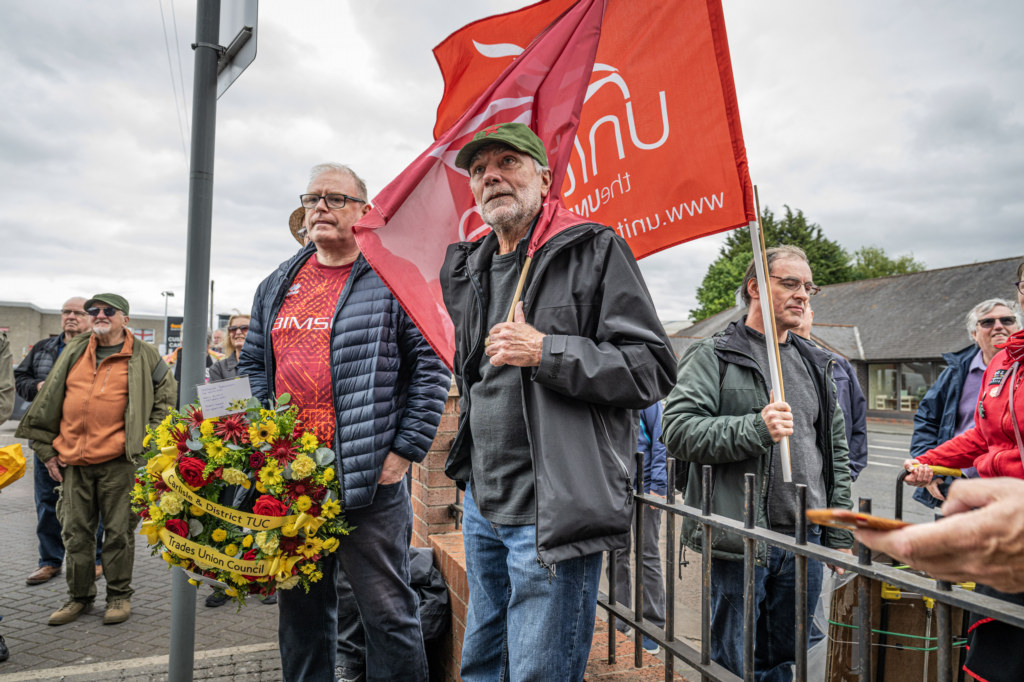
A commemorative walk from Carlisle Town Hall this weekend shone a light on a little-known chapter of the city’s history, writes Chris Jones.
The Shaddongate Bicentennial Remembrance Walk took place yesterday, Saturday, June 6, marking 200 years since the 1826 election riot, during which three local residents were killed by soldiers and a fourth later died from injuries sustained in the unrest.
The 1826 protest, driven by widespread poverty and demands for greater democratic representation, occurred at a time when only around five per cent of Carlisle’s population was eligible to vote.
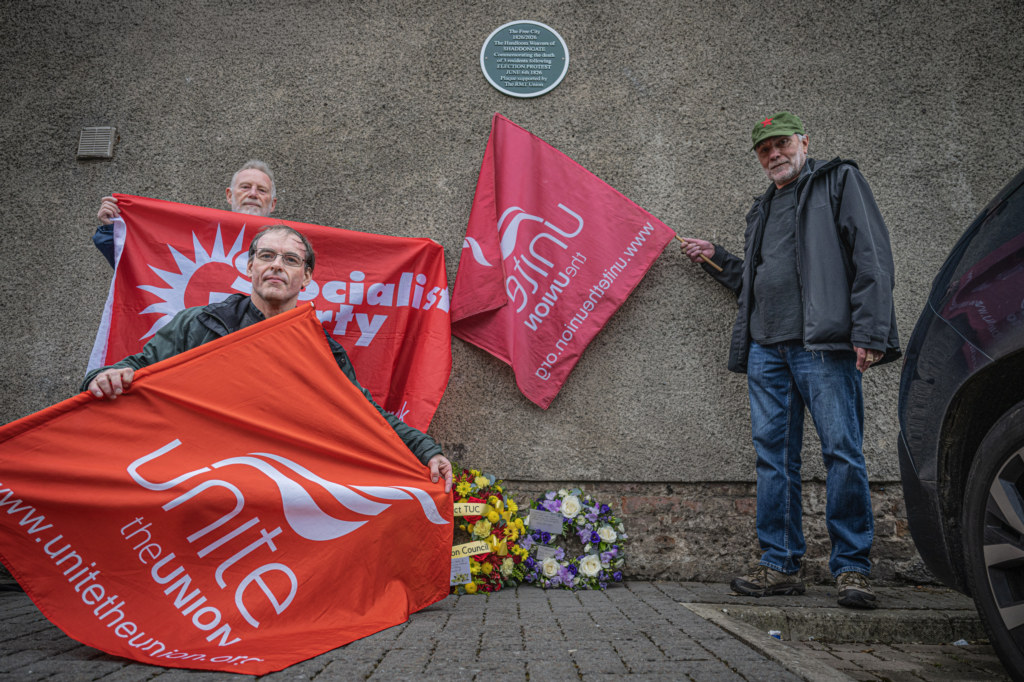
A green commemorative plaque was unveiled instead of the usual blue because newspaper reports at the time said green flags were raised above the Free City of Shaddongate.
Mark Cosello, of Effectiveness Communities, described the incident as a tragic example of political power being used against ordinary people.
He said: “The protest, about poverty and democracy, ended with four people being shot.
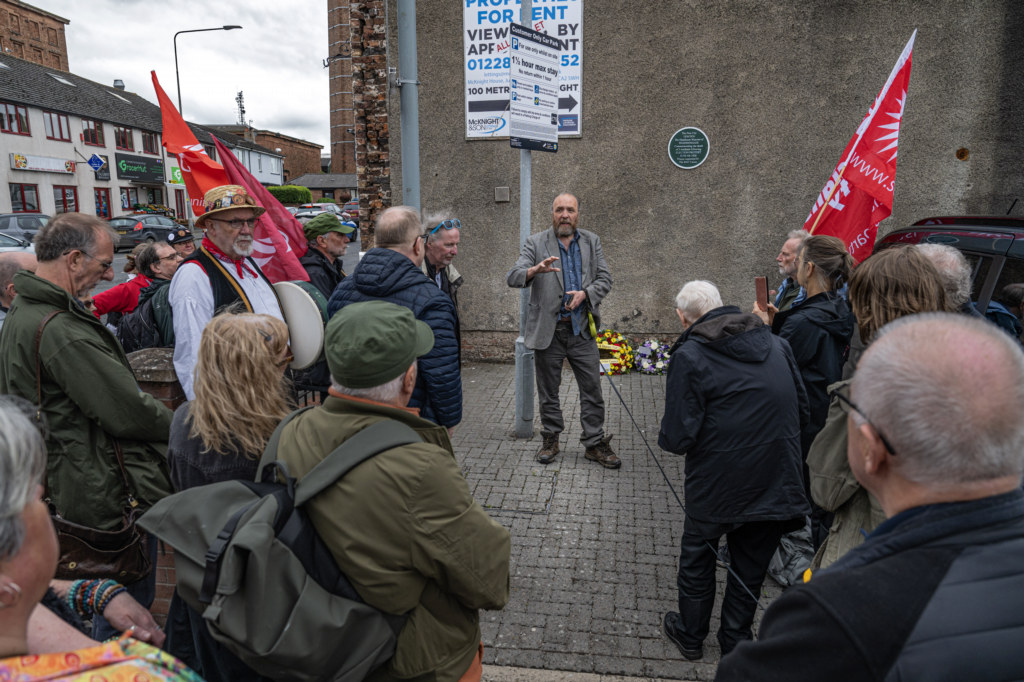
“It was a misuse of power by the political classes and remains unacceptable today.”
The unrest began when prospective Tory parliamentary candidate Sir Philip Musgrave visited Shaddongate to canvass support from one of the area’s few eligible voters.
At the time, Shaddongate was home to many handloom weavers, including Scottish and Irish migrants, who were facing severe economic hardship and soaring food prices.
Musgrave, who opposed the repeal of the Corn Laws and was known for his anti-Irish and anti-Catholic views, encountered strong opposition from residents frustrated by poverty and political exclusion.
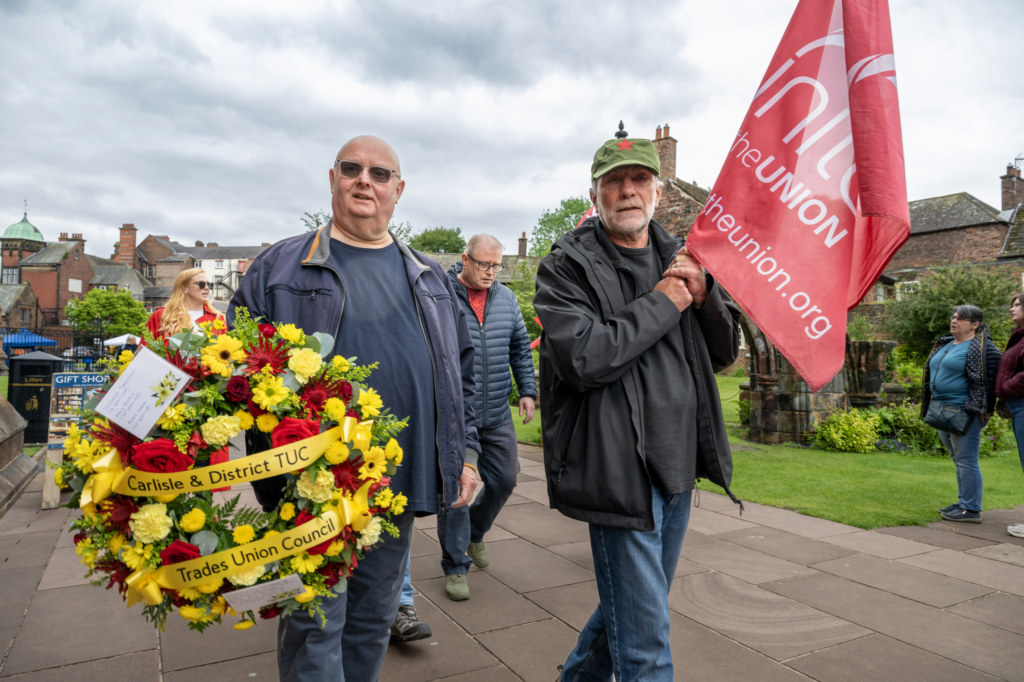
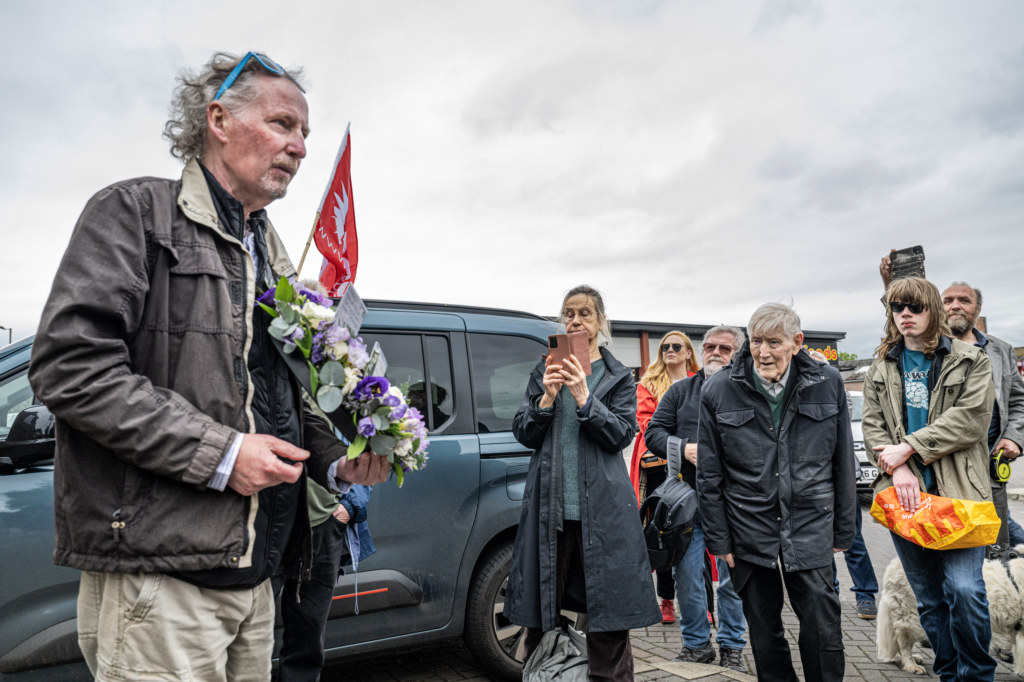
Among those attending the event was Dr David Gordon Scott, chairman of the Weavers Uprising Bicentennial Committee, which has been working to raise awareness of the events of 1826 and their significance in Carlisle’s social and political history.
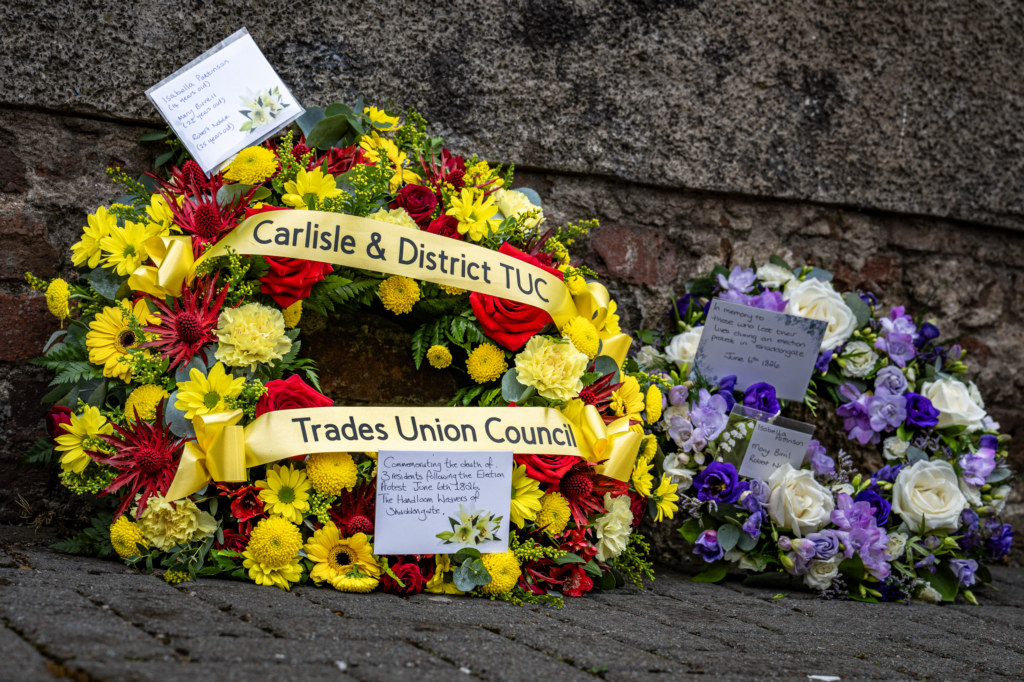
The event was organised by the Weavers Uprising Bicentennial Committee, RMT Union and the Effectiveness Committee.