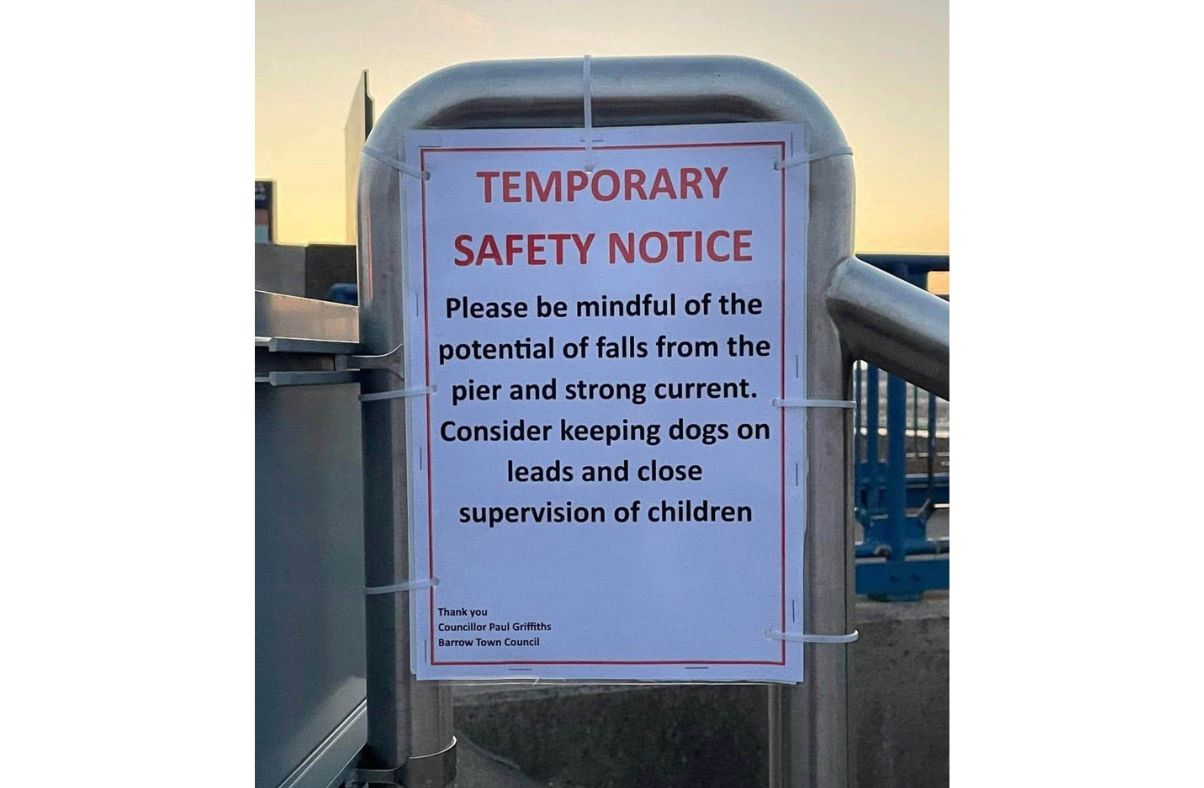
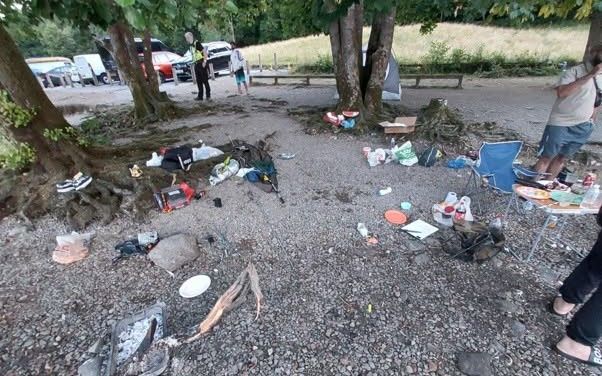
Peak season in the Lake District has started and with that comes the risk of fly-camping, excessive littering and fires.
The national park draws in millions of visitors every year and outdoor anti-social behaviour can damage habitats, harm wildlife, increase wildfire risk and often leaves local people cleaning up and facing the aftermath.
Public Space Protection Orders are in place across most of the national park which give council officers the power to hand out £100 fines to people behaving anti-socially in outdoor spaces.
Some of the orders have been in place since 2024 while several were newly introduced earlier this year.
While multi-agency joint patrols and police patrols to tackle outdoor anti-social behaviour do take place – people have been urged to report incidents of fly-camping, littering and fires in the Lakes.
David Allen, Cumbria’s police, fire and crime commissioner, is chair of the Strategic Visitor Management Group, a team dedicated to tackling anti-social behaviour in the Lake District.
We spoke with Mr Allen earlier this year, who said the group is urging people to report and incidents to help the team track and target outdoor anti-social behaviour hotspots.
Reports do not always result in an immediate response and Mr Allen said the Strategic Visitor Management Group is looking into ways to change that.
He added that if people come across poor parking that blocks a road, they should call the police on 101, who can help clear the road.
But how do you actually report an incident? What incidents are investigated under the PSPO? And how does it all work?
How do I report anti-social behaviour in Cumberland?
Cumberland council said it will investigate incidents where there is likely to be damage to the environment or antisocial behaviour.
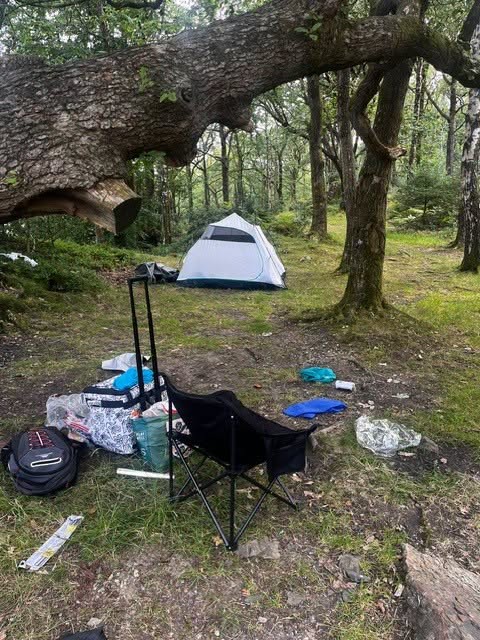
It said it will investigate any wild or fly-camping that involves:
- Damage to the landscape, for example open fires
- Large amounts of litter
- Aggressive or drunken behaviour
- Large groups of people
- Noise disturbance, such as loud music
It said it will not investigate where there is no anti-social behaviour or environmental harm being caused. This includes:
- Single tents
- Wheeled vehicles, such as motorhomes, parked at the roadside
Outdoor anti-social behaviour that meets this criteria, can be reported online via Cumberland Council’s portal here.
The portal will take you through a series of questions to establish whether or not the council will investigate the incident.
You can also report incidents via email here: [email protected]
You will need the following to report an issue:
- The location of the problem, you can either plot the location, use the closest postcode or what3words
- Photographs or supporting documents (if you have any)
If anyone is injured, or there is immediate danger or risk to public safety call, always call 999.
If you witness illegal activity such as anti-social behaviour, damage to property, theft, or trespassing in restricted areas or Sites of Special Scientific Interest, contact Cumbria Police on 101.
How do I report anti-social behaviour in Westmorland and Furness?
In Westmorland and Furness, anti-social behaviour incidents can only be reported via email.
Reports can be submitted to Westmorland and Furness Council by emailing [email protected].
The council said it will take action when there is clear evidence of anti-social behaviour in affected areas.
To help provide evidence, people are encouraged to safely take photos of the incident and record vehicle number plates where possible.
The council said the person reporting the incident must be prepared to provide a formal witness statement and attend court if the case is escalated, or the case cannot be pursed.
The council said it will continue to take a targeted, evidence-based approach to introducing PSPOs ensuring those introduced are lawful.
If anyone is injured, or there is immediate danger or risk to public safety call, always call 999.
If you witness illegal activity such as anti-social behaviour, damage to property, theft, or trespassing in restricted areas or Sites of Special Scientific Interest, contact Cumbria Police on 101.
Okay, but what is fly-camping? Why are campfires not allowed? Won’t somebody just pick my litter up?
If you don’t follow the rules of wild camping and your planned pitch is not above the highest fell wall, which is around 400 metres in elevation – it is then considered fly-camping.
According to the Lake District National Park and National Trust, camping in valleys, by lakeshores or by any lowland areas, unless it is in an official campsite, is fly-camping.
While wild camping’s ethos is all about being discreet, respecting the landscape and leaving no trace, fly-camping is often described as more destructive and can involve anti-social behaviour.
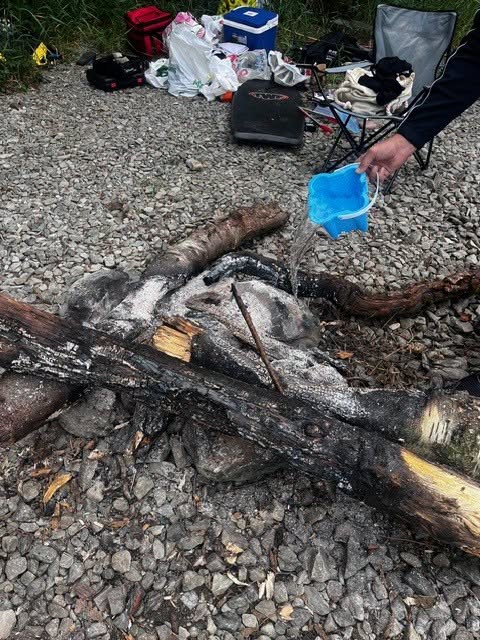
Lighting campfires or temporary barbecues on the ground, behaving anti-socially, getting drunk or using drugs, leaving items and litter behind, chopping down branches or trees for fires or camping in large groups are all behaviours commonly associated with fly-camping.
You can read more about what fly-camping is and why it is not allowed here.
People are asked to take all rubbish home with them if bins are full and never leave waste in the countryside as unlike public parks or festival sites, there is no regular clean up team disposing of litter in the national park.
While things like orange peel, apple cores and nut shells might seem okay to toss, they can cause issues if eaten by livestock and take some time to break down.
At high elevations, colder temperatures can also ‘preserve’ these waste items, meaning they take even longer to break down.
You can read more about leaving no trace here.
Campfires can be particularly dangerous in the Lake District, as many beauty spots have peat soil, which if set alight, could result in a campfire turning into a serious underground fire or wildfire.
Fires are widely not permitted across the national park.
How do I report a wildfire?
Cumbria Fire & Rescue Service has issued the following tips on how to help reduce wildfire risk.
- Avoid naked flames, open fires or using barbecues in the countryside.
- Barbecues and campfires are banned in many country parks, campsites and open spaces. Make sure you check what is and isn’t allowed where you are and follow the rules.
- Avoid lighting campfires in the countryside – never leave them unattended and make sure they are extinguished fully.
- Extinguish smoking materials properly, and don’t throw cigarette ends on the ground or out of car windows – take your litter home.
- If you see a fire in the countryside, report it immediately to Cumbria Fire & Rescue Service via 999.
- Early detection can prevent it from developing into a large wildfire incident. Know where you are – apps like What3Words can help with this.
- Please take care when parking vehicles to leave access roads, tracks and gates clear, and avoid parking on dry vegetation.
If you do see a fire, always move to safety and call 999.
Do not attempt to tackle the fire yourself as wildfires can spread rapidly and become very dangerous.